Assignment 01-2D patterning Nima Luorong

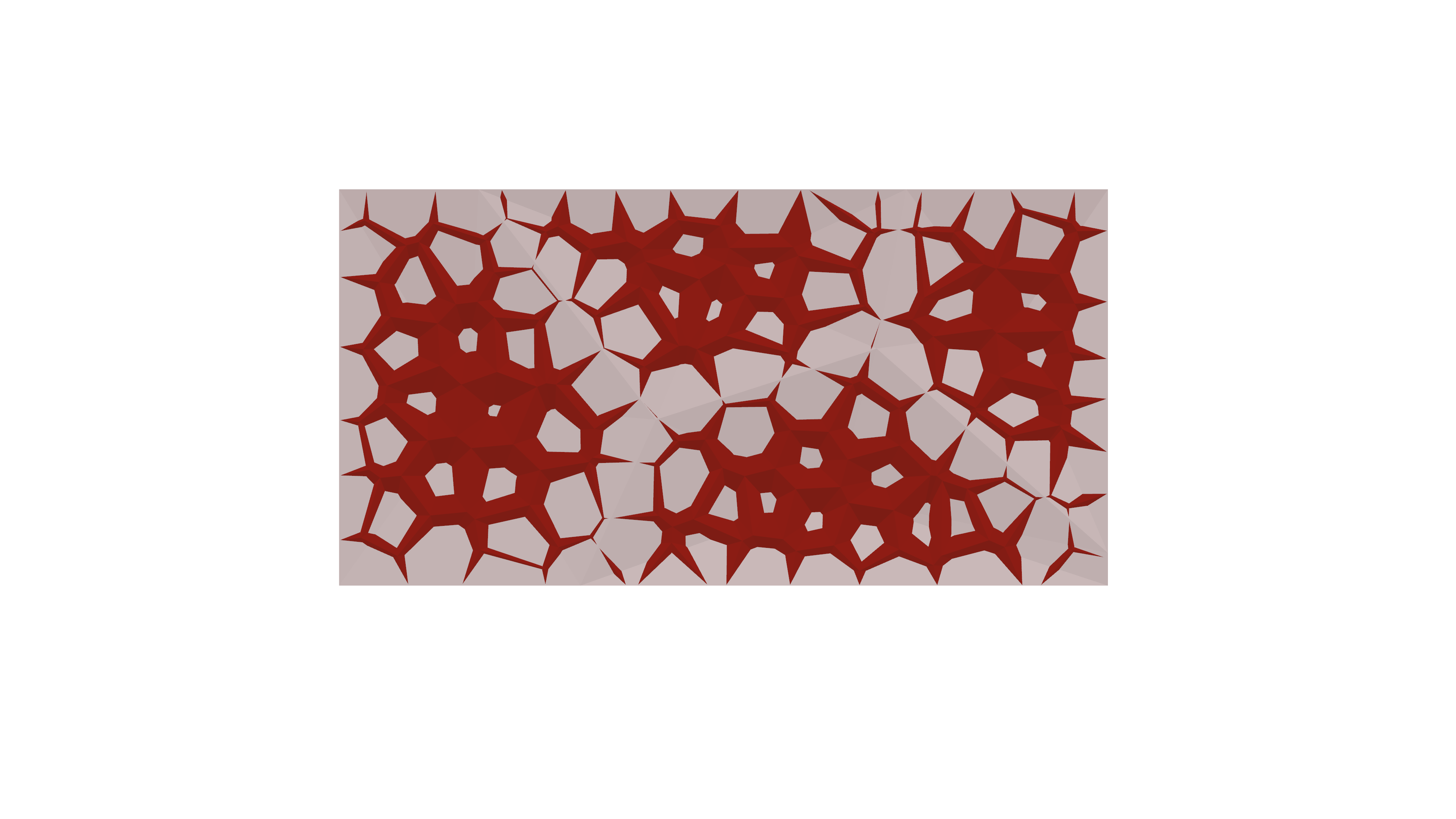
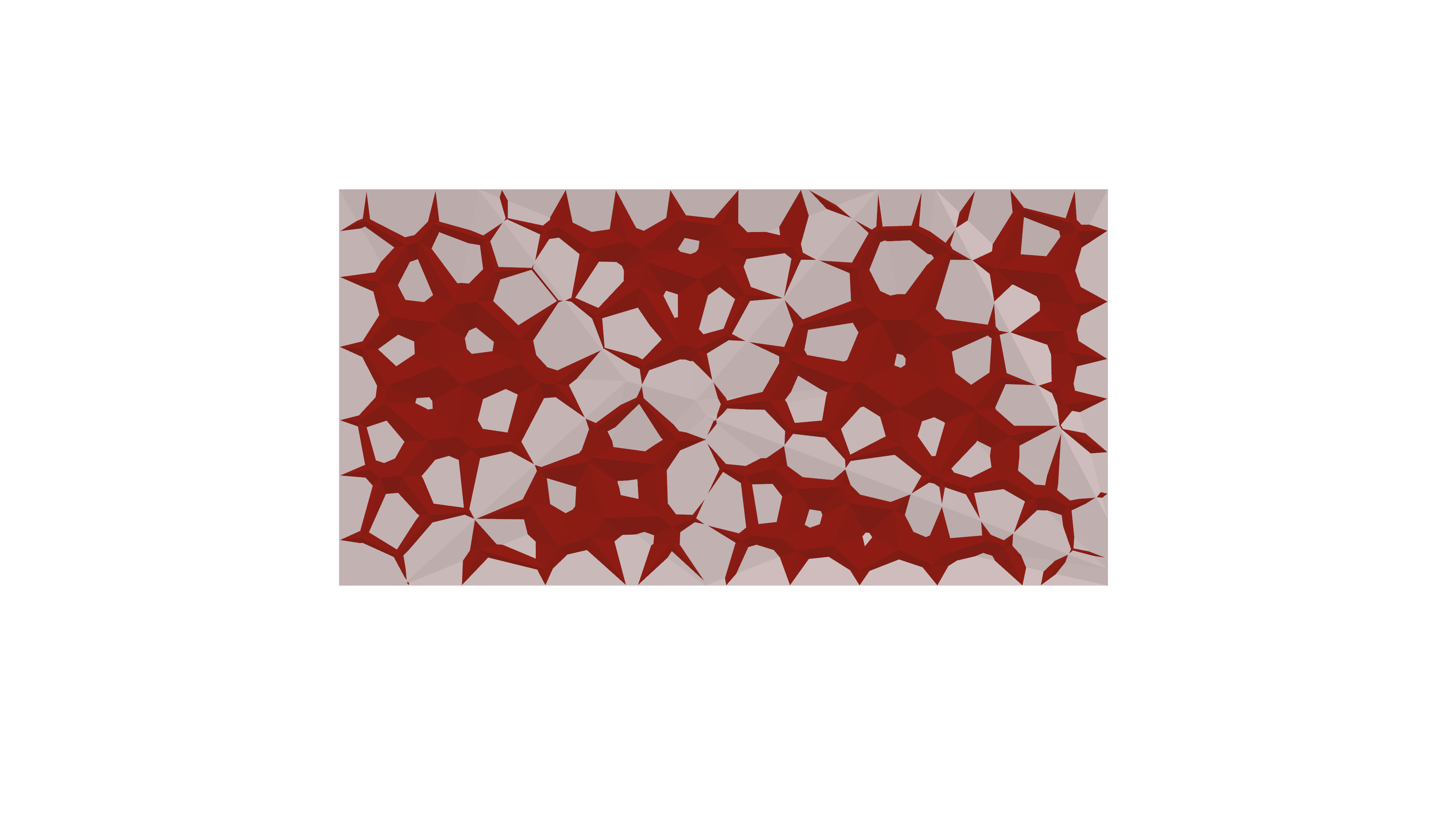
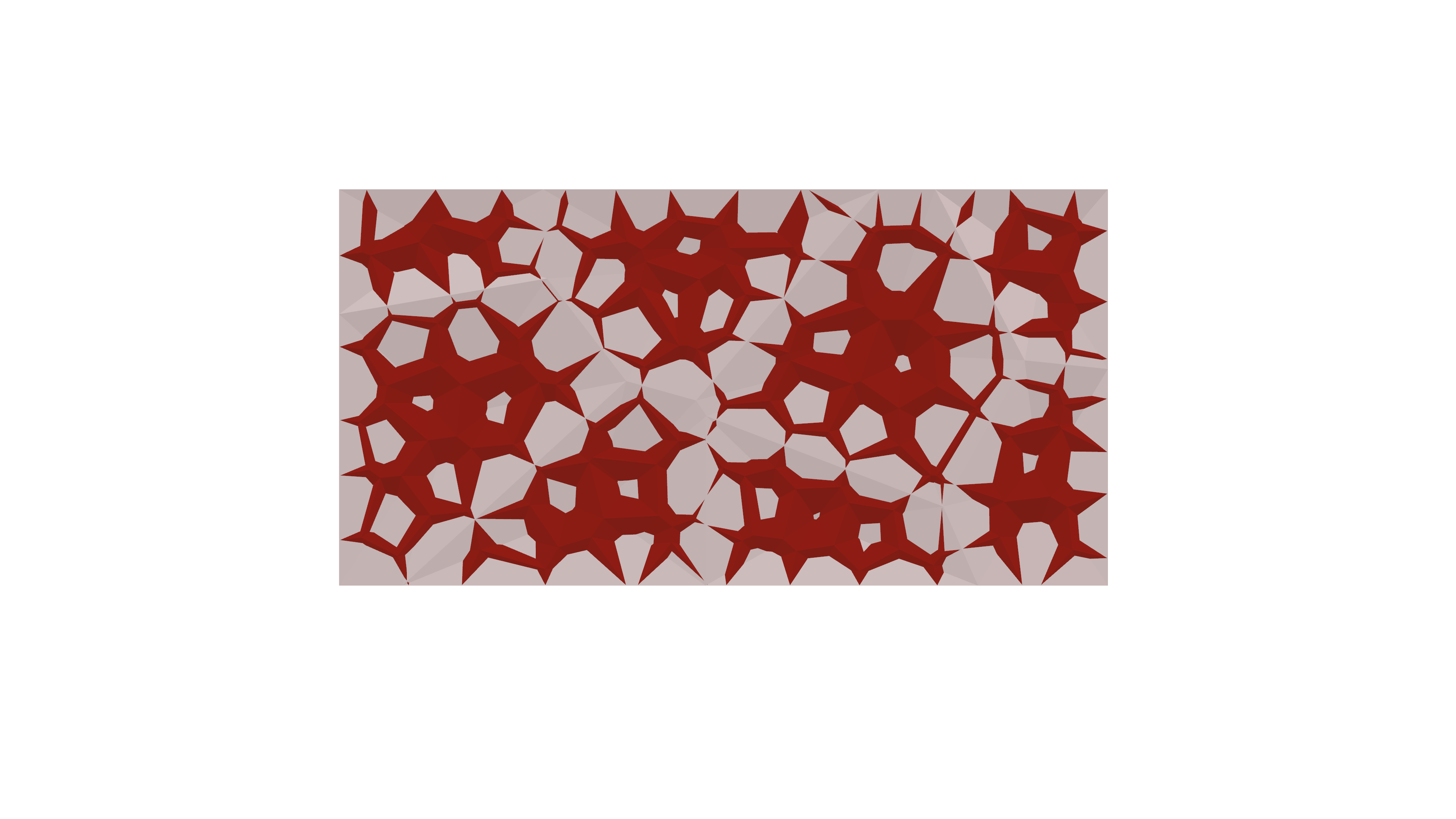
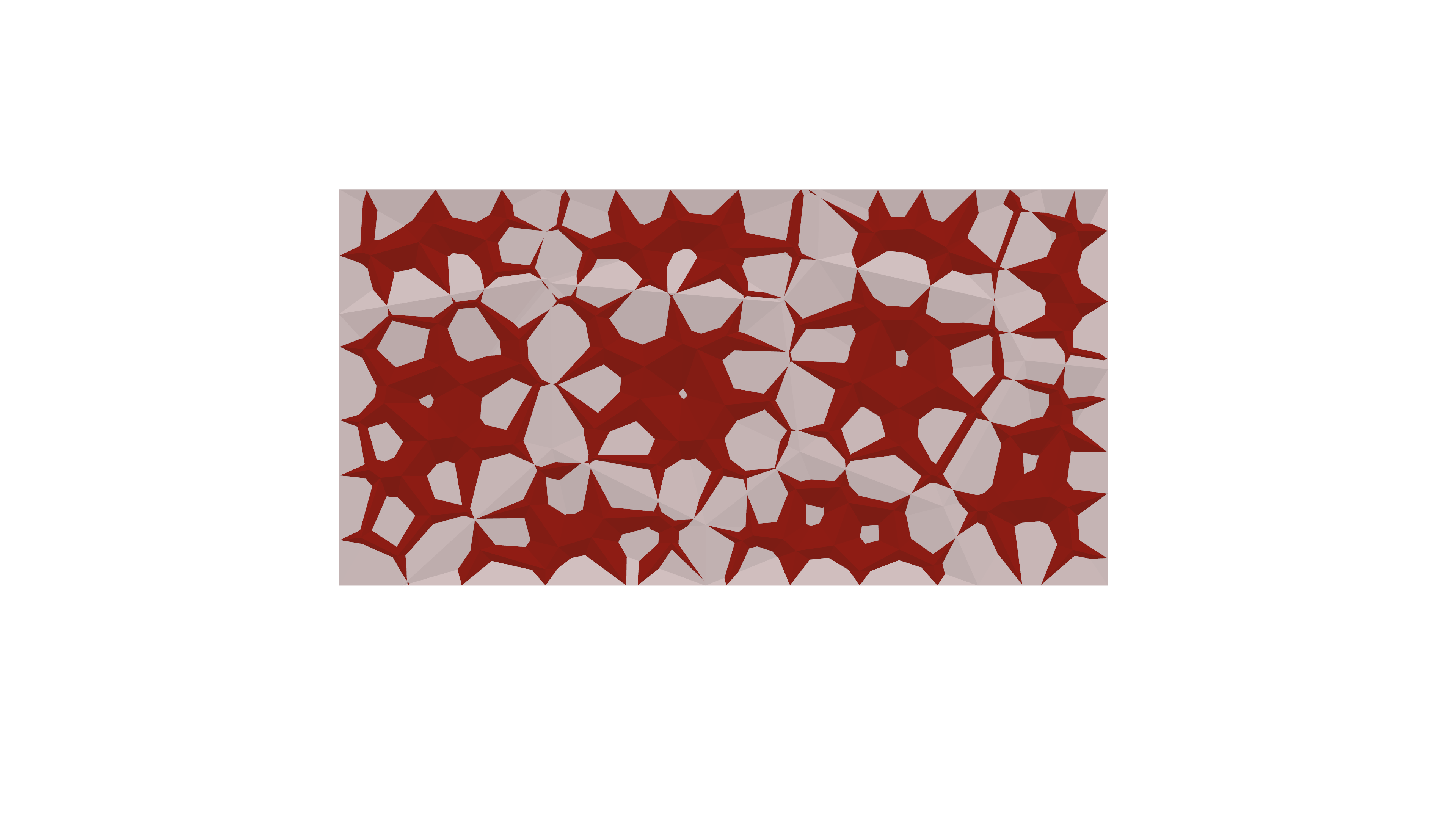
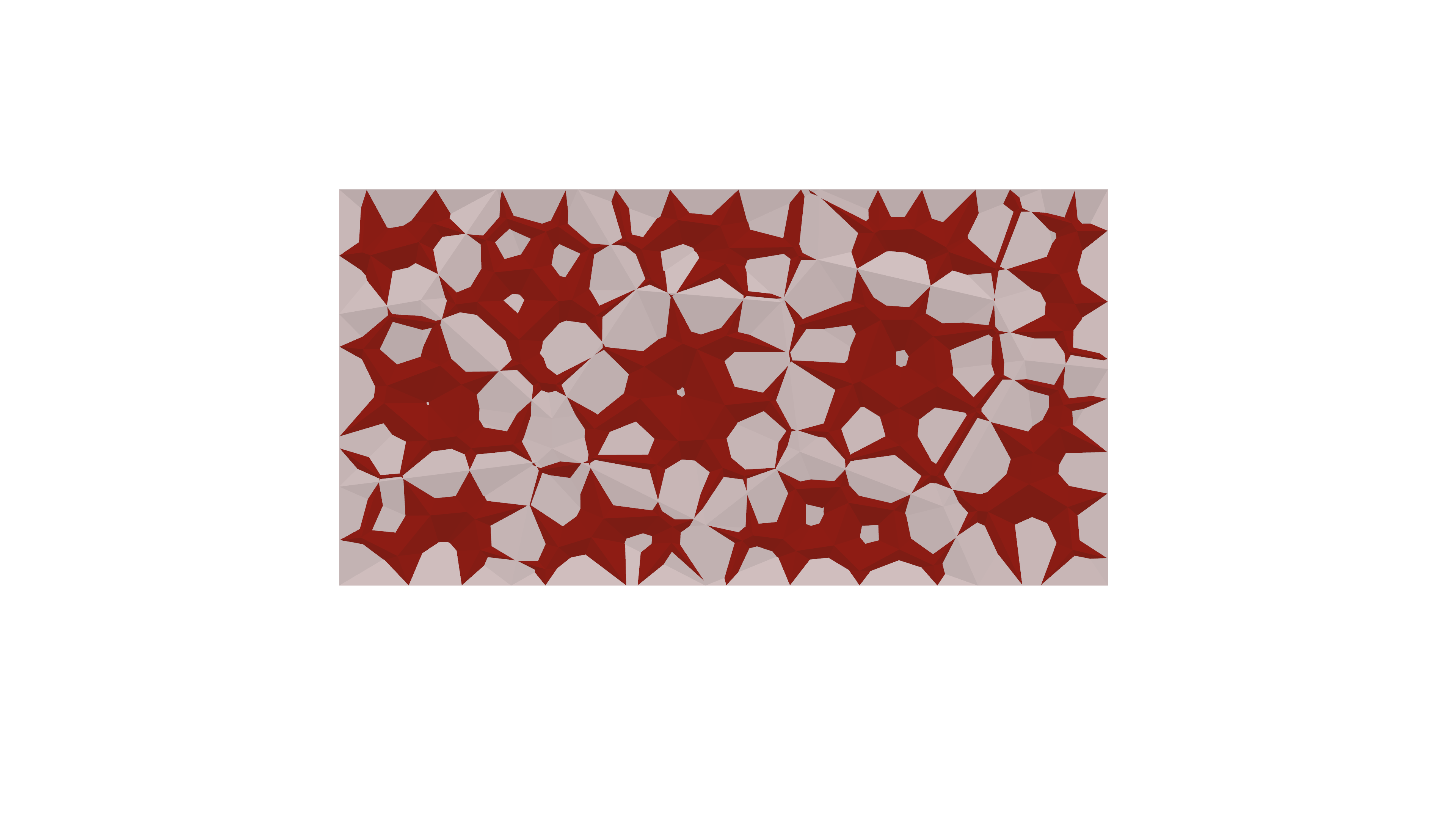
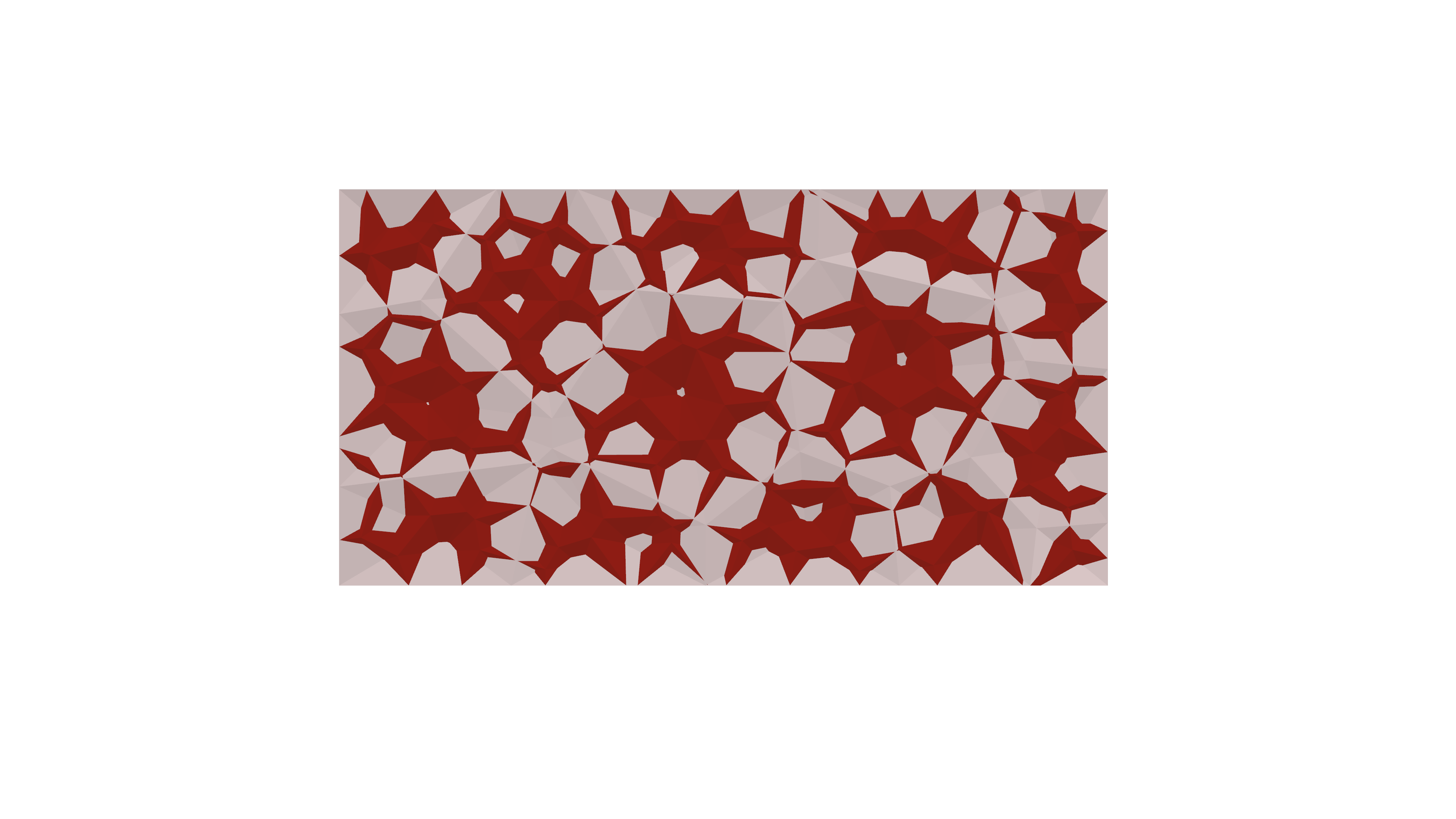
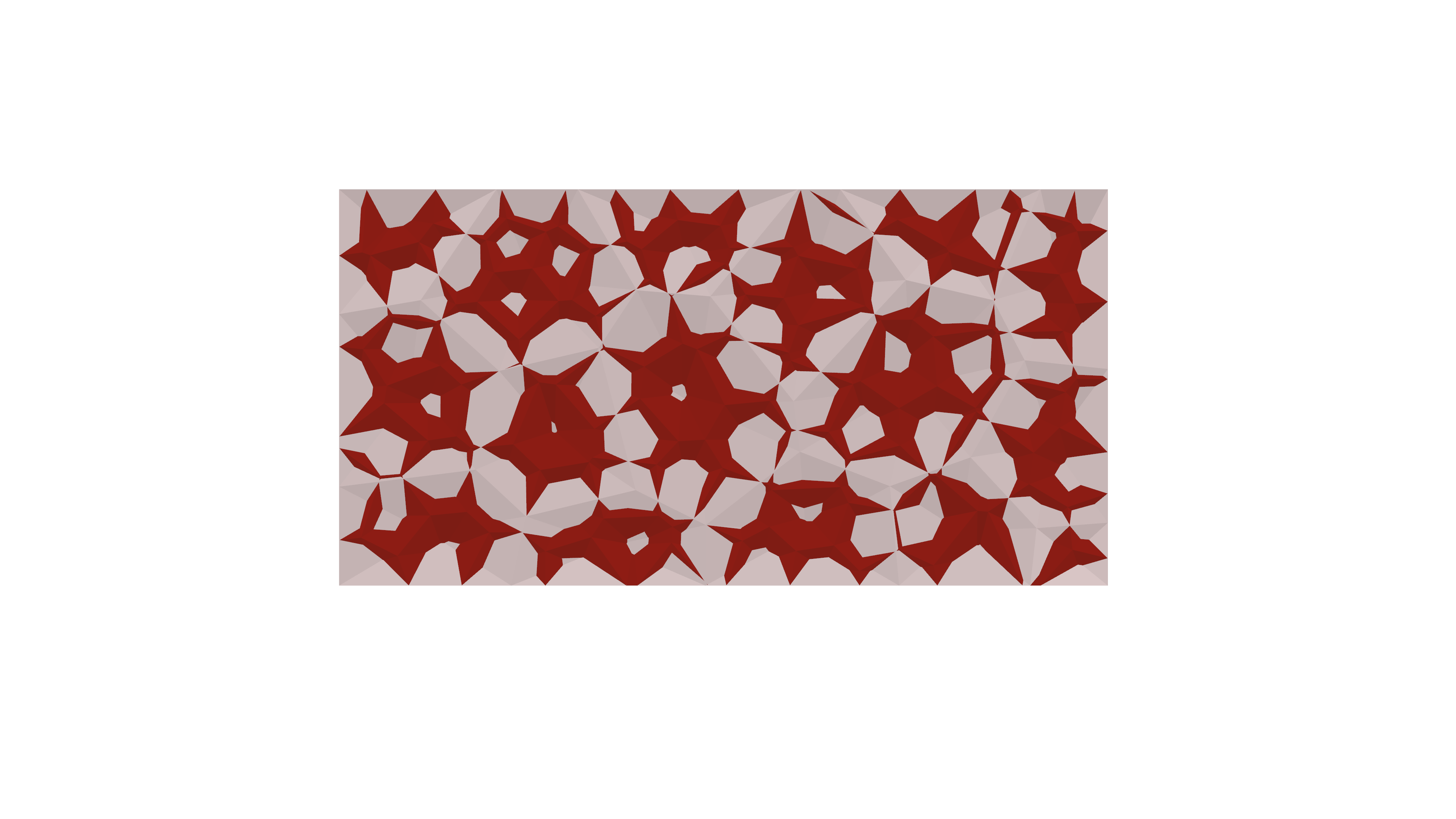
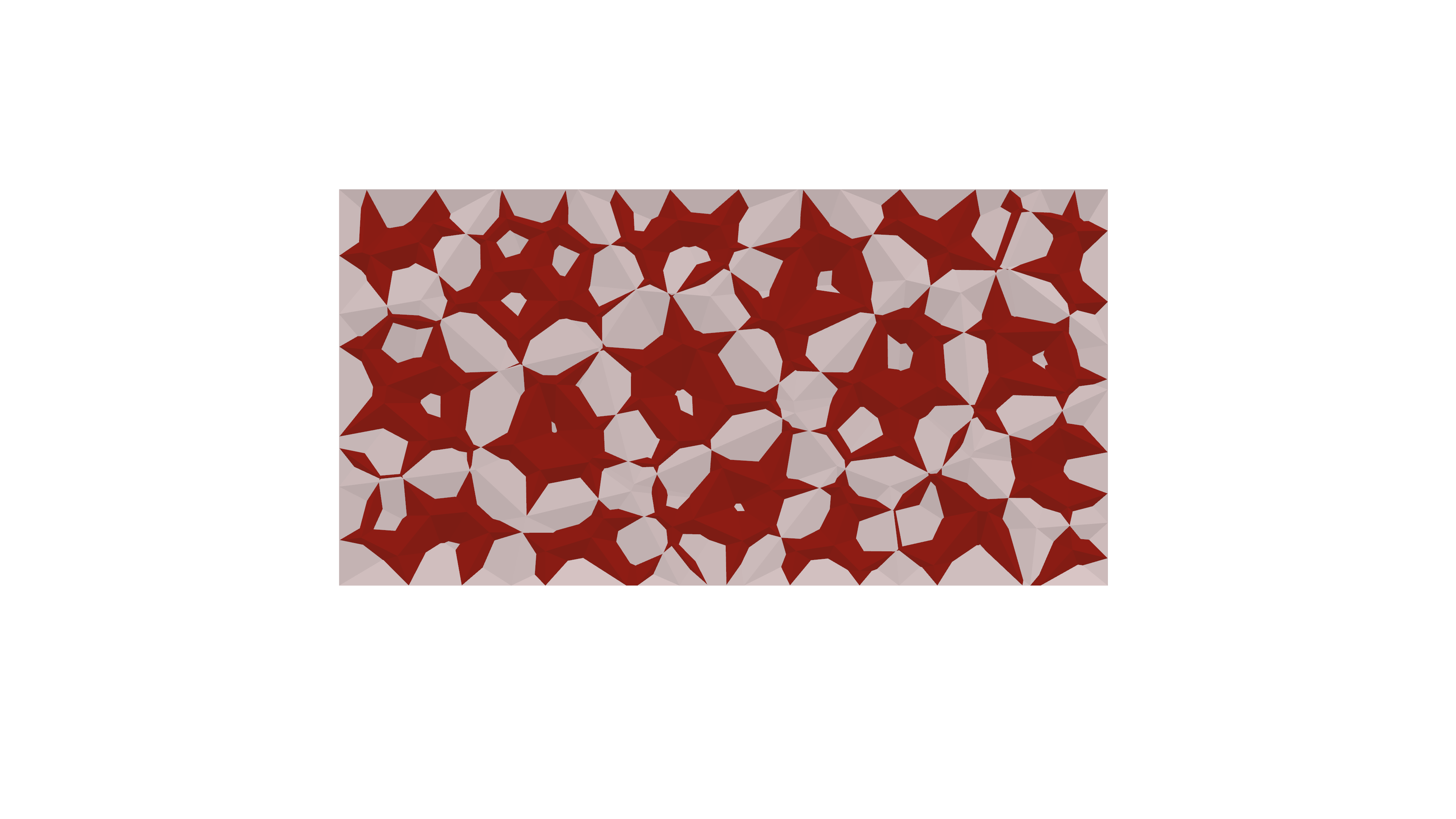
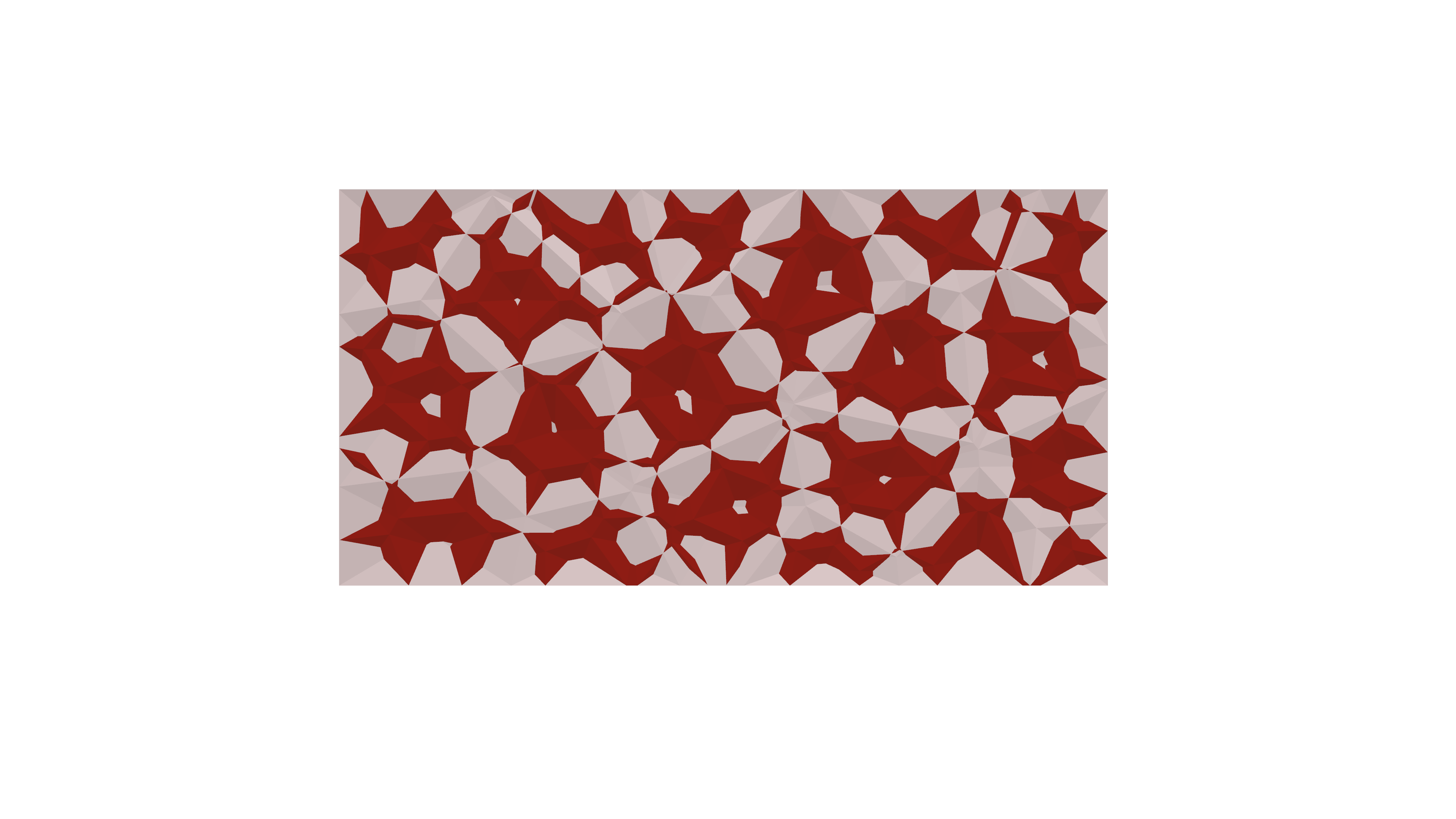
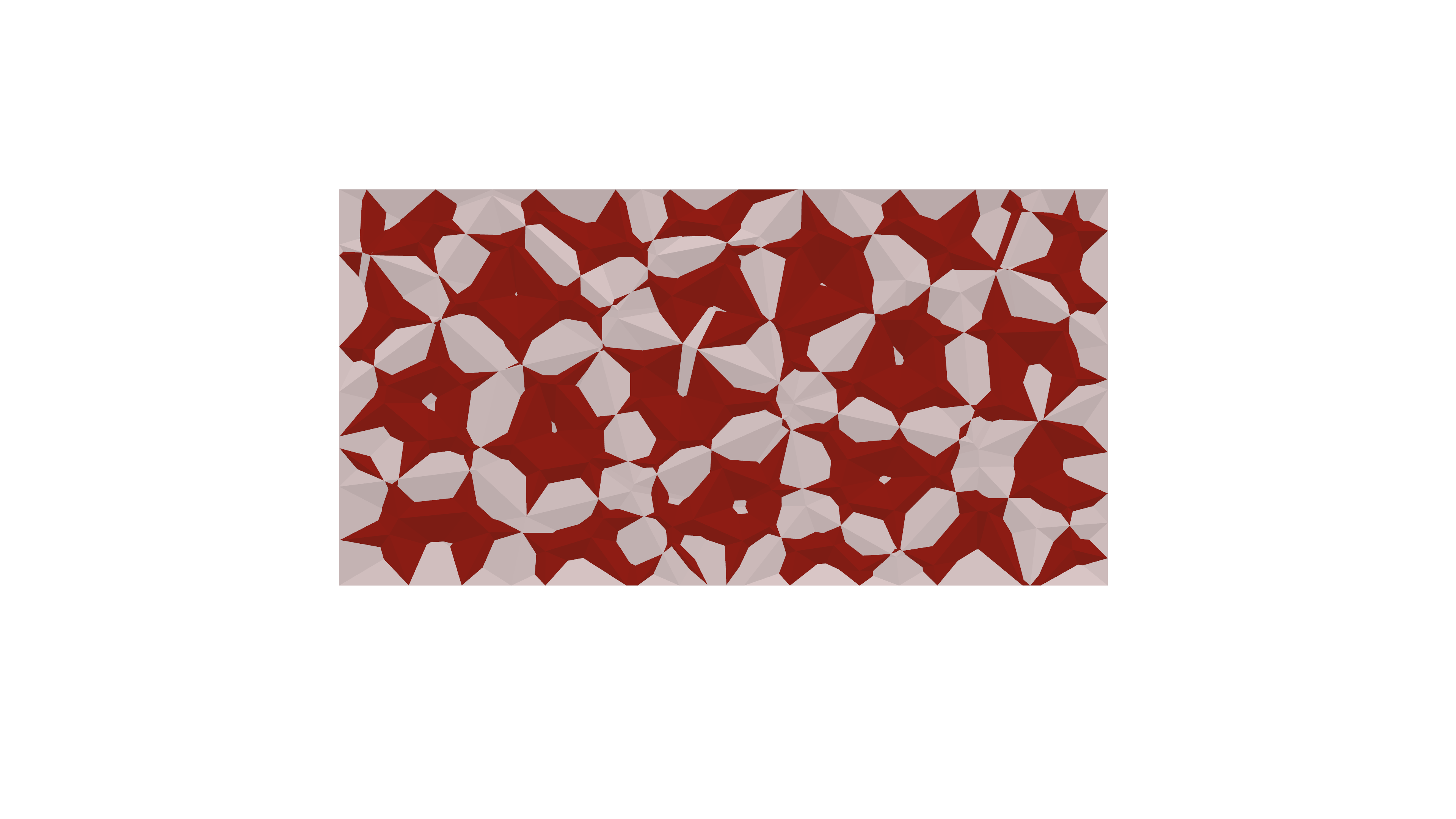
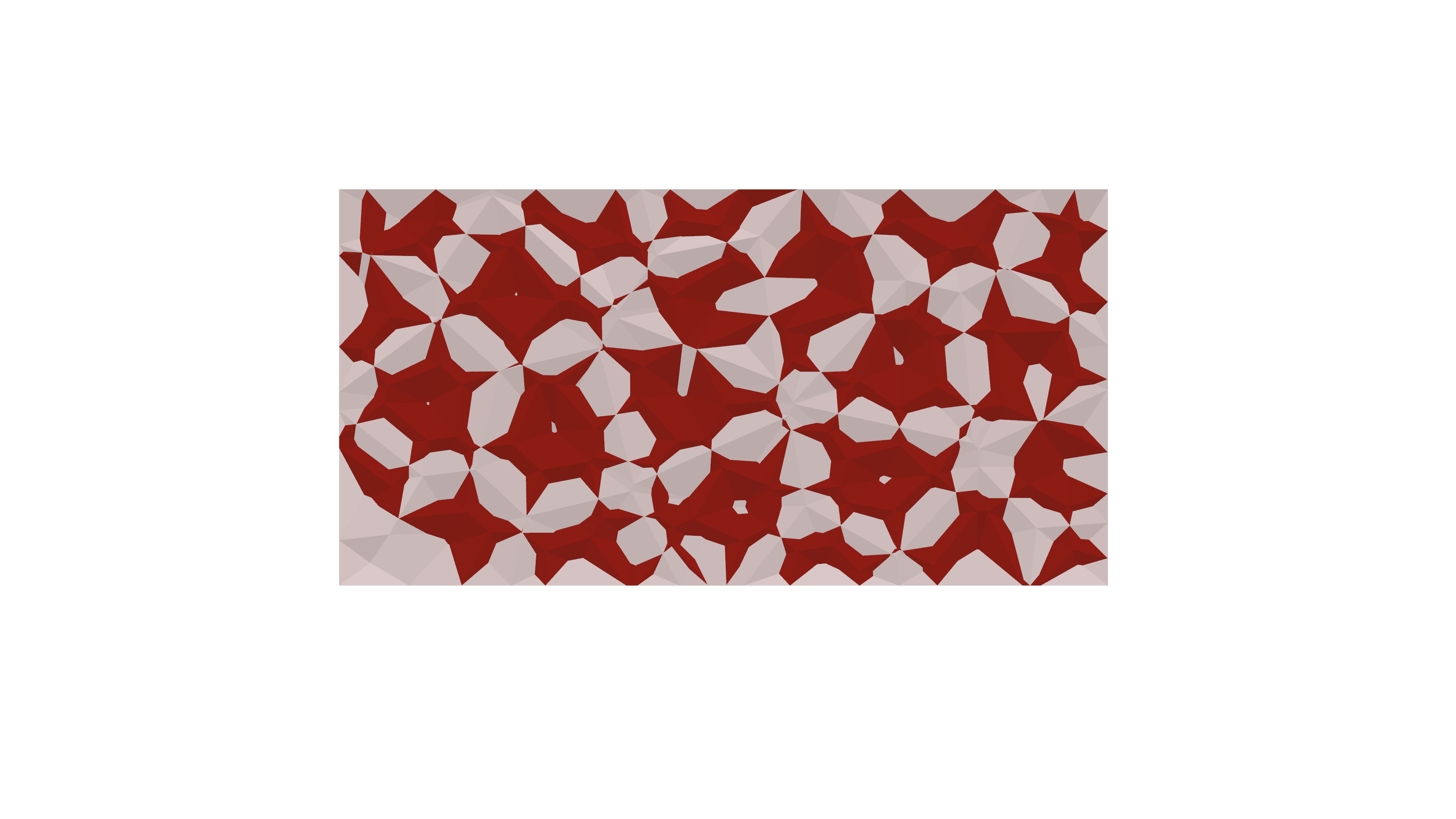
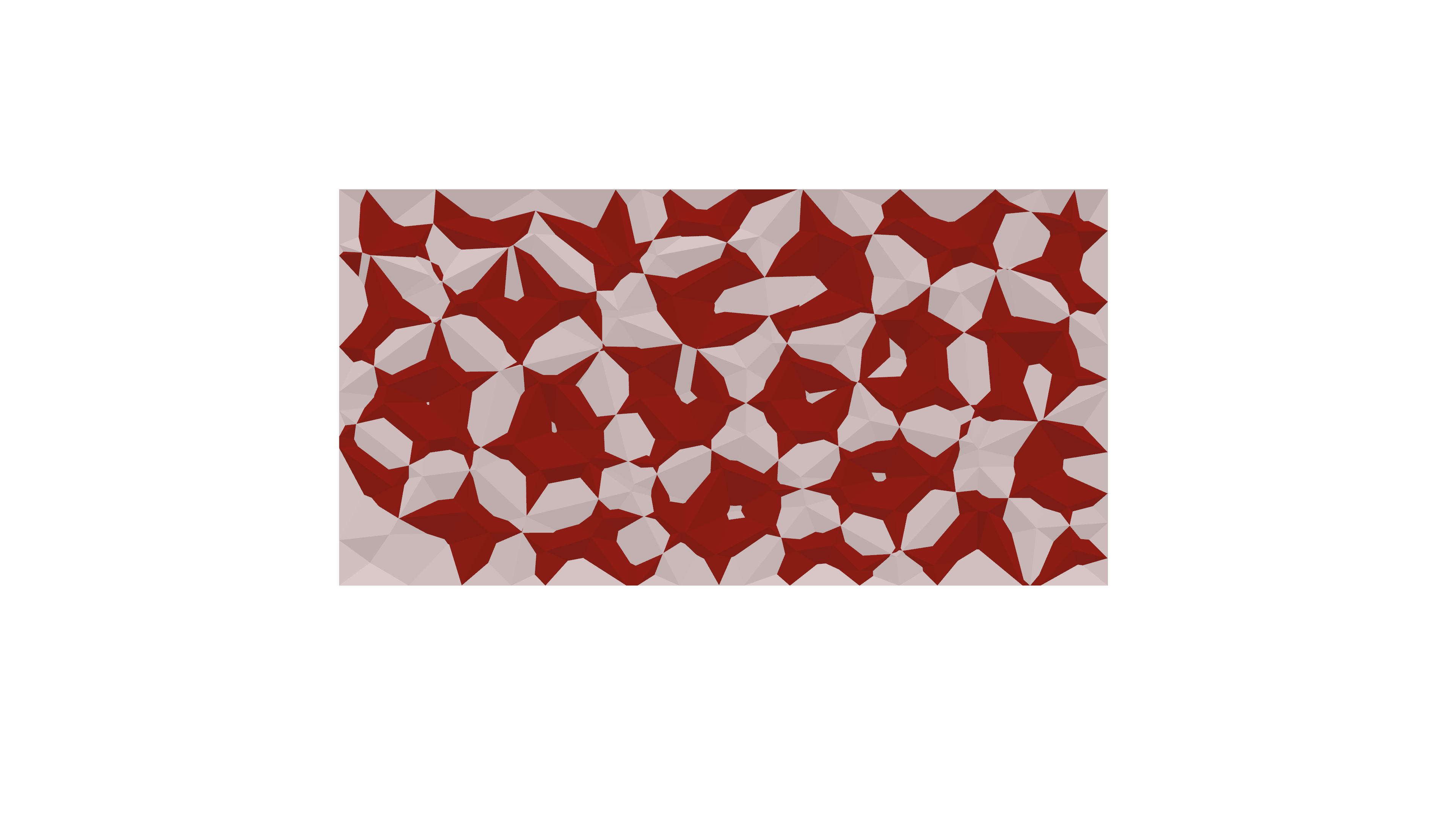
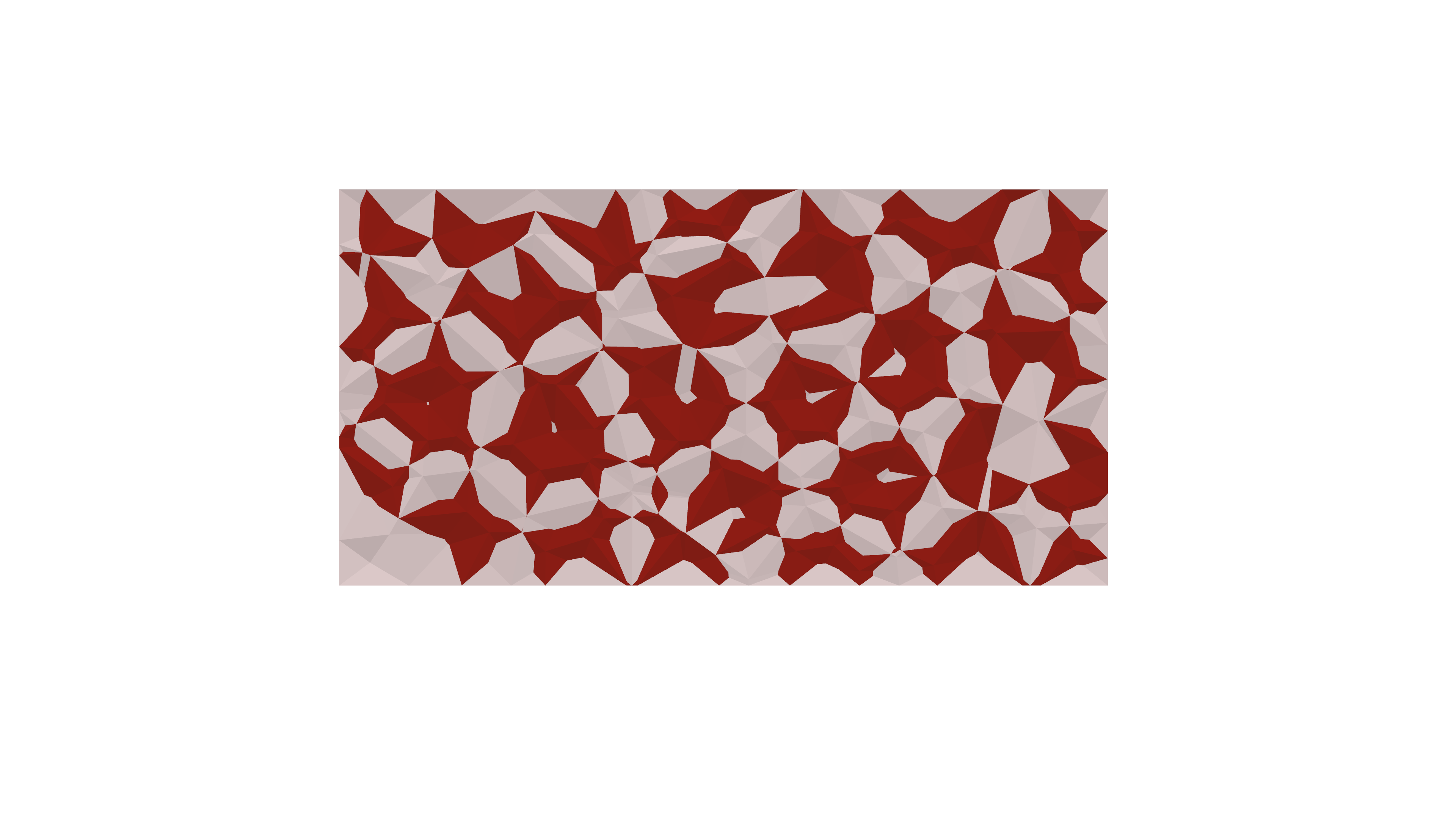
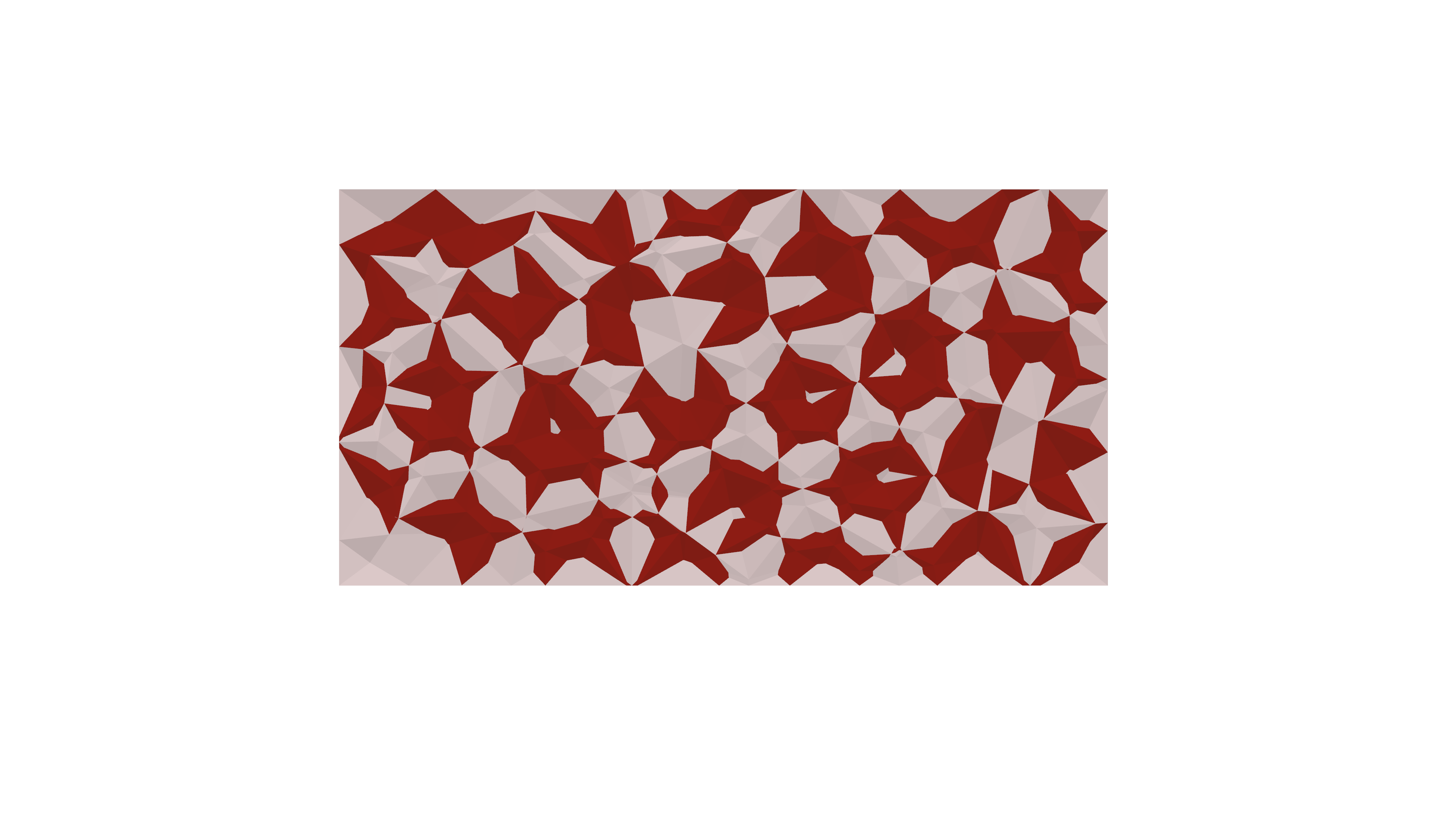
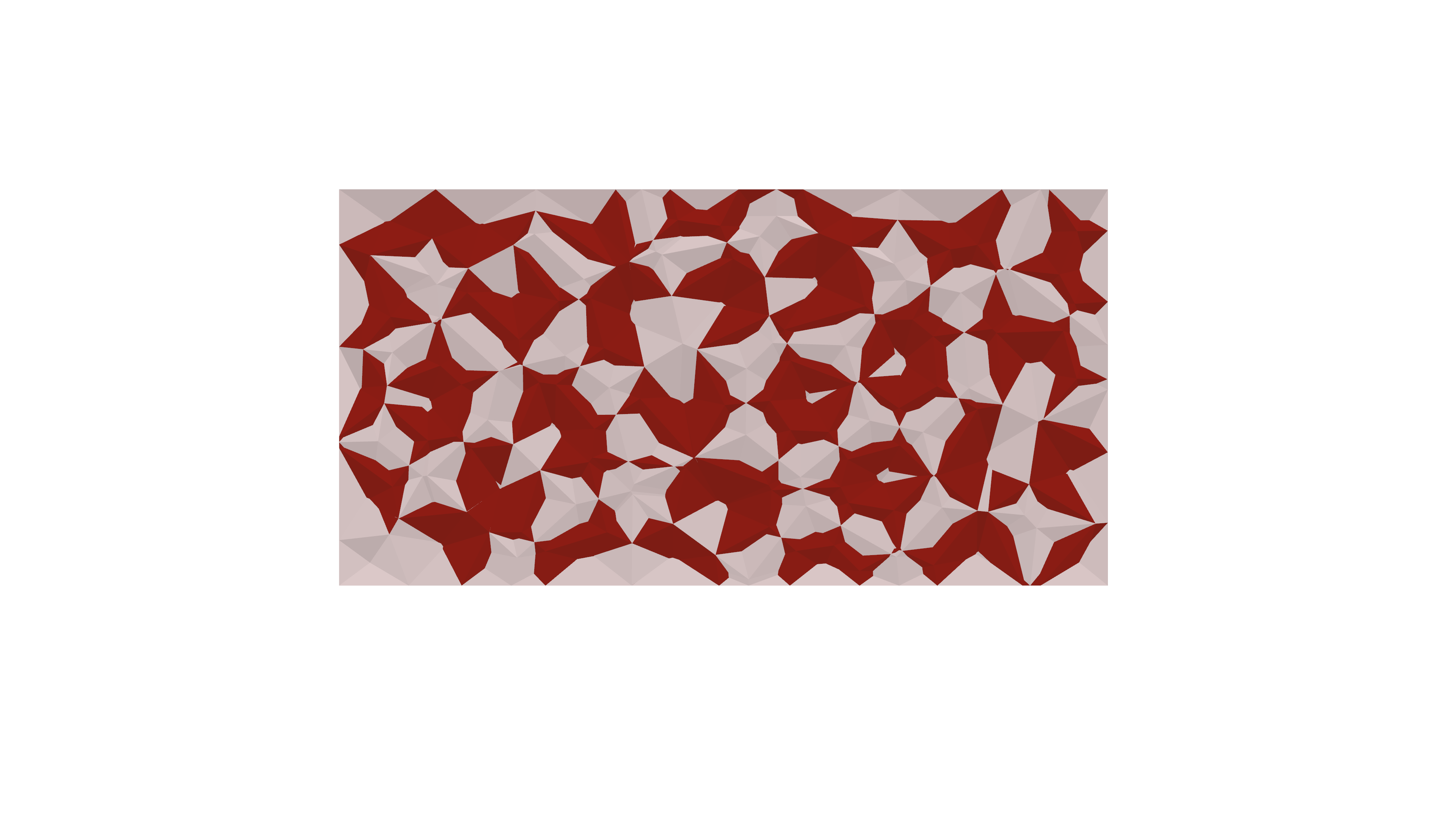
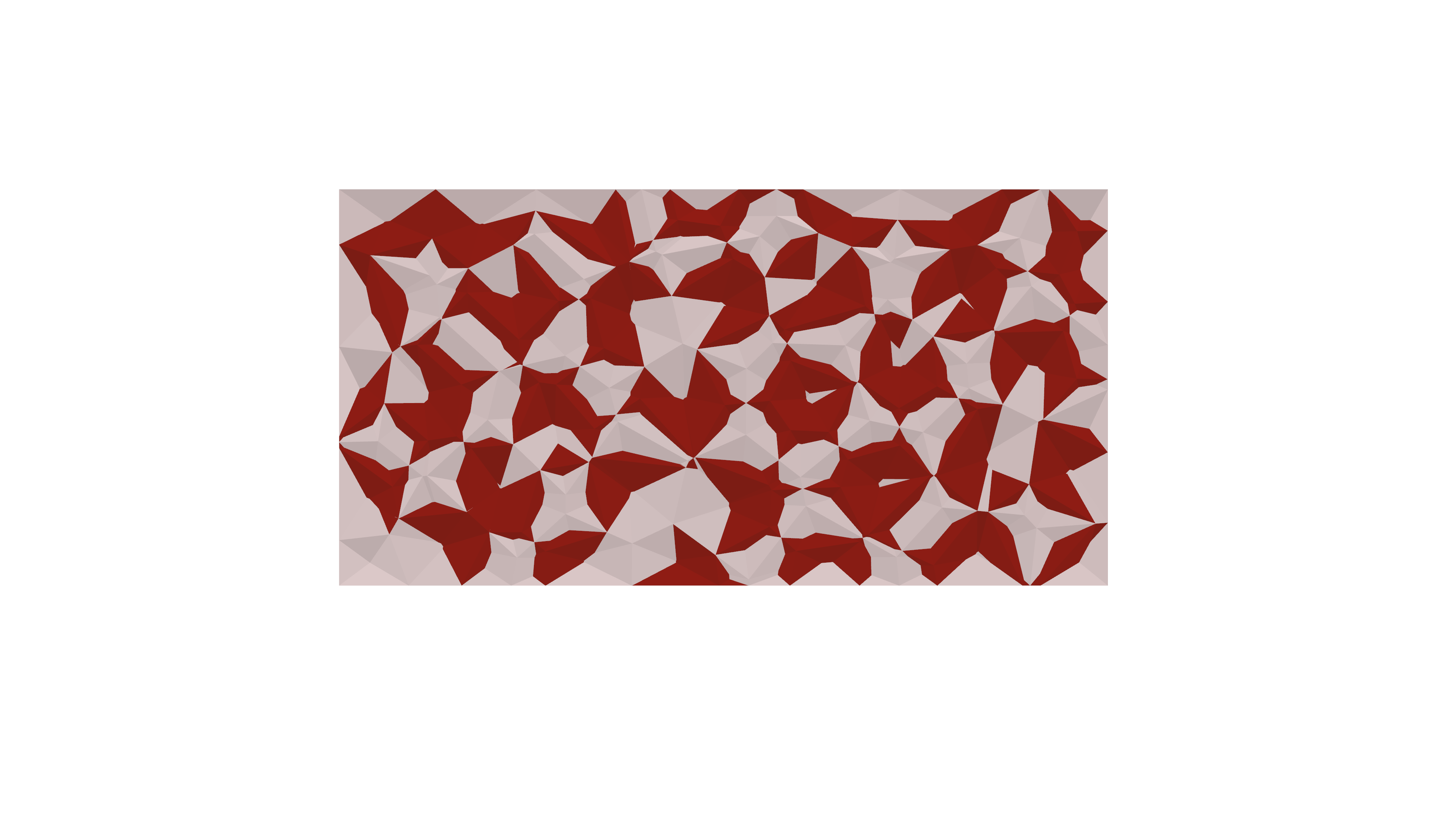
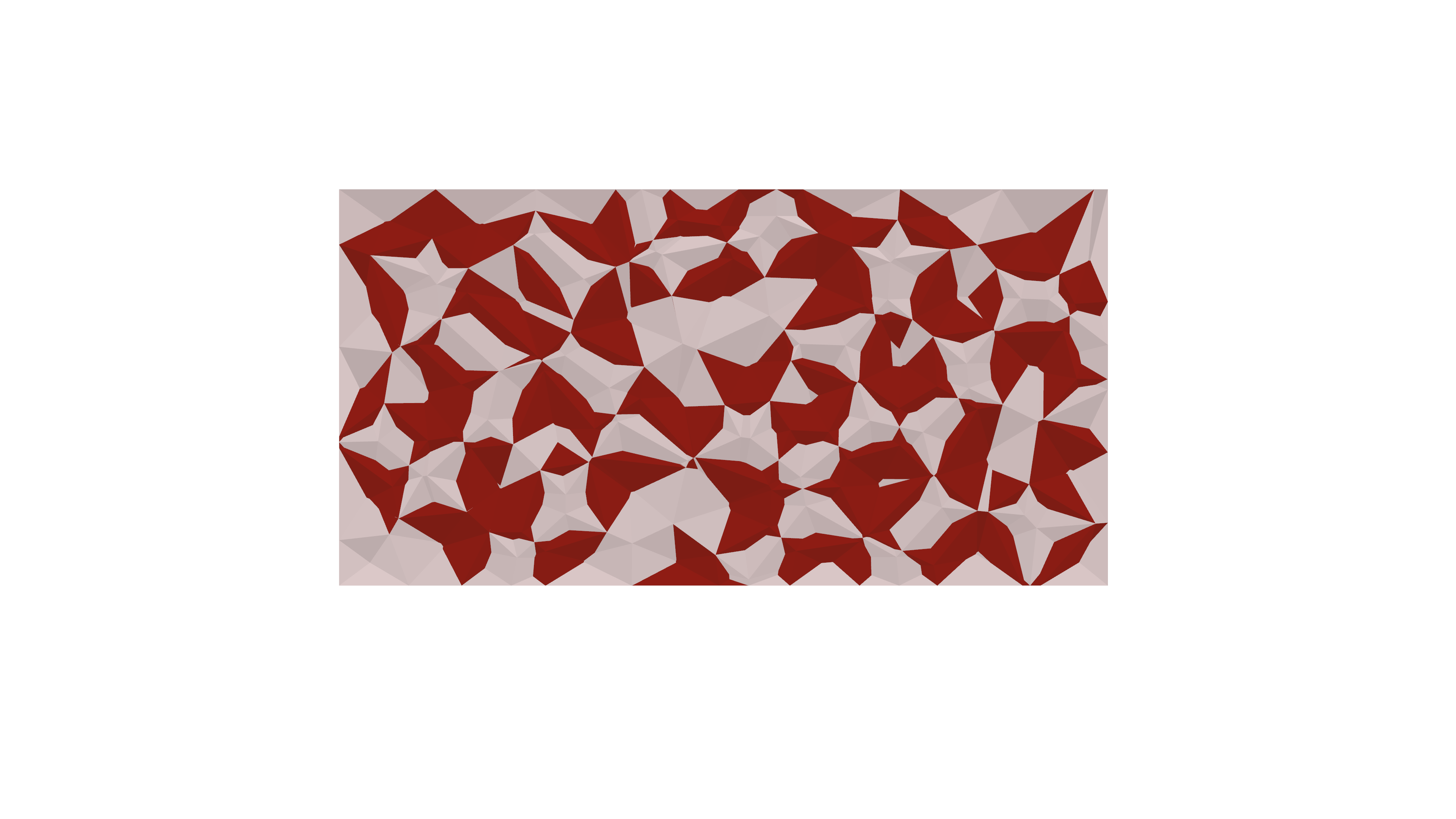
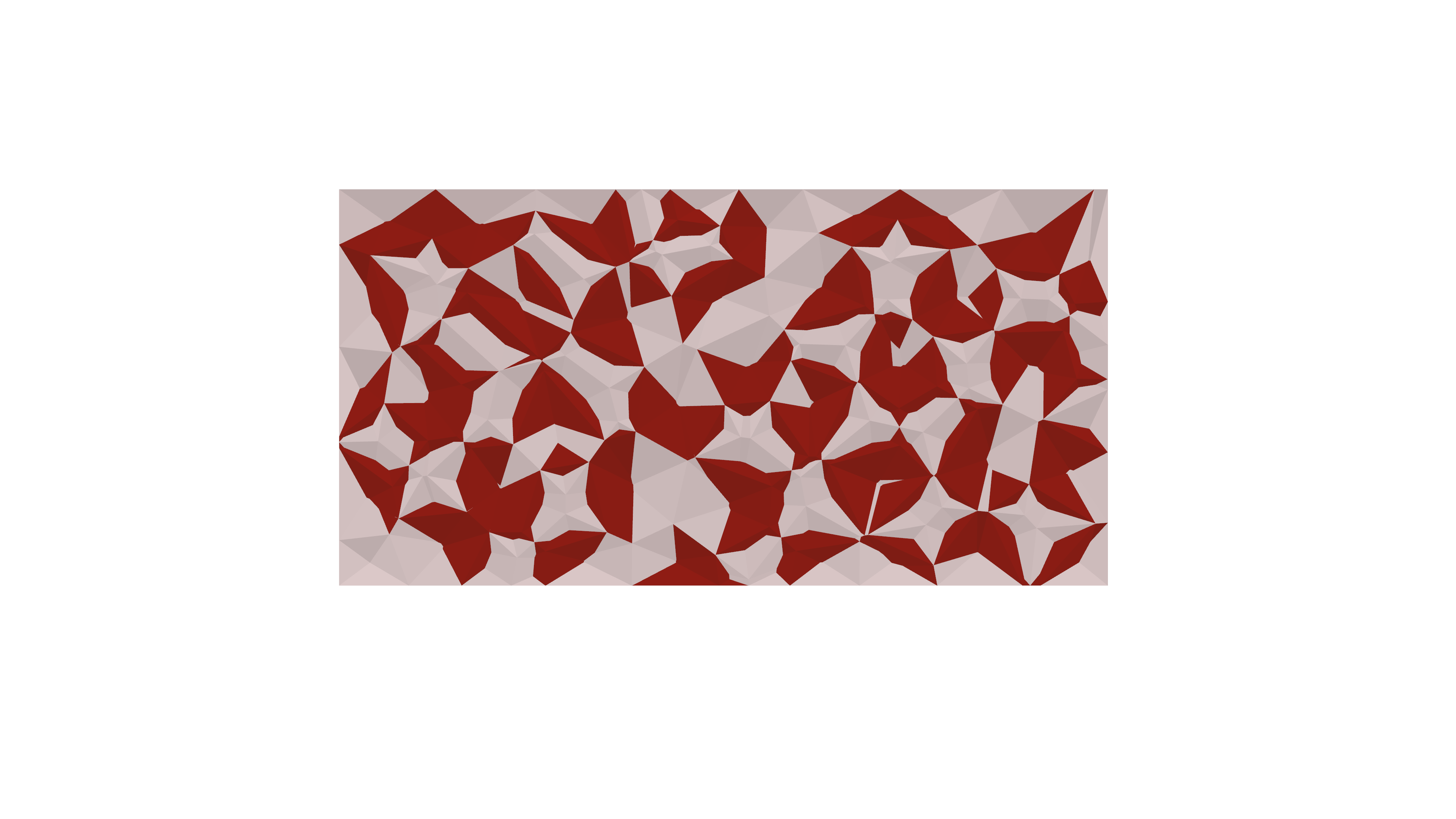
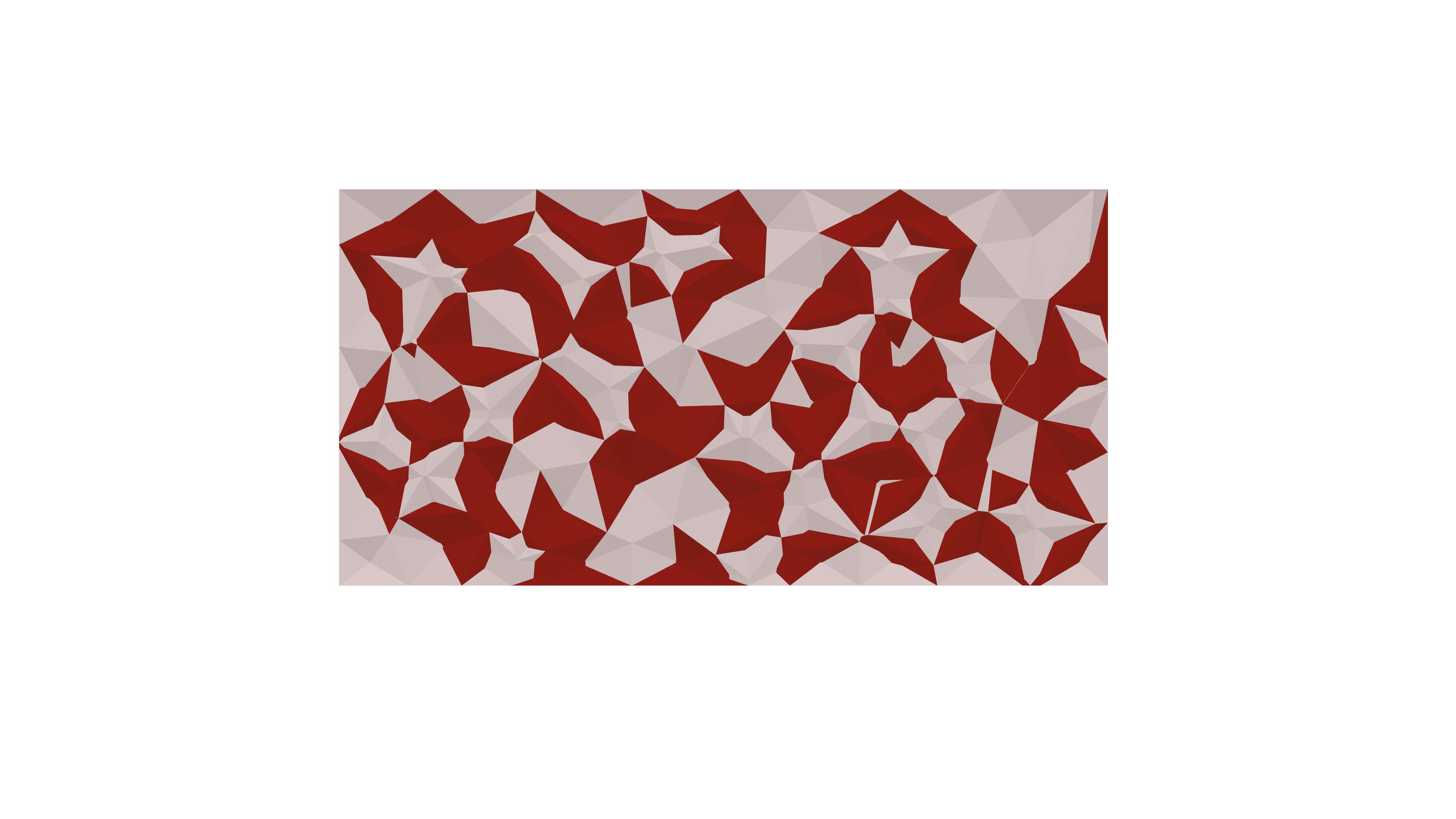
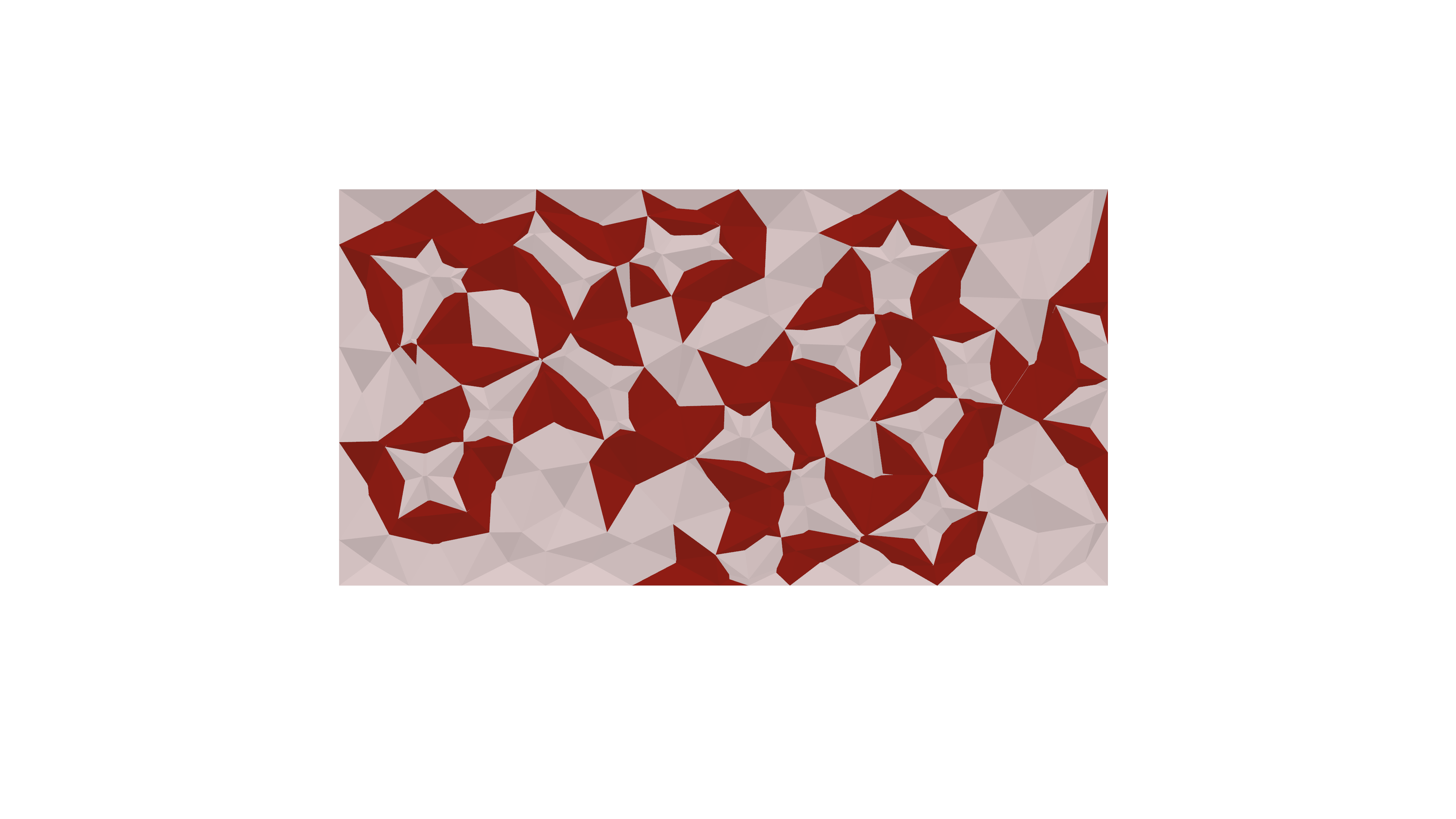
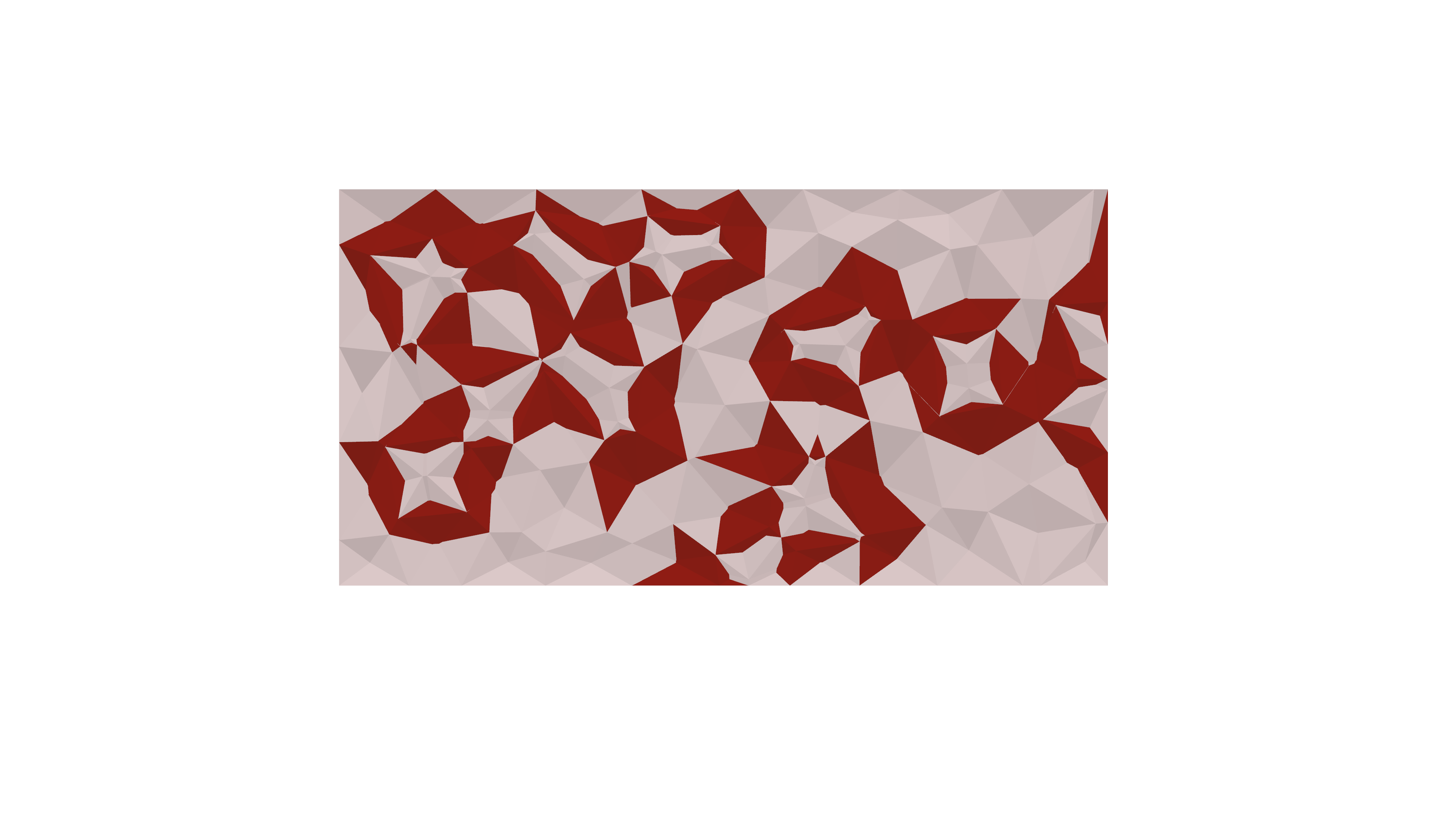
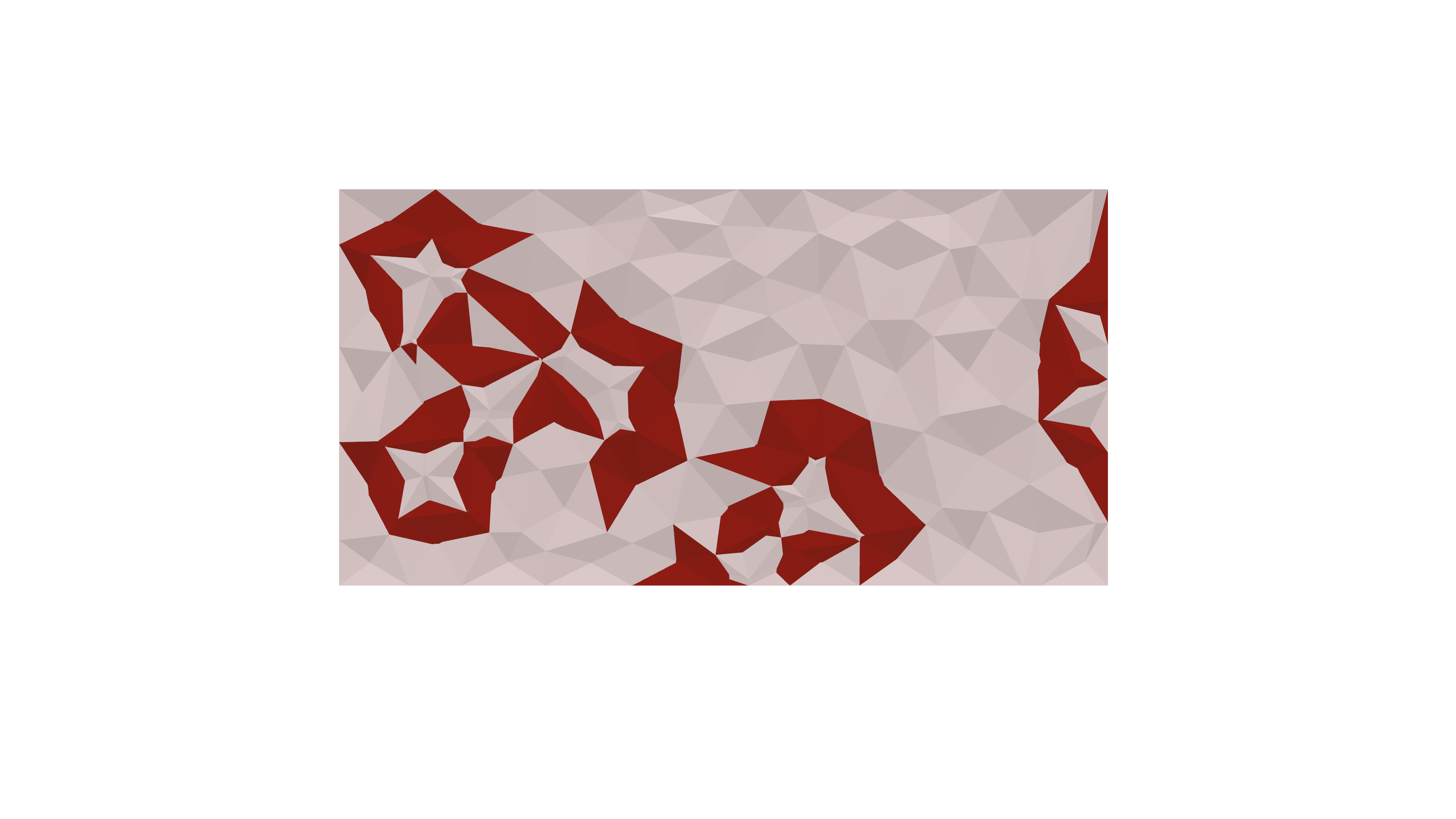
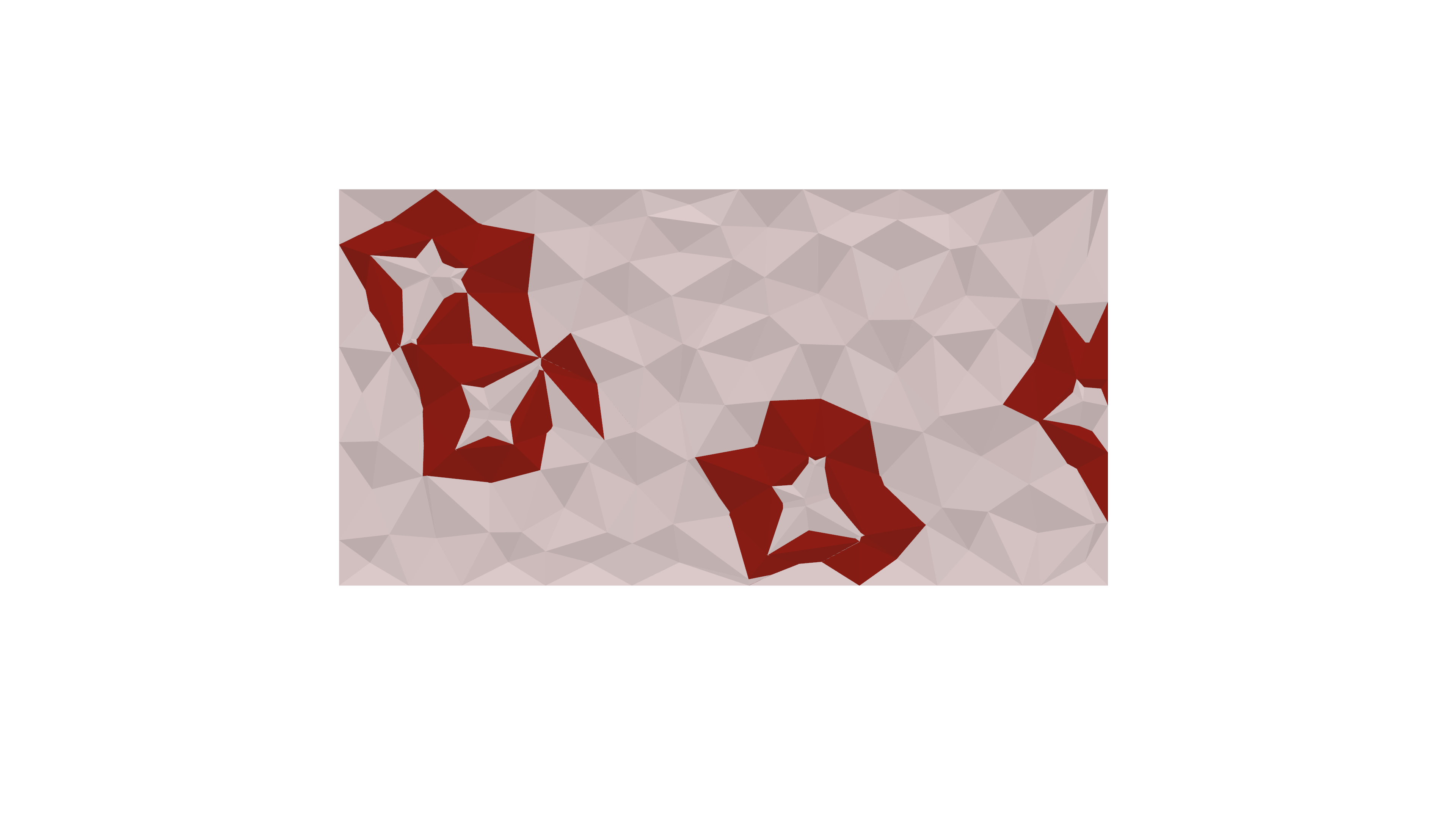
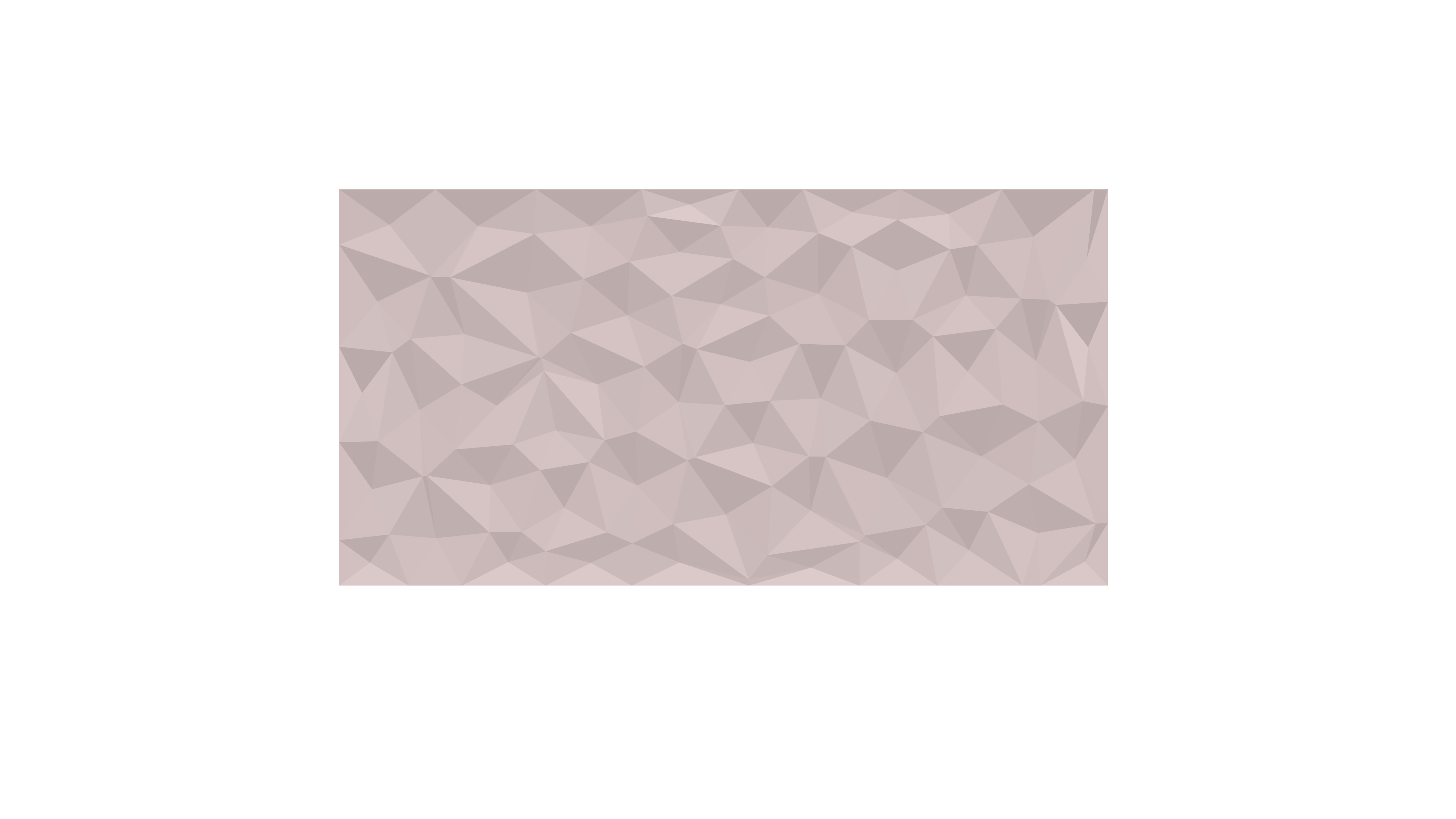
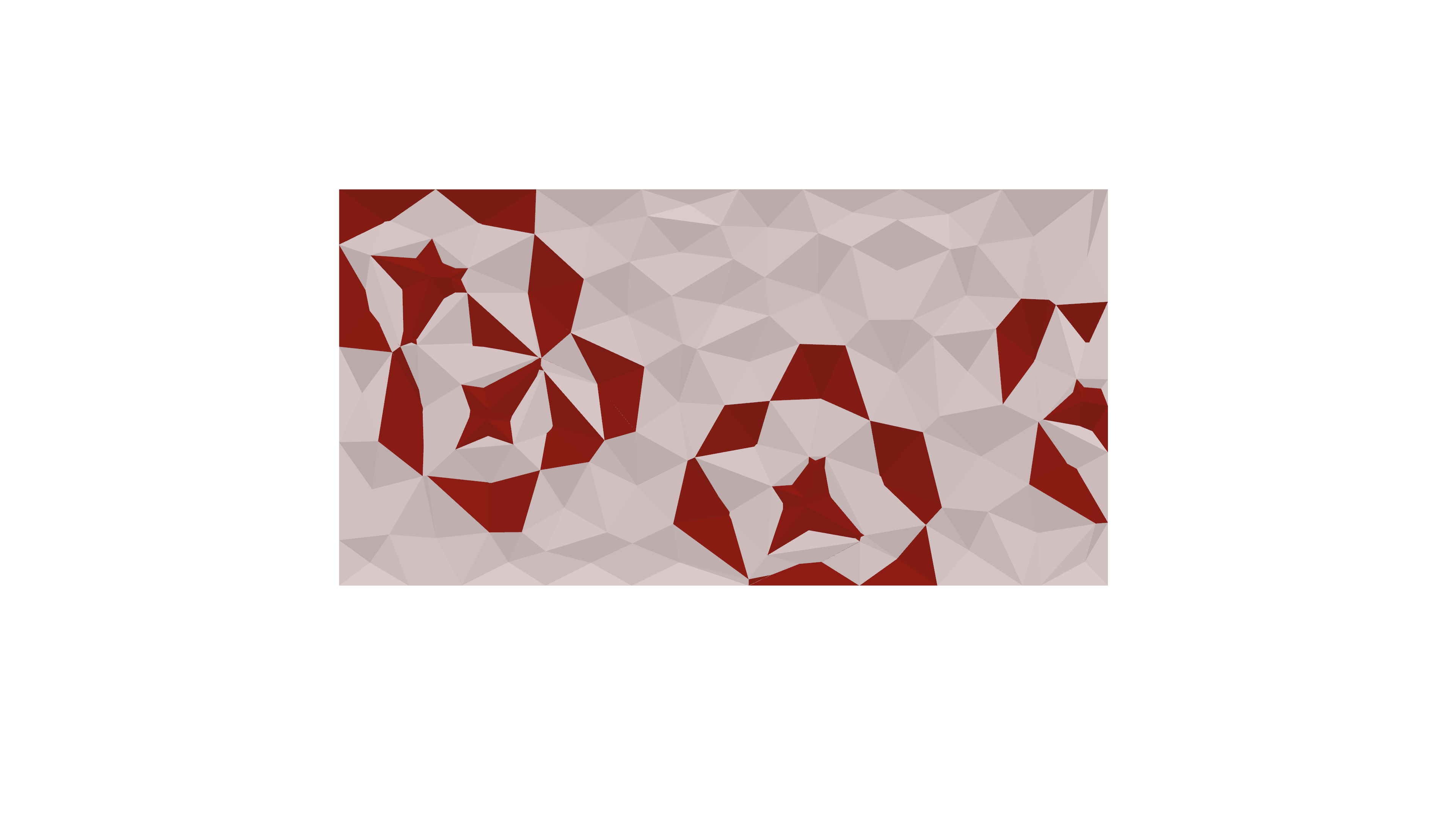
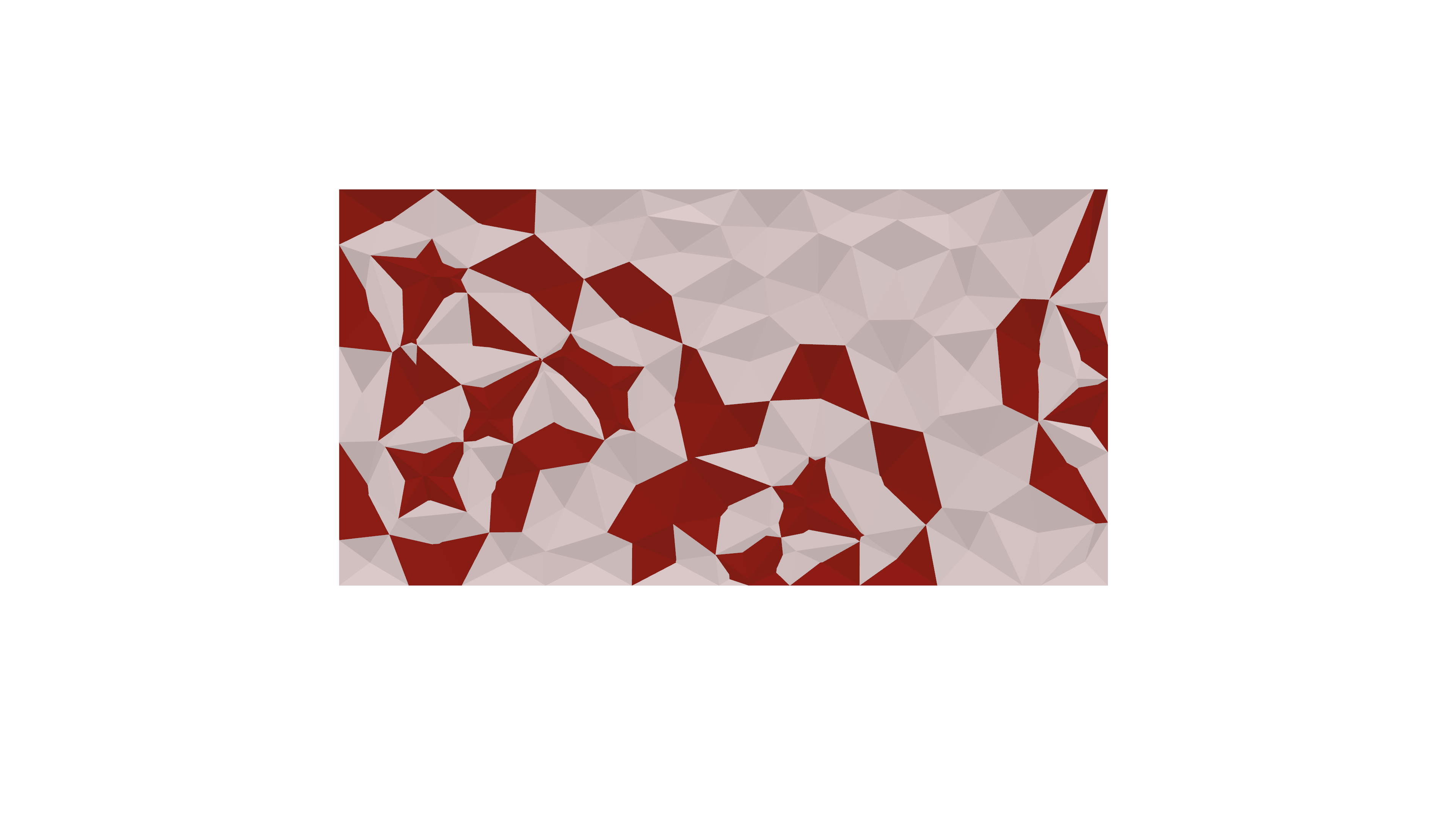
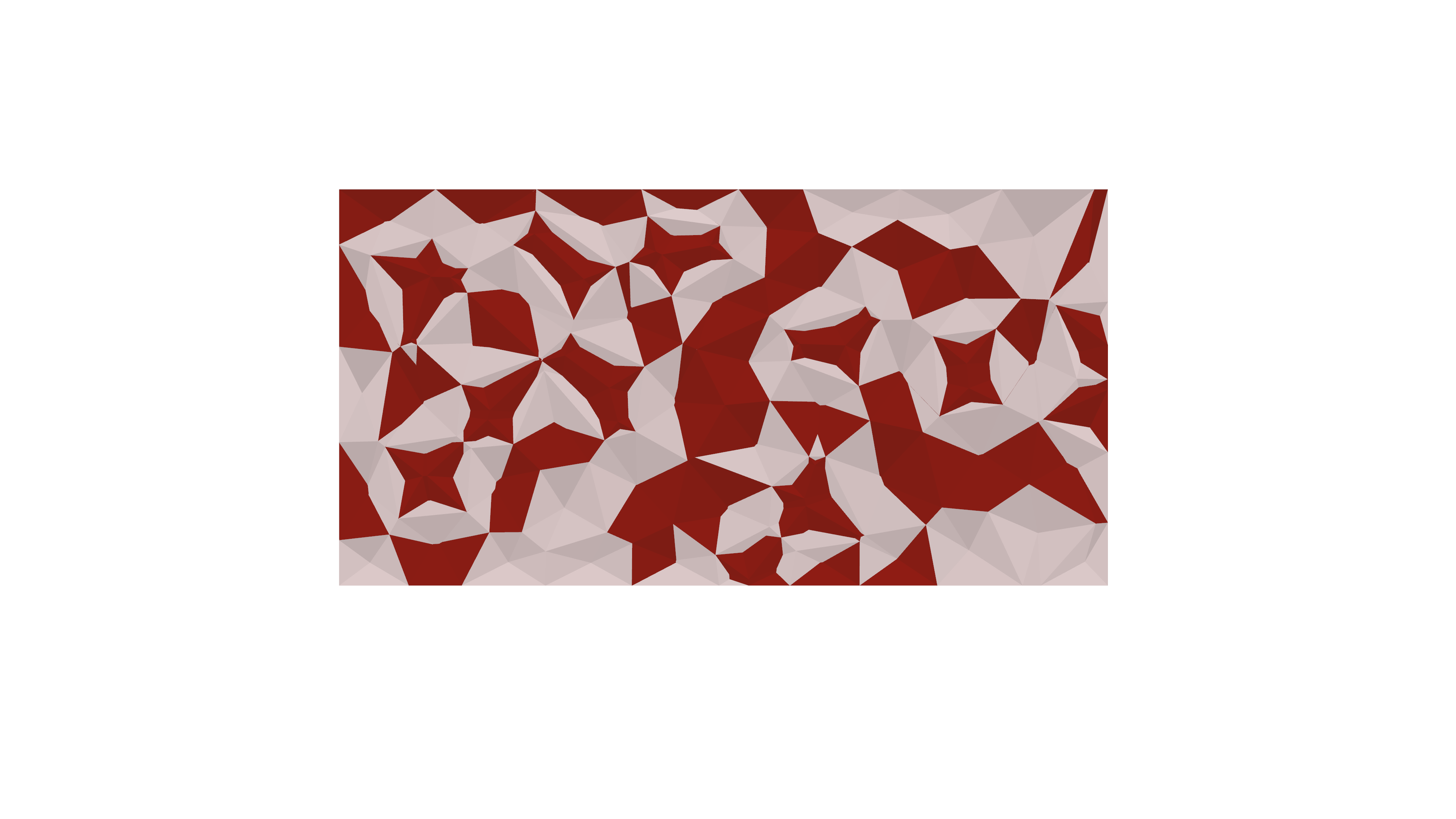
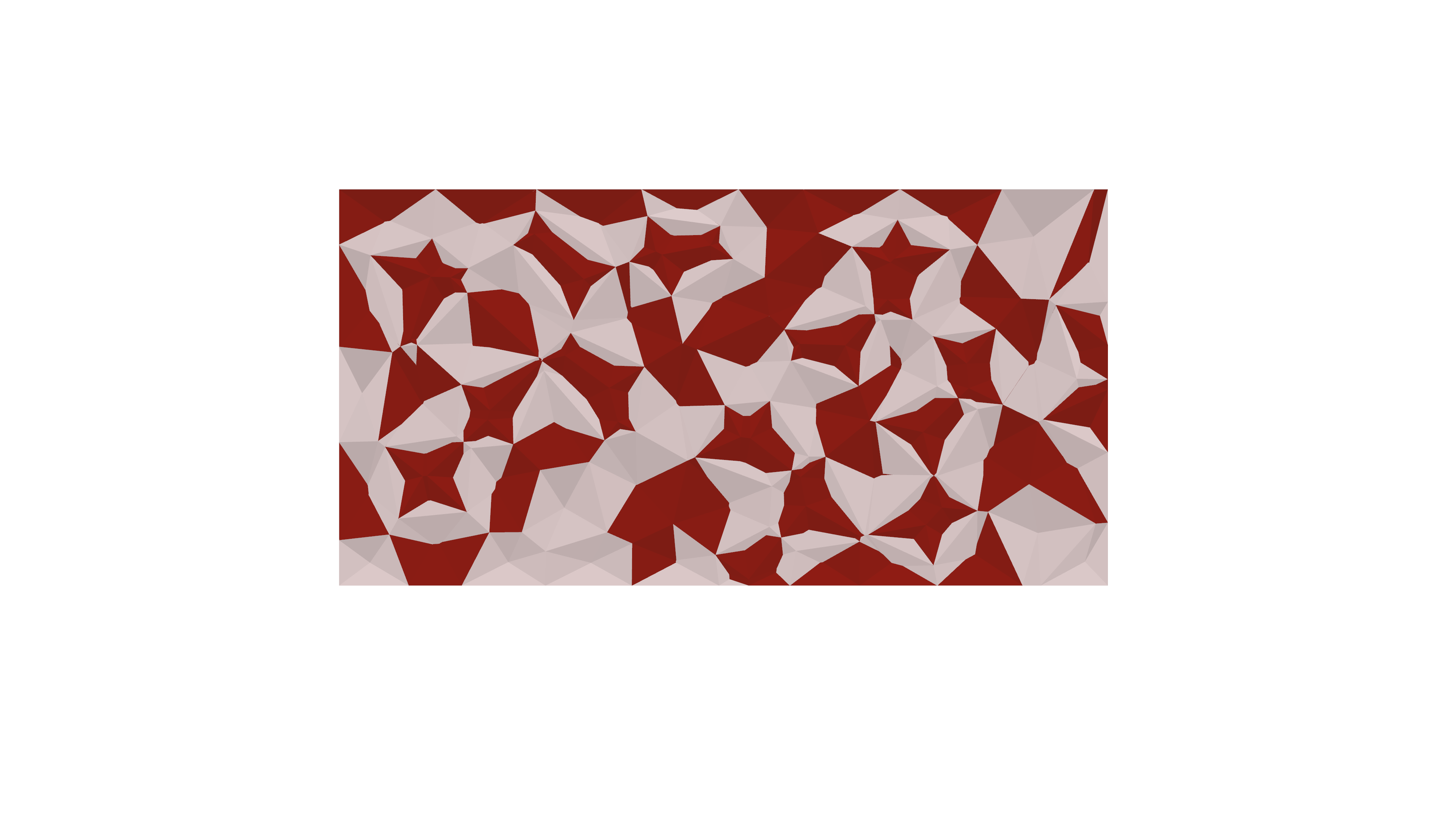
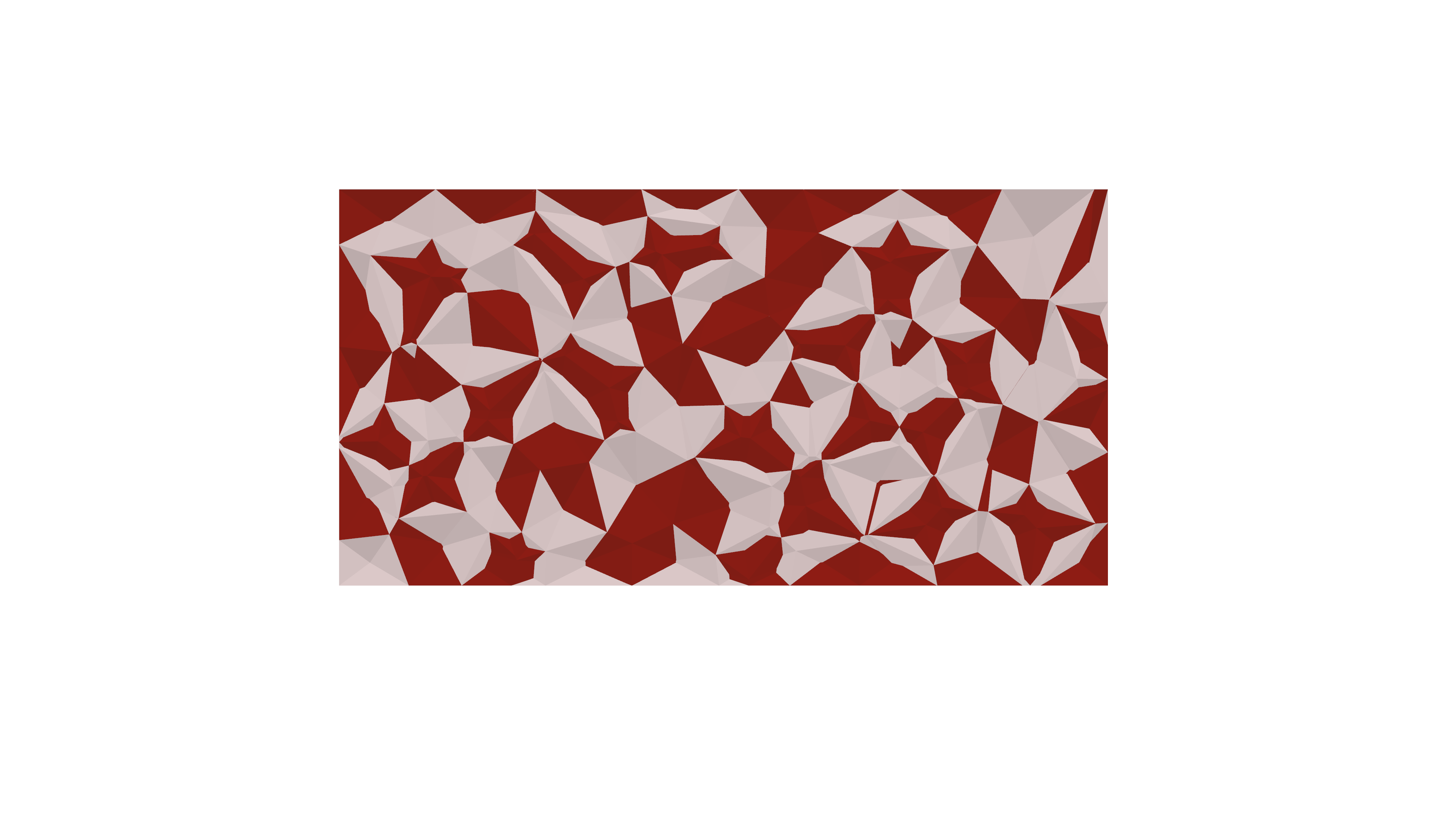
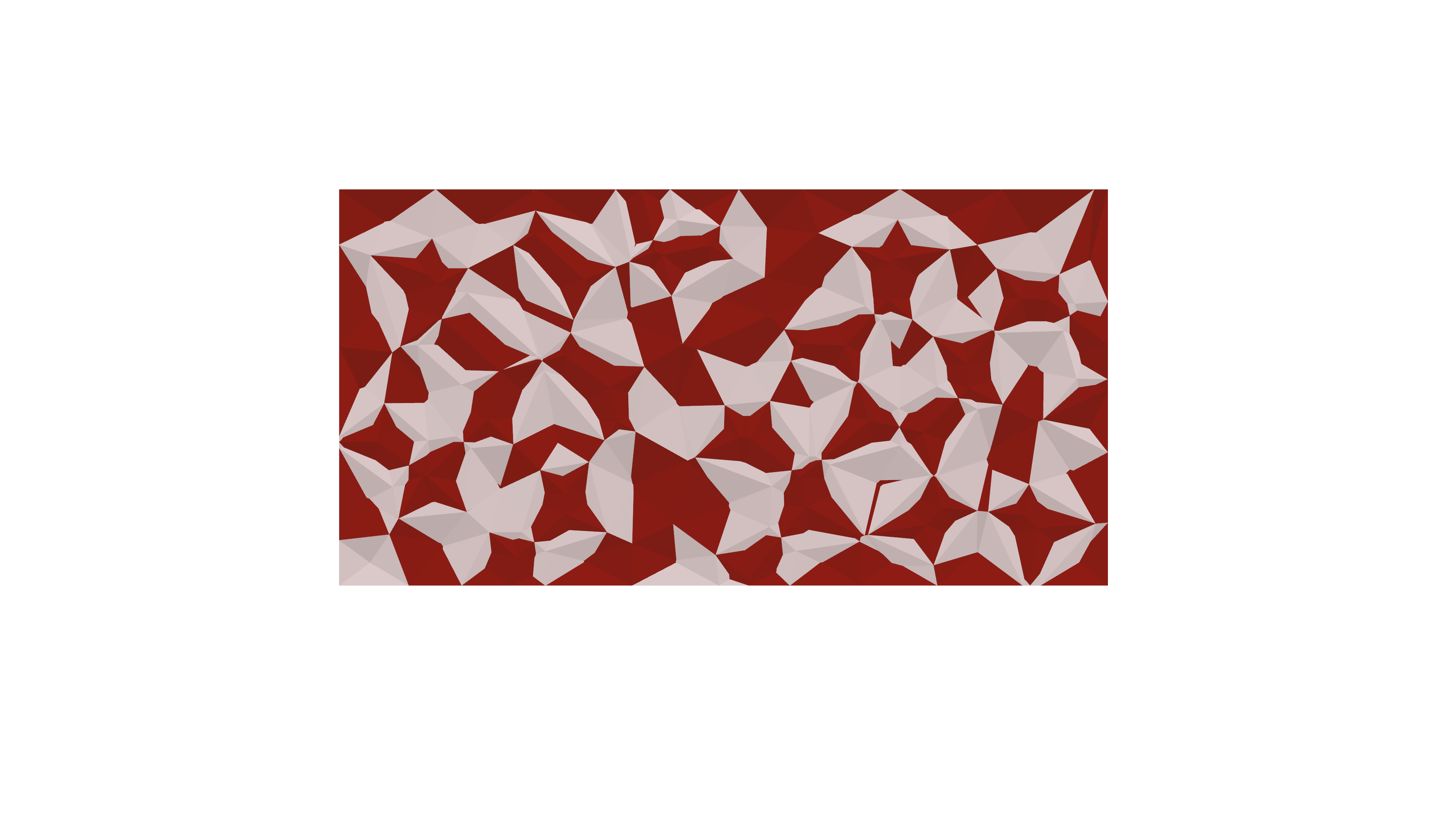
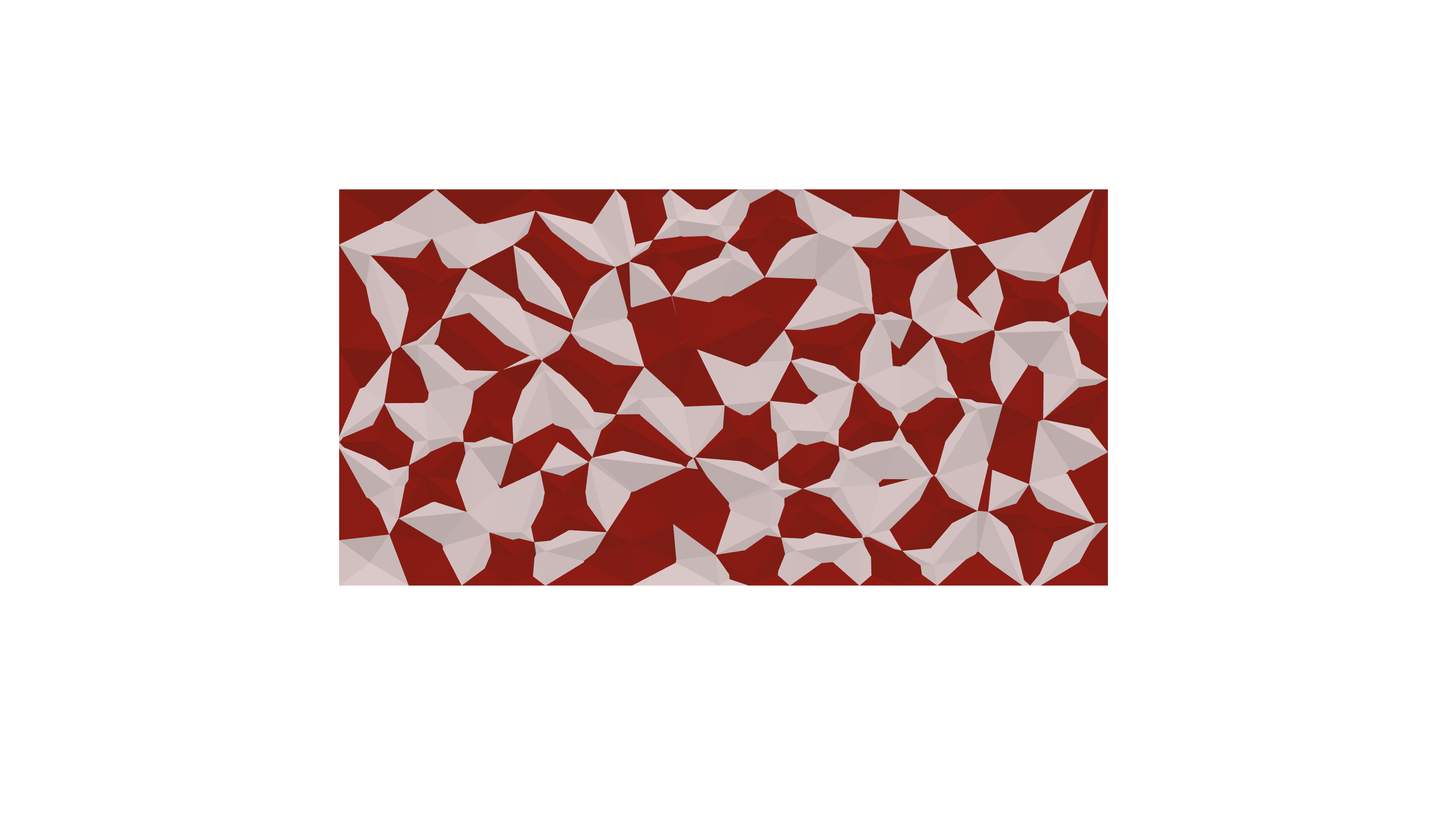
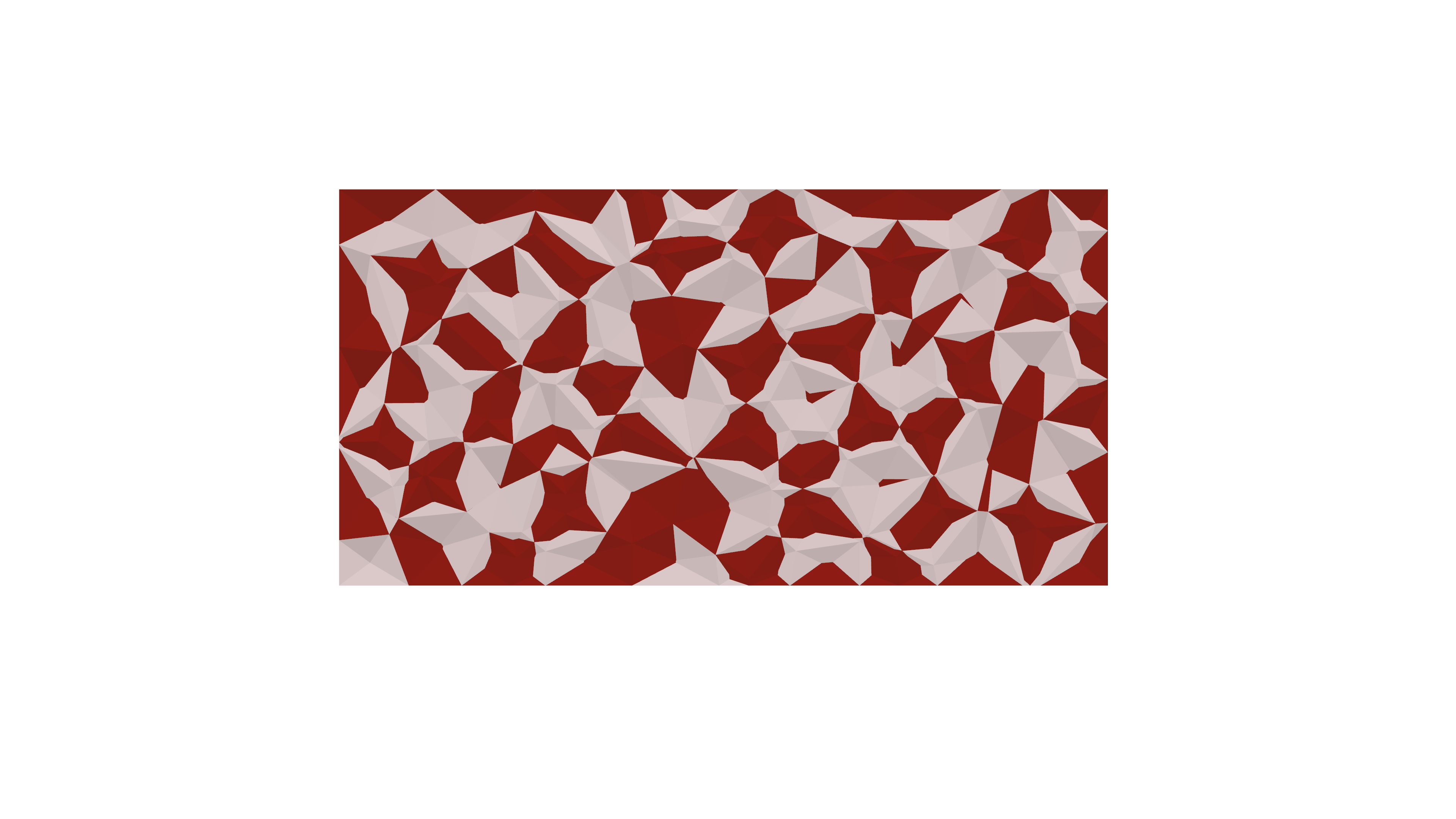
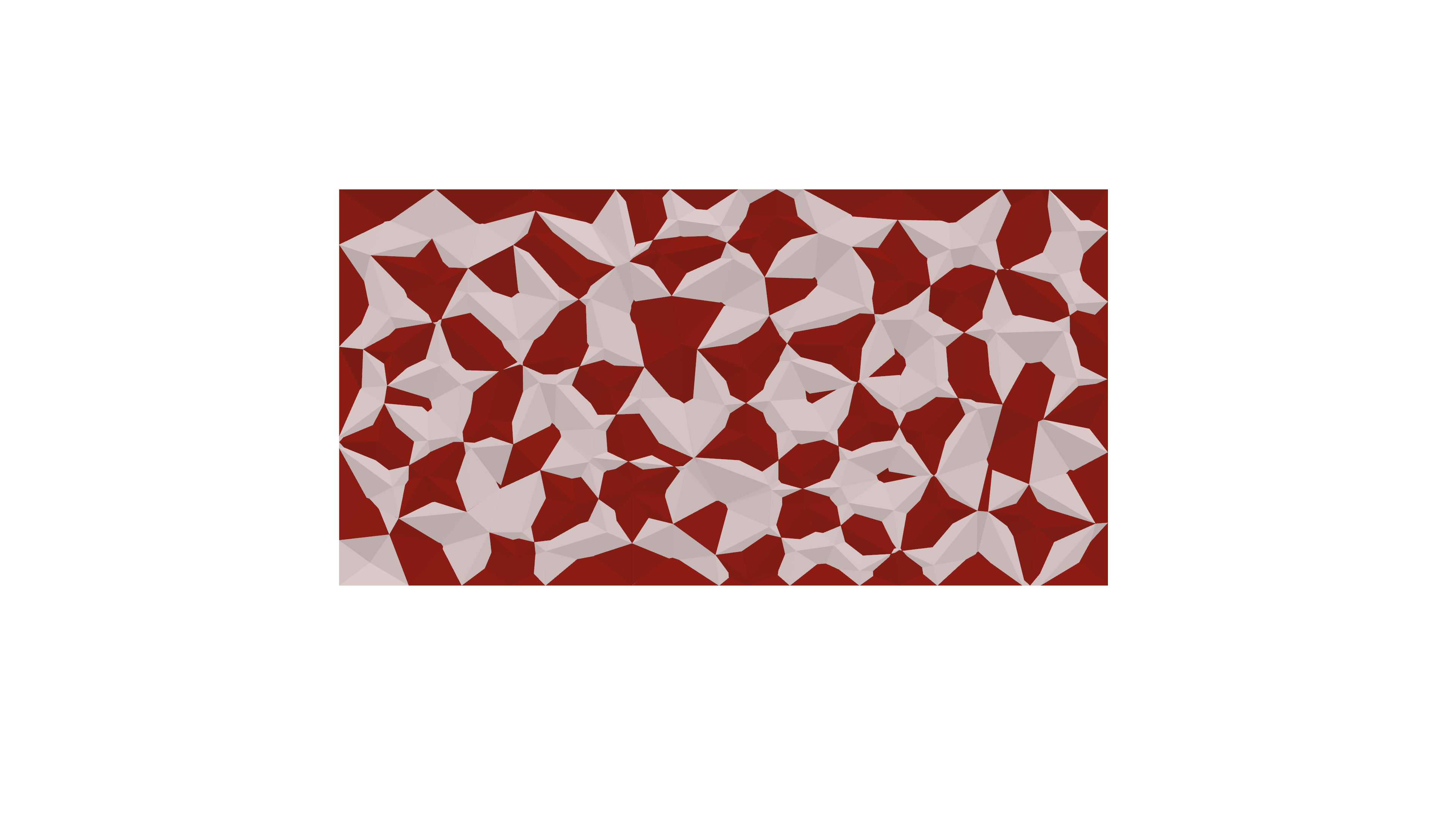
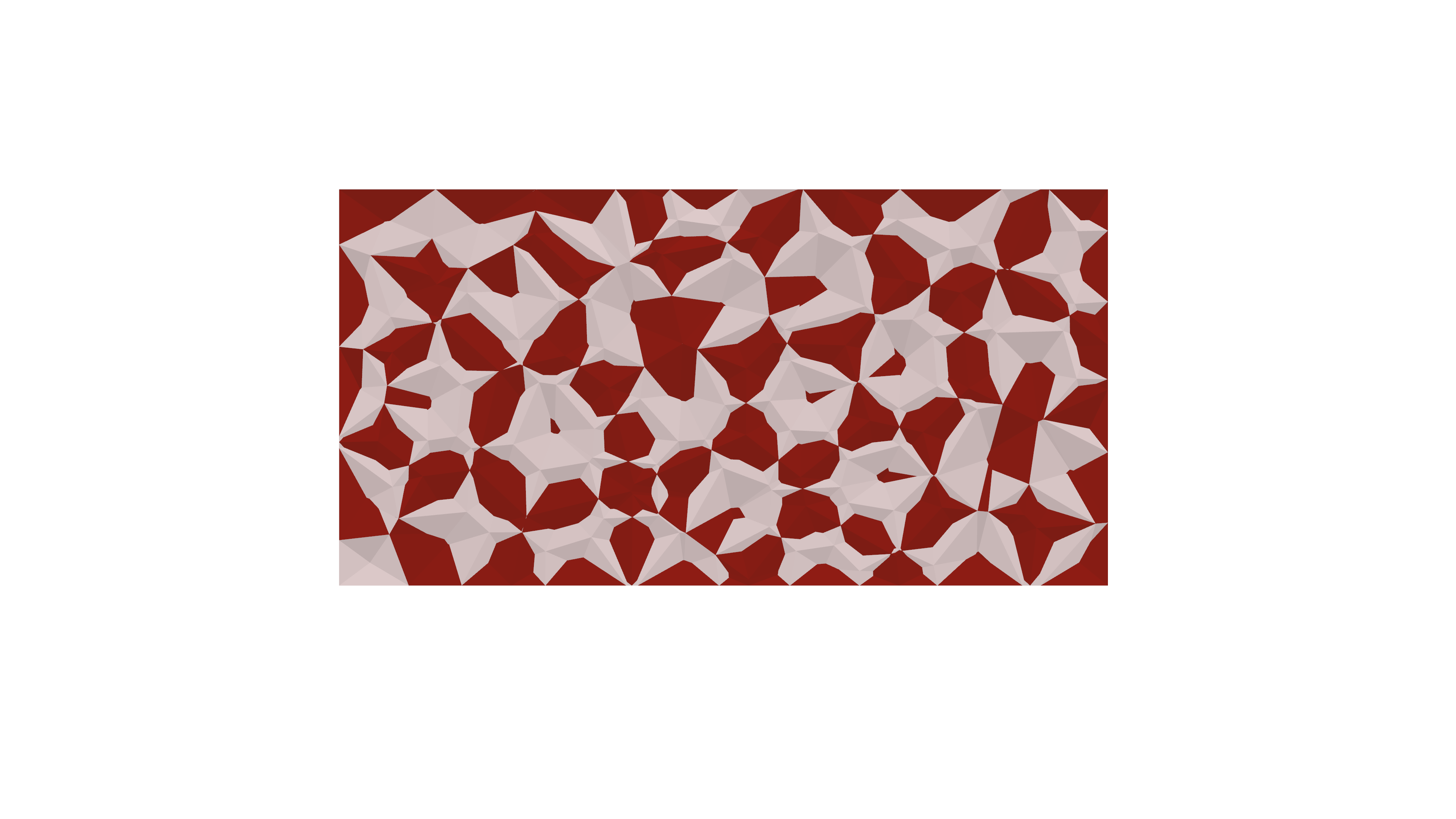
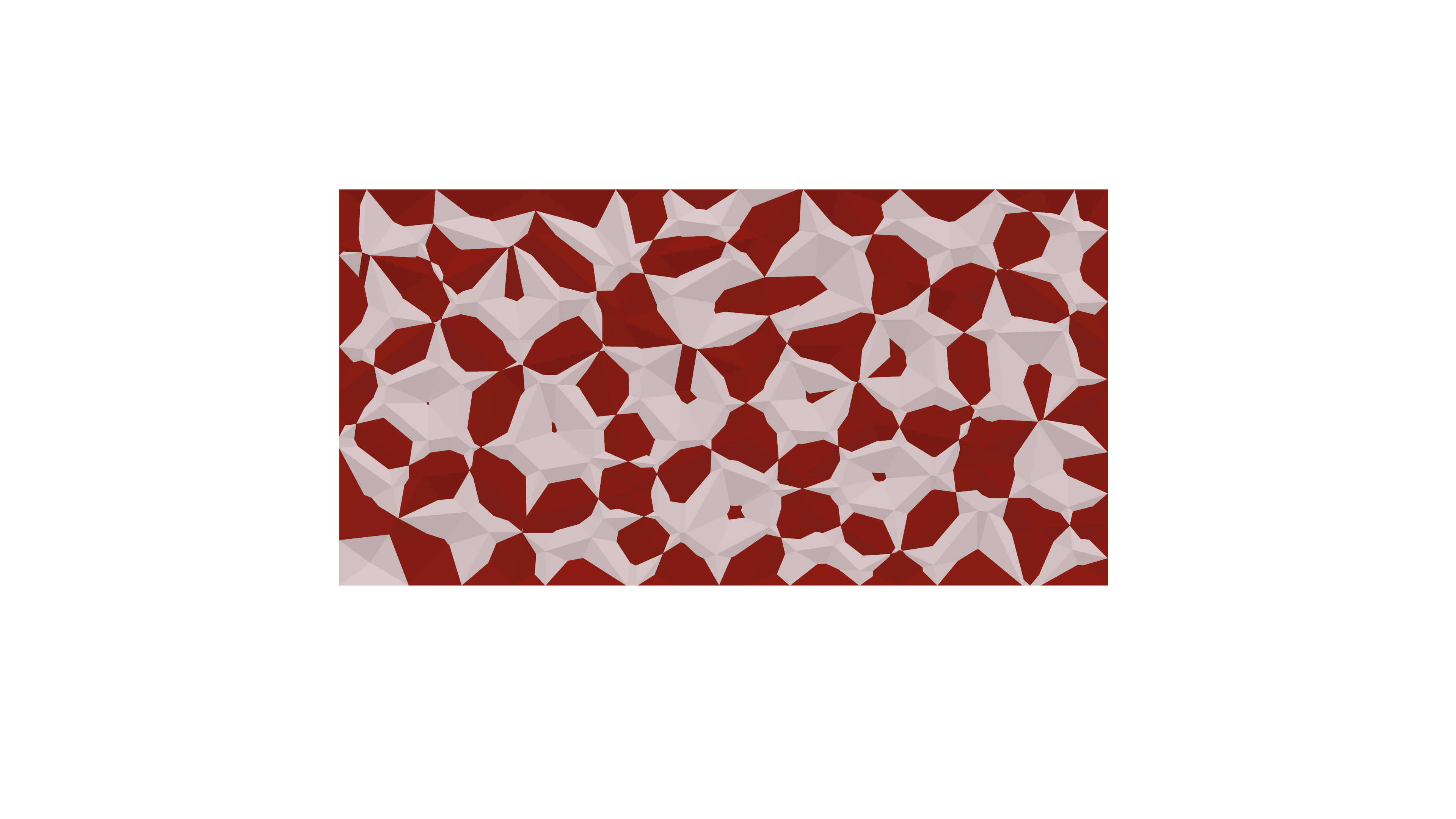
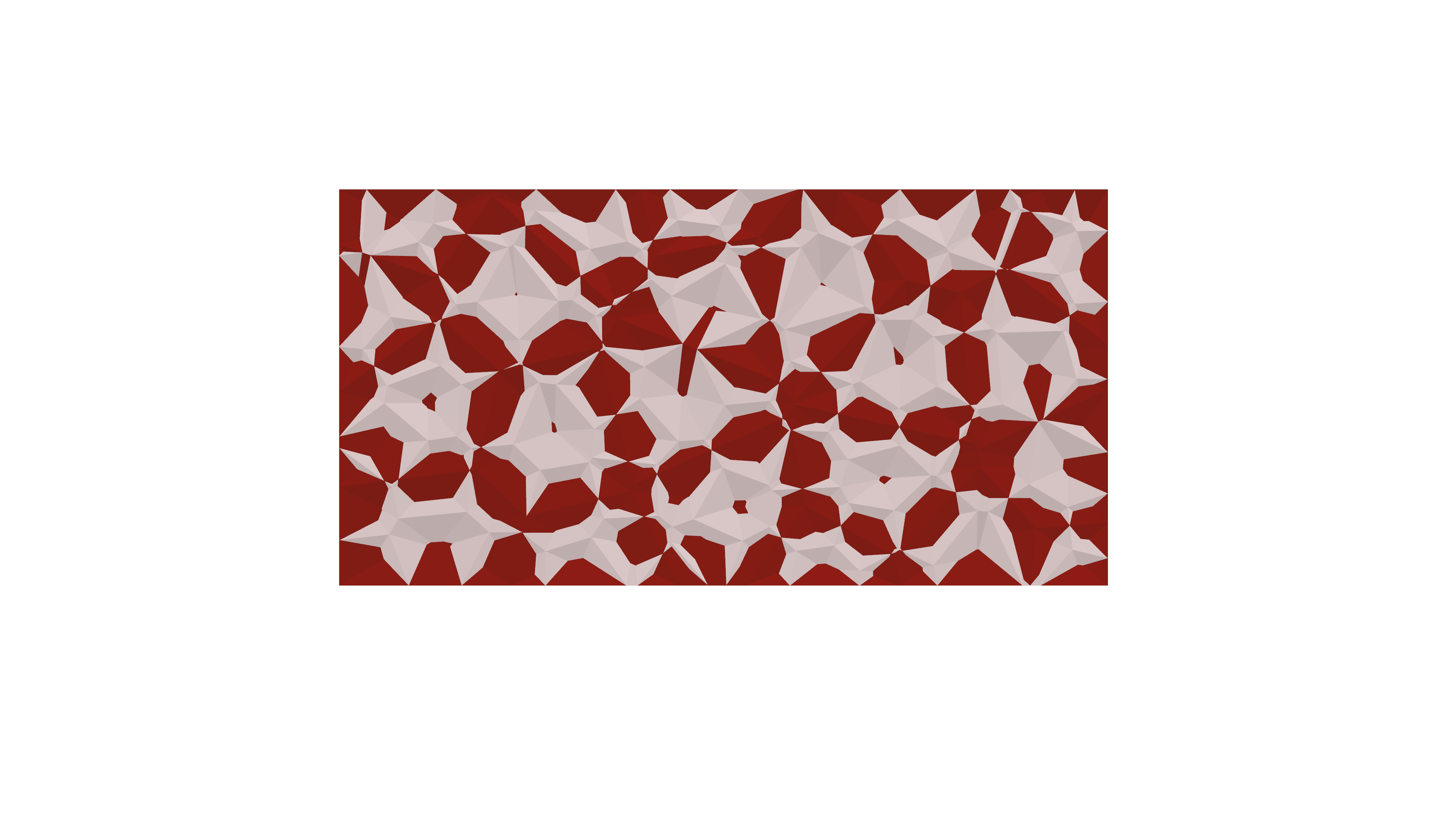
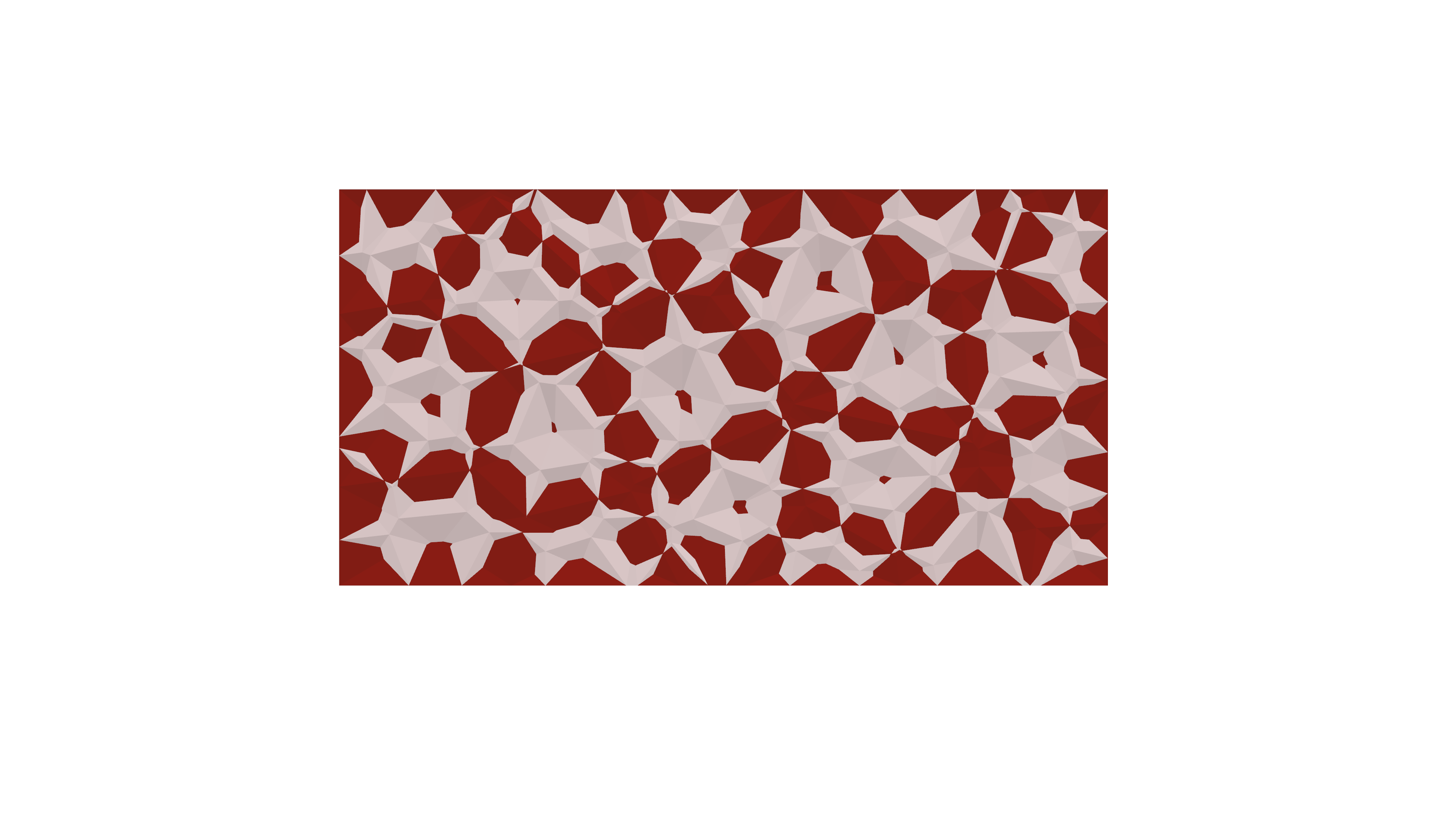
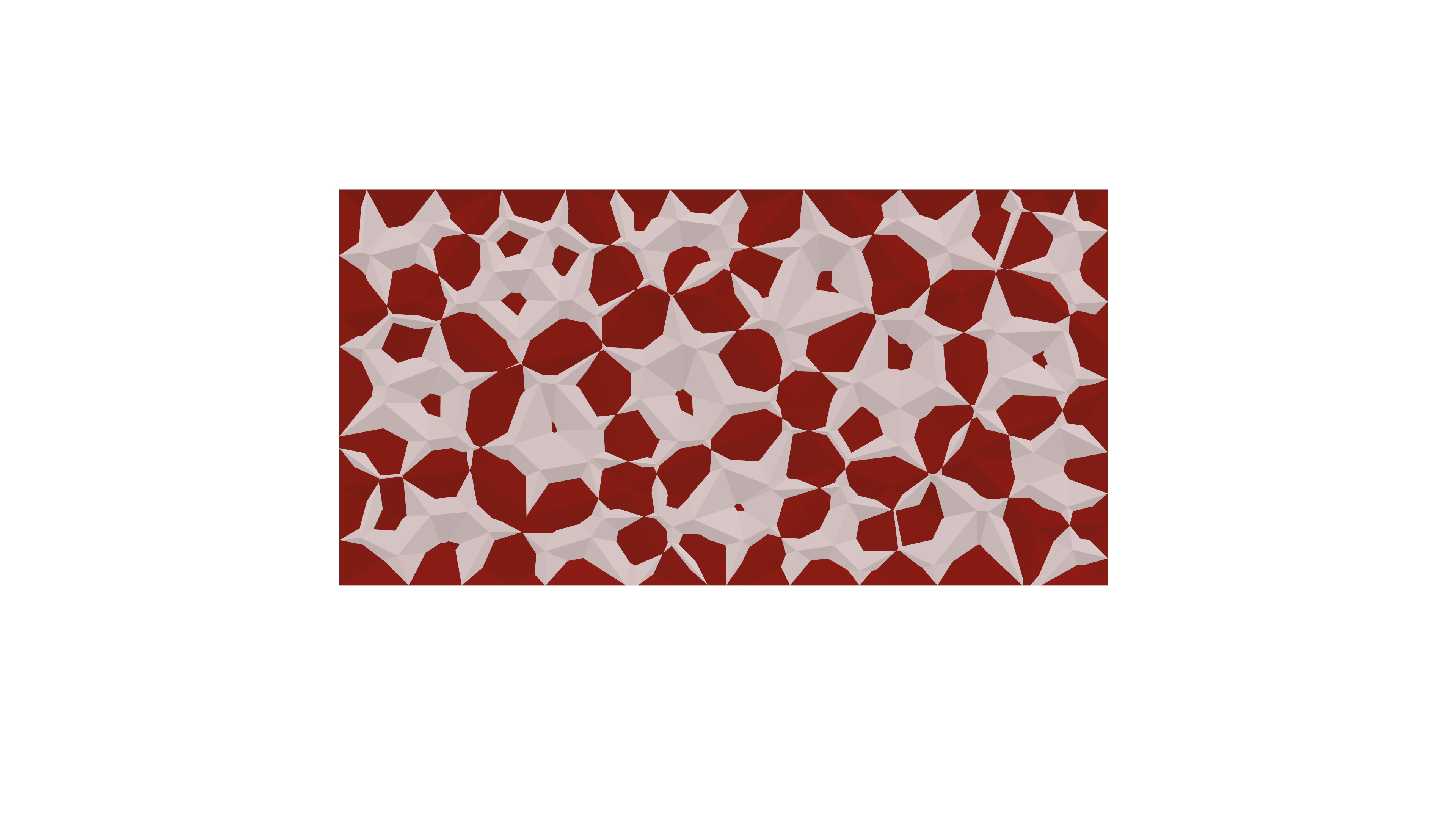
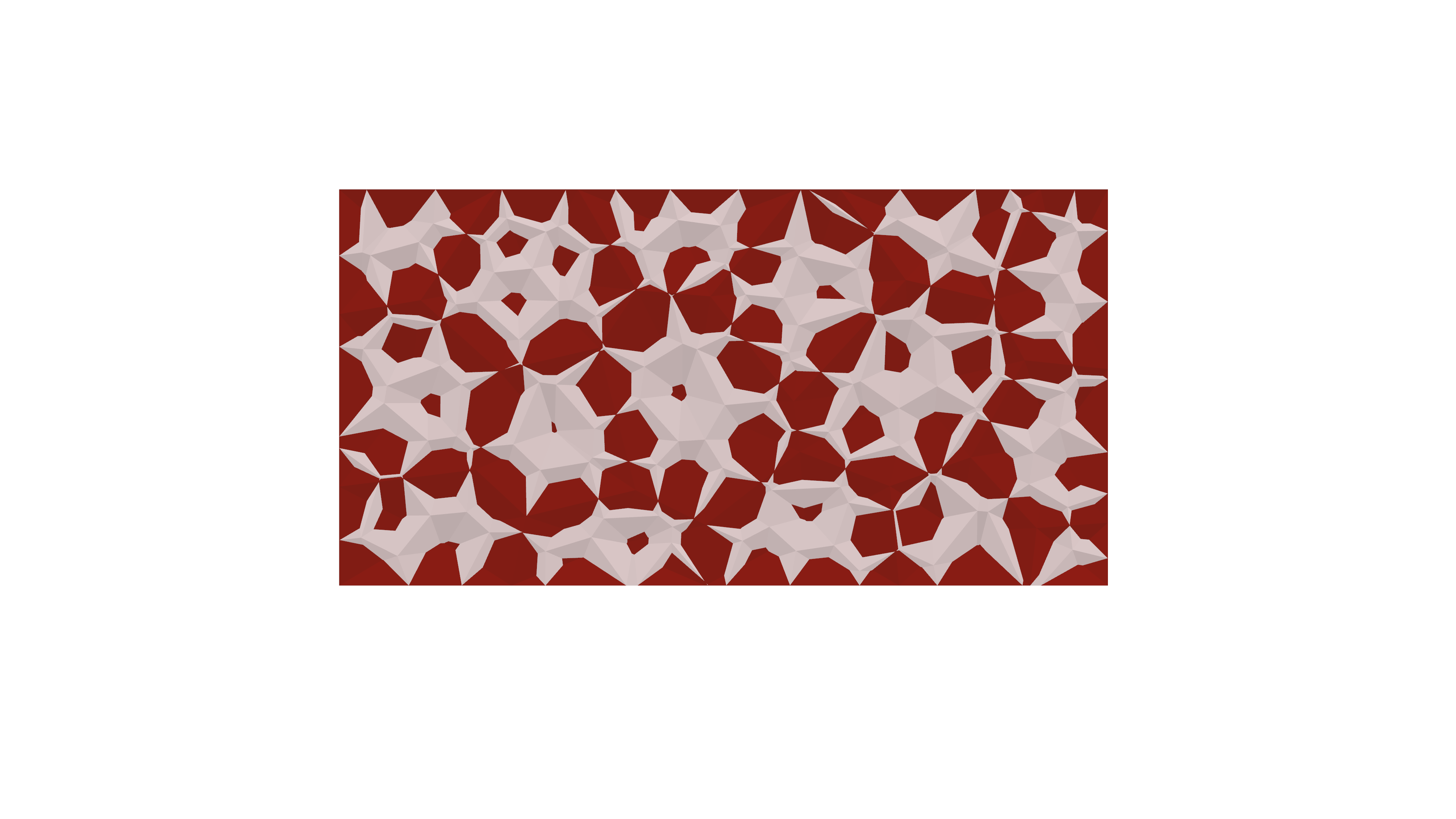
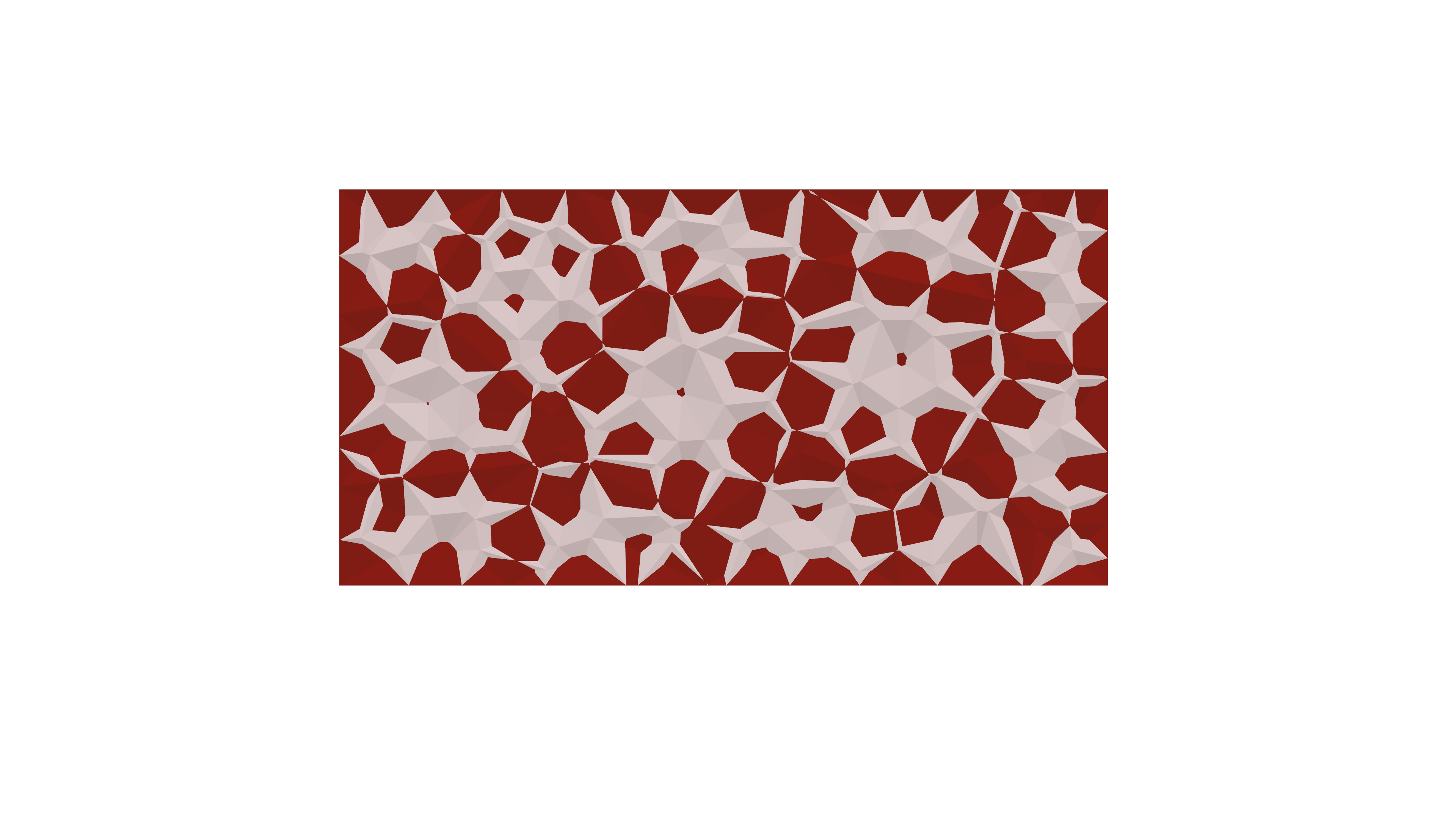
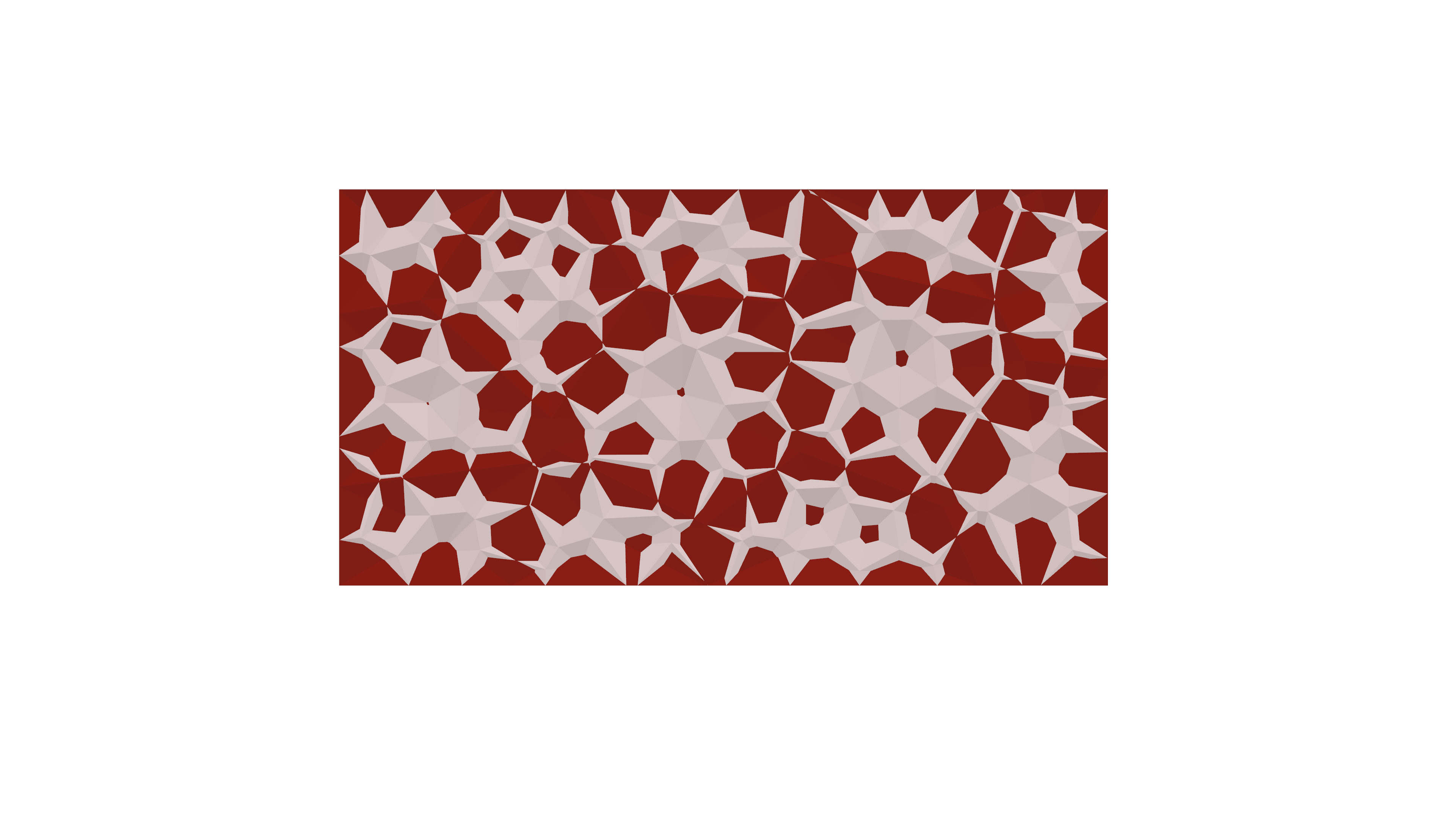
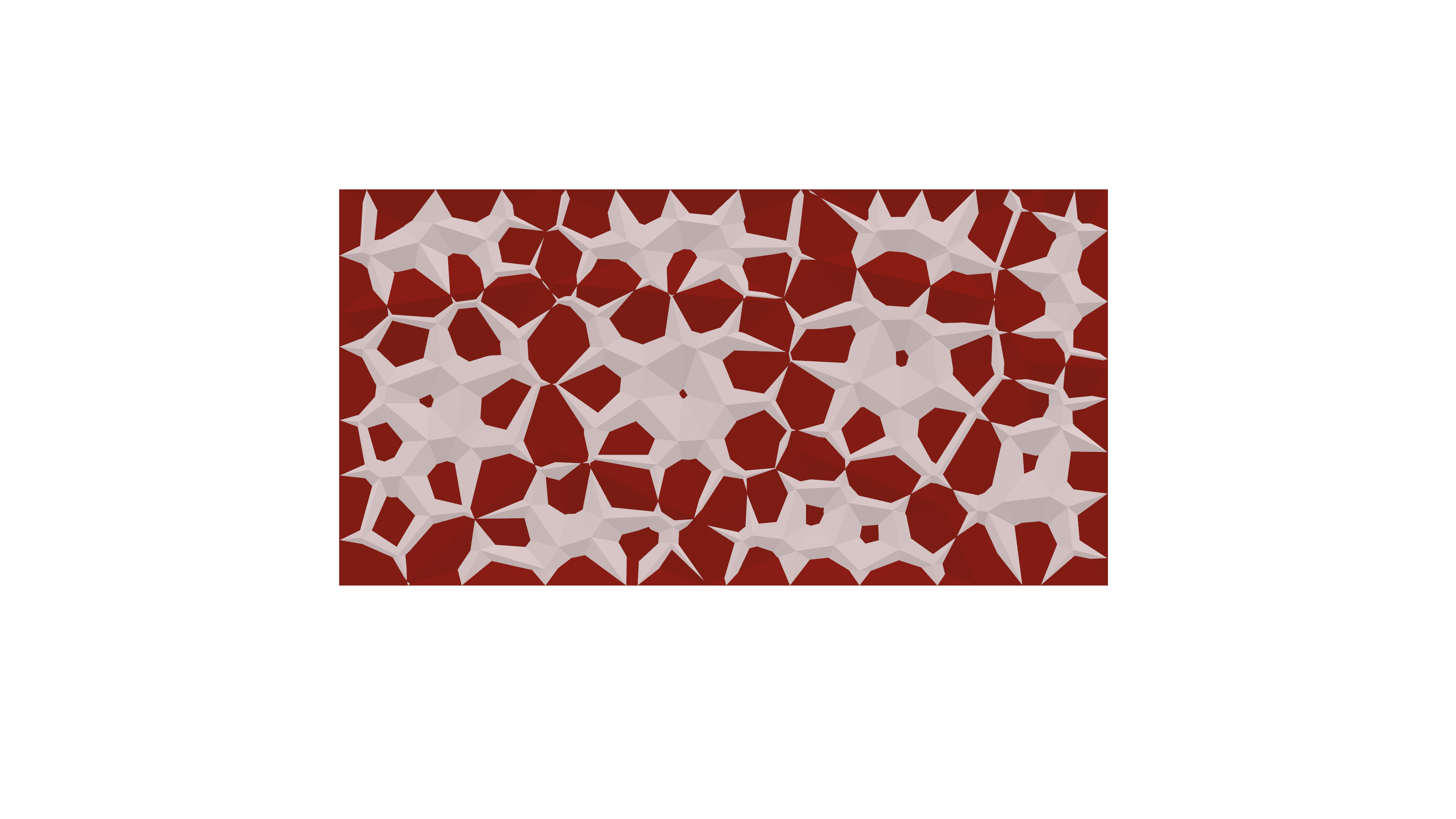
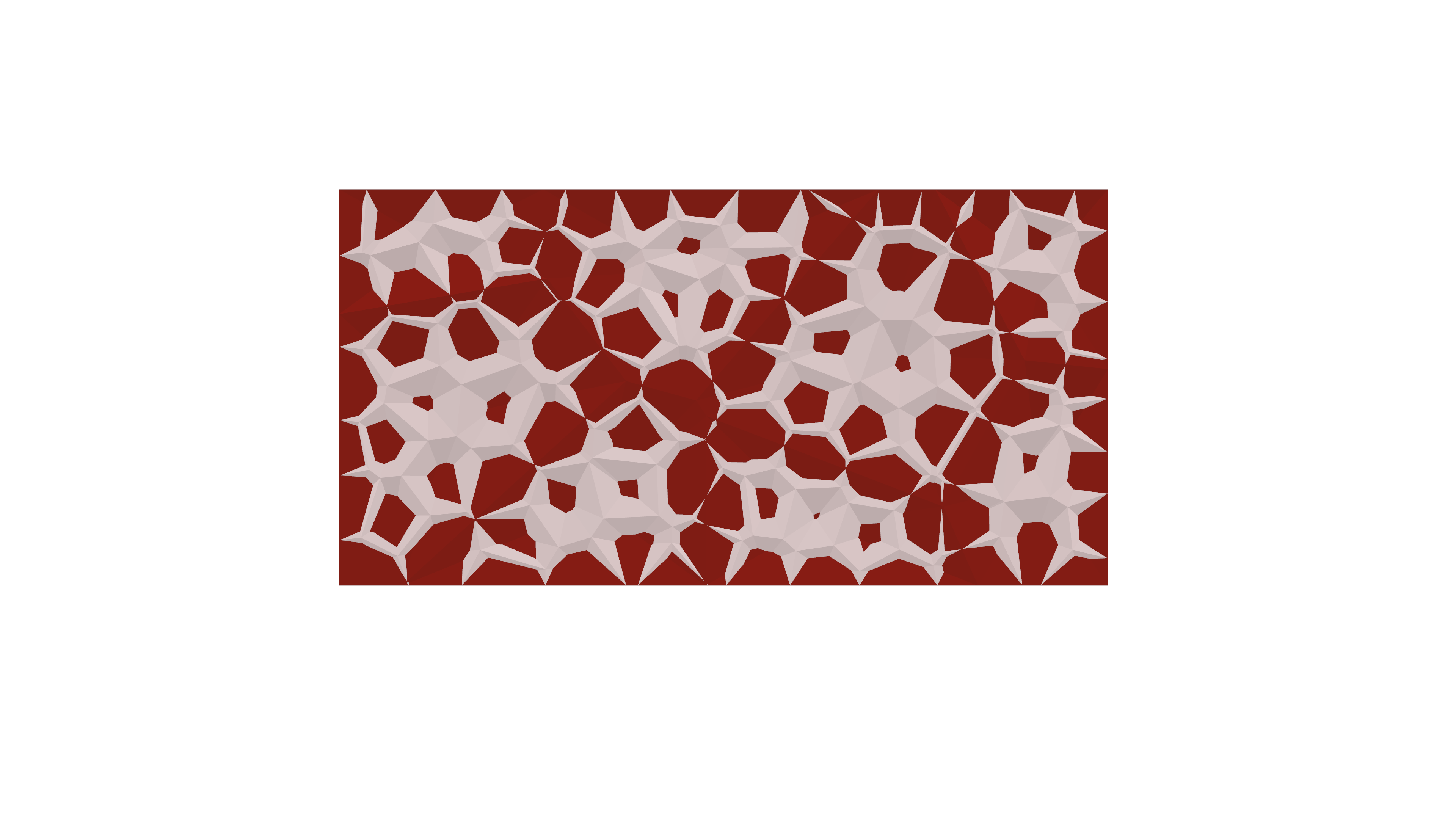
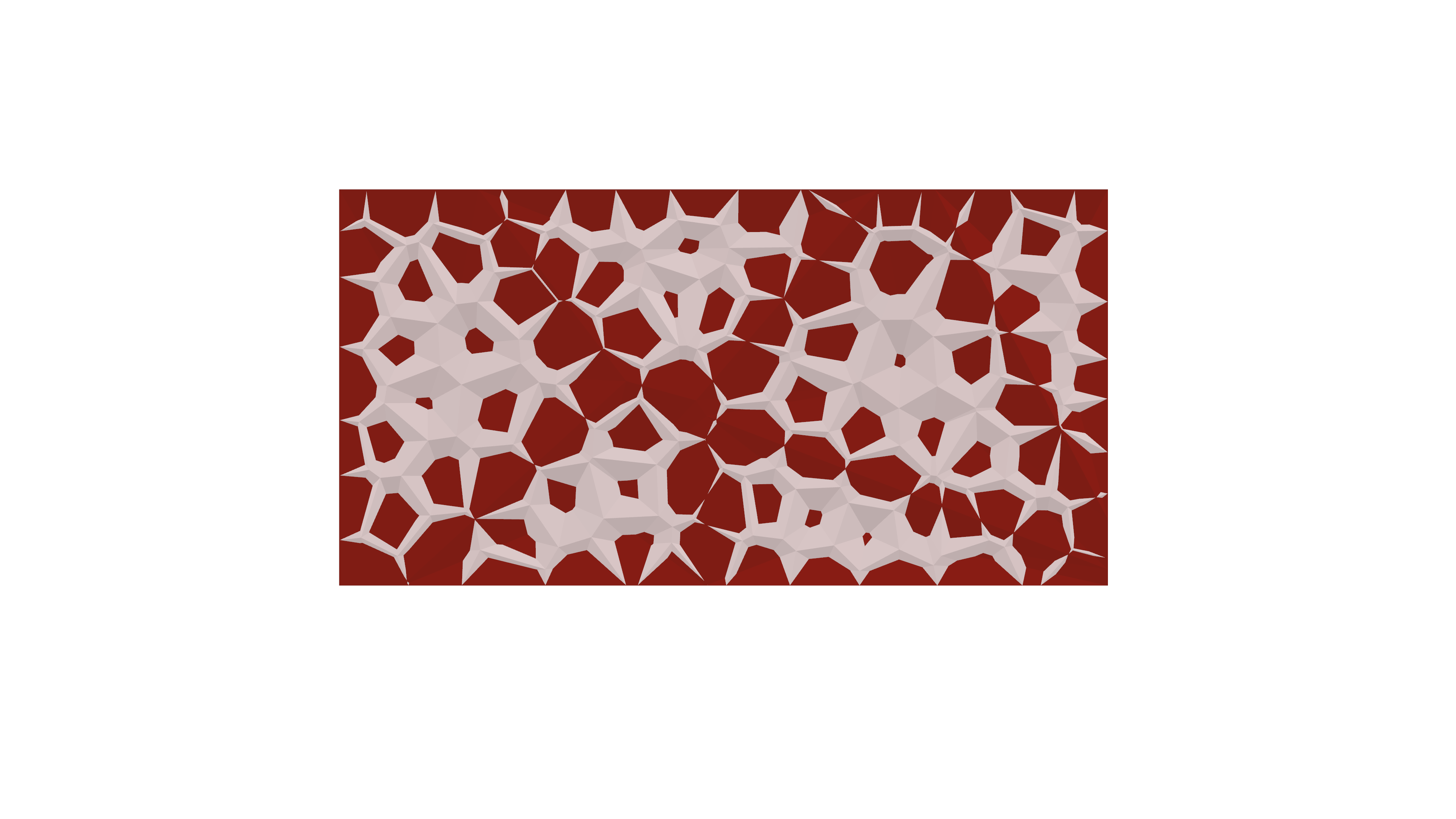
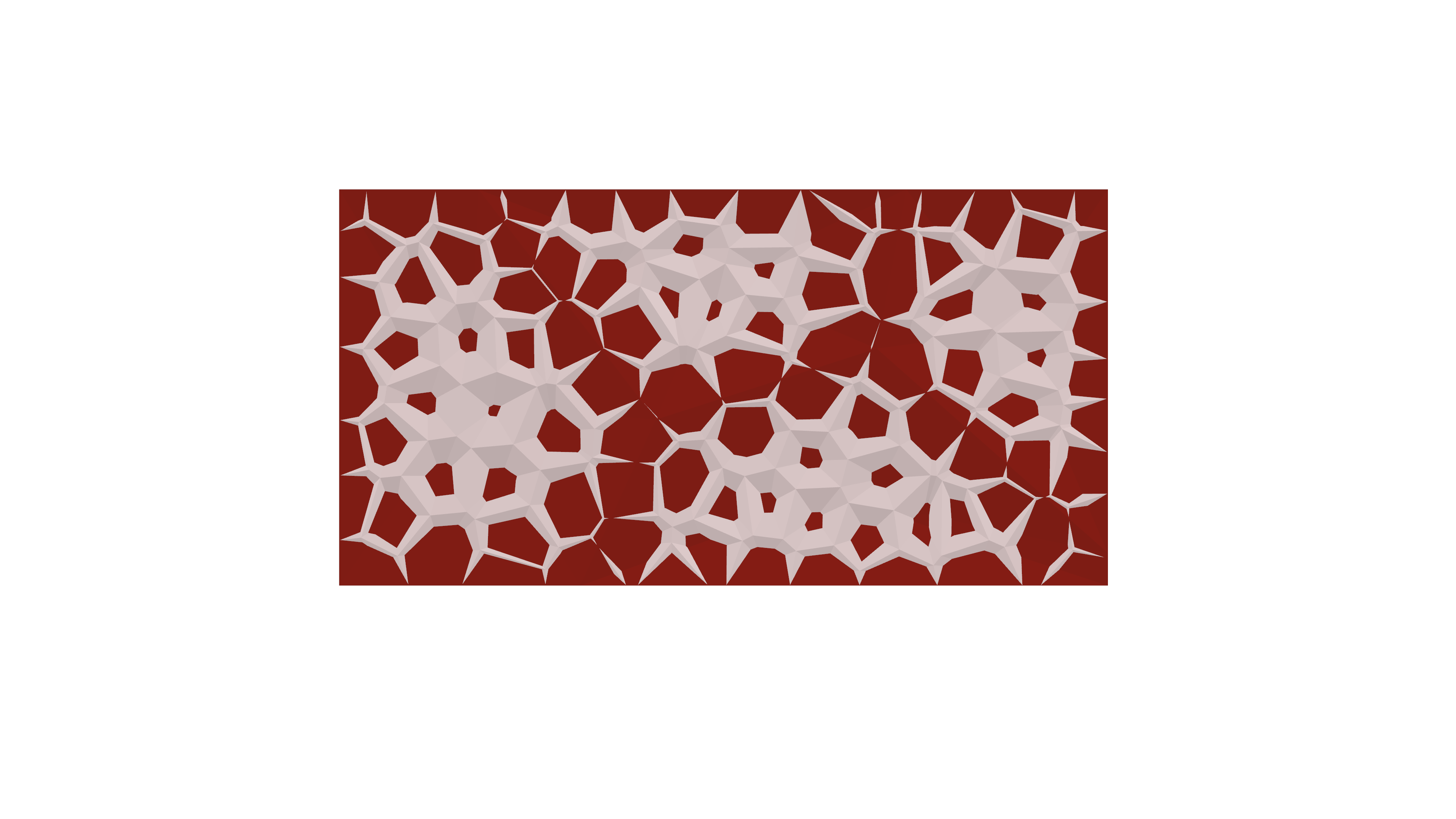
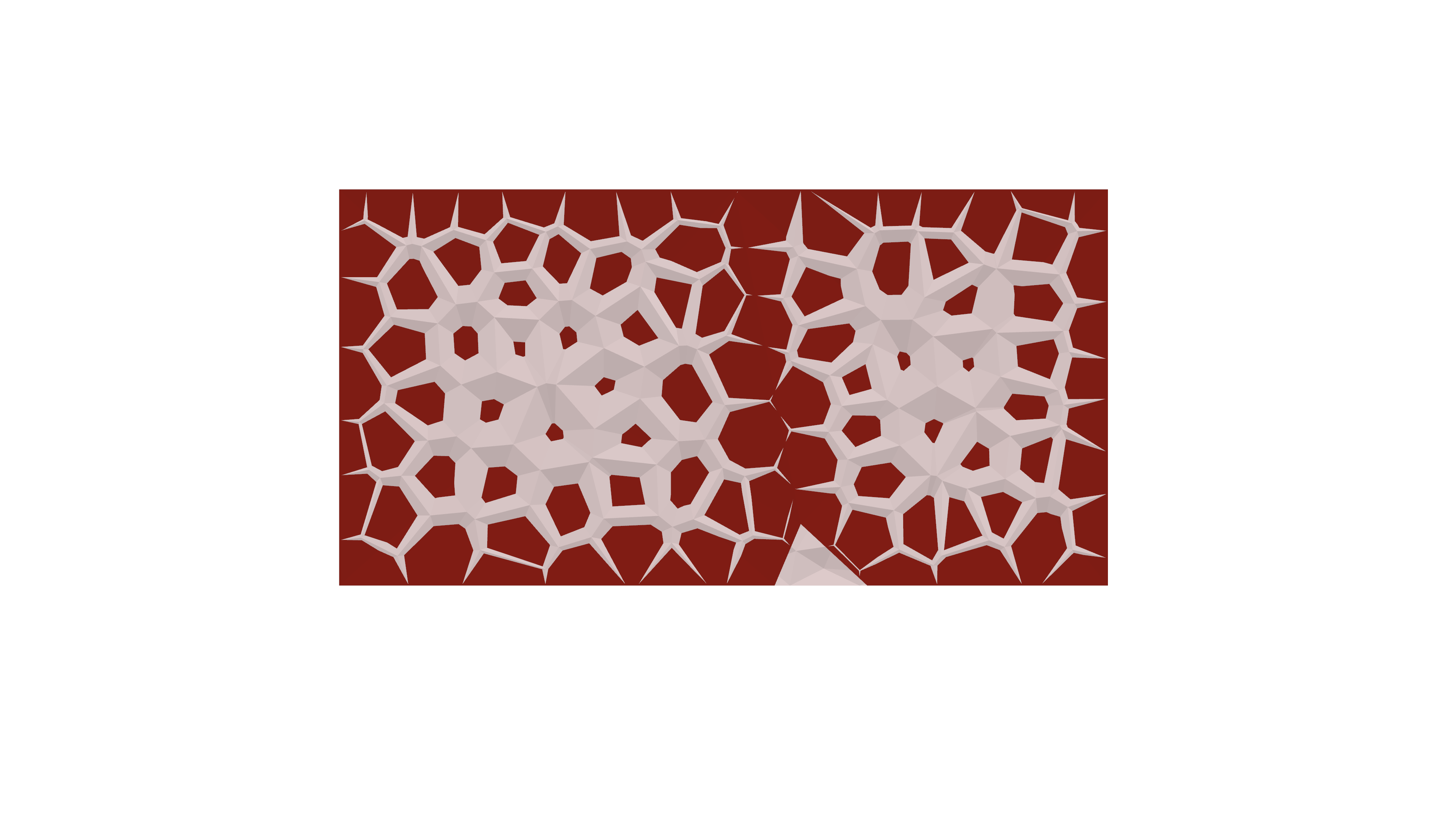
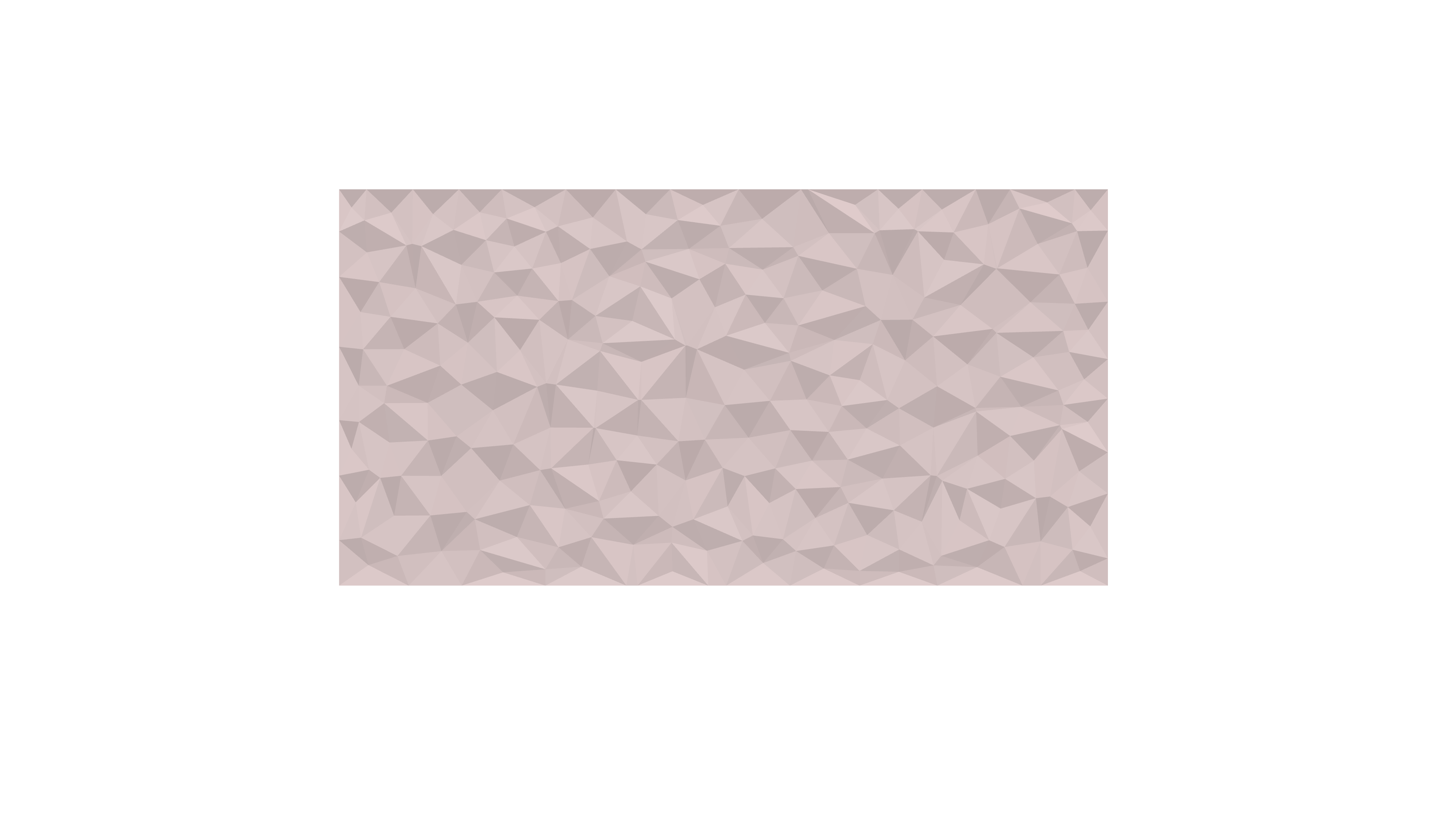
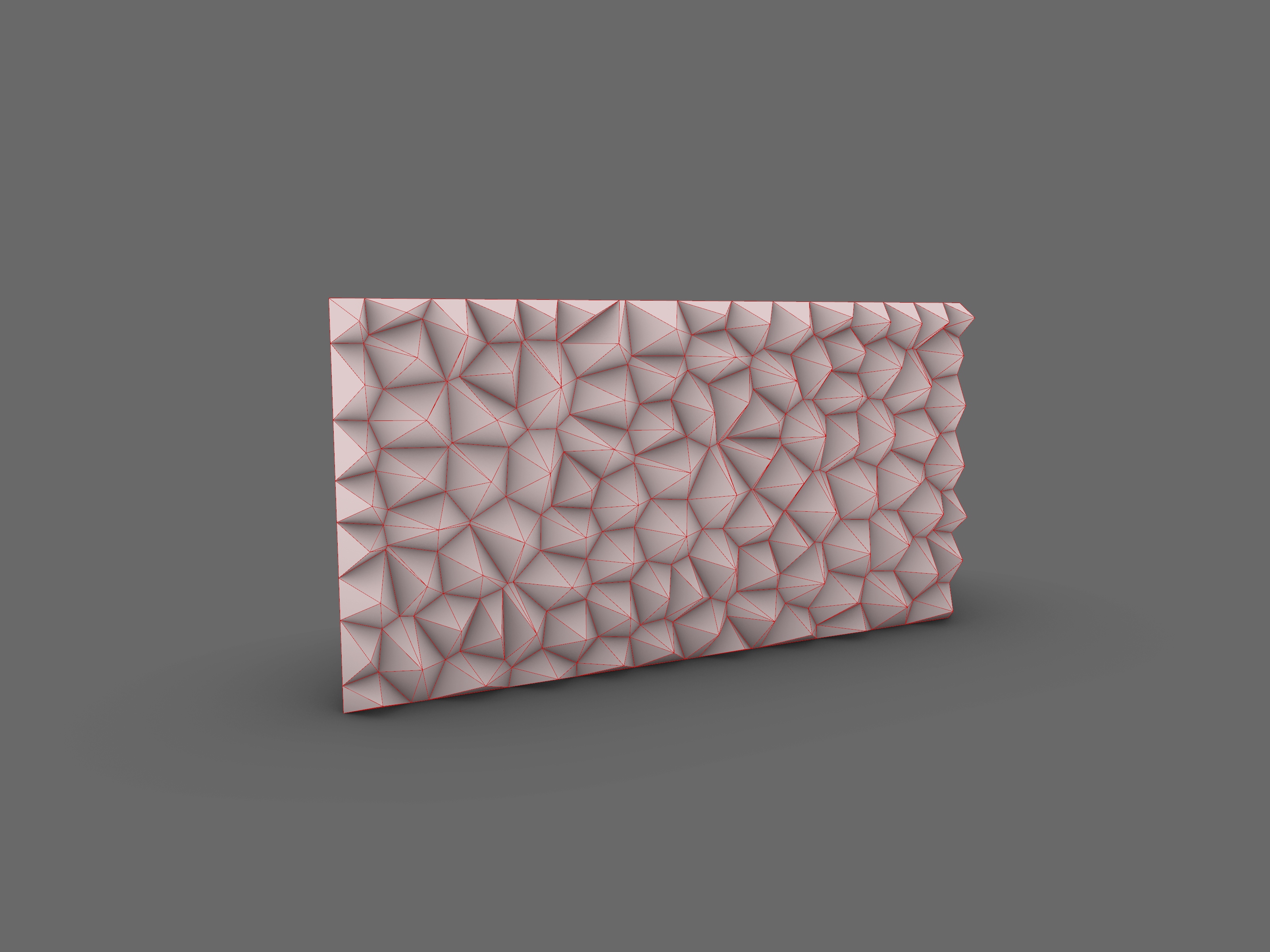
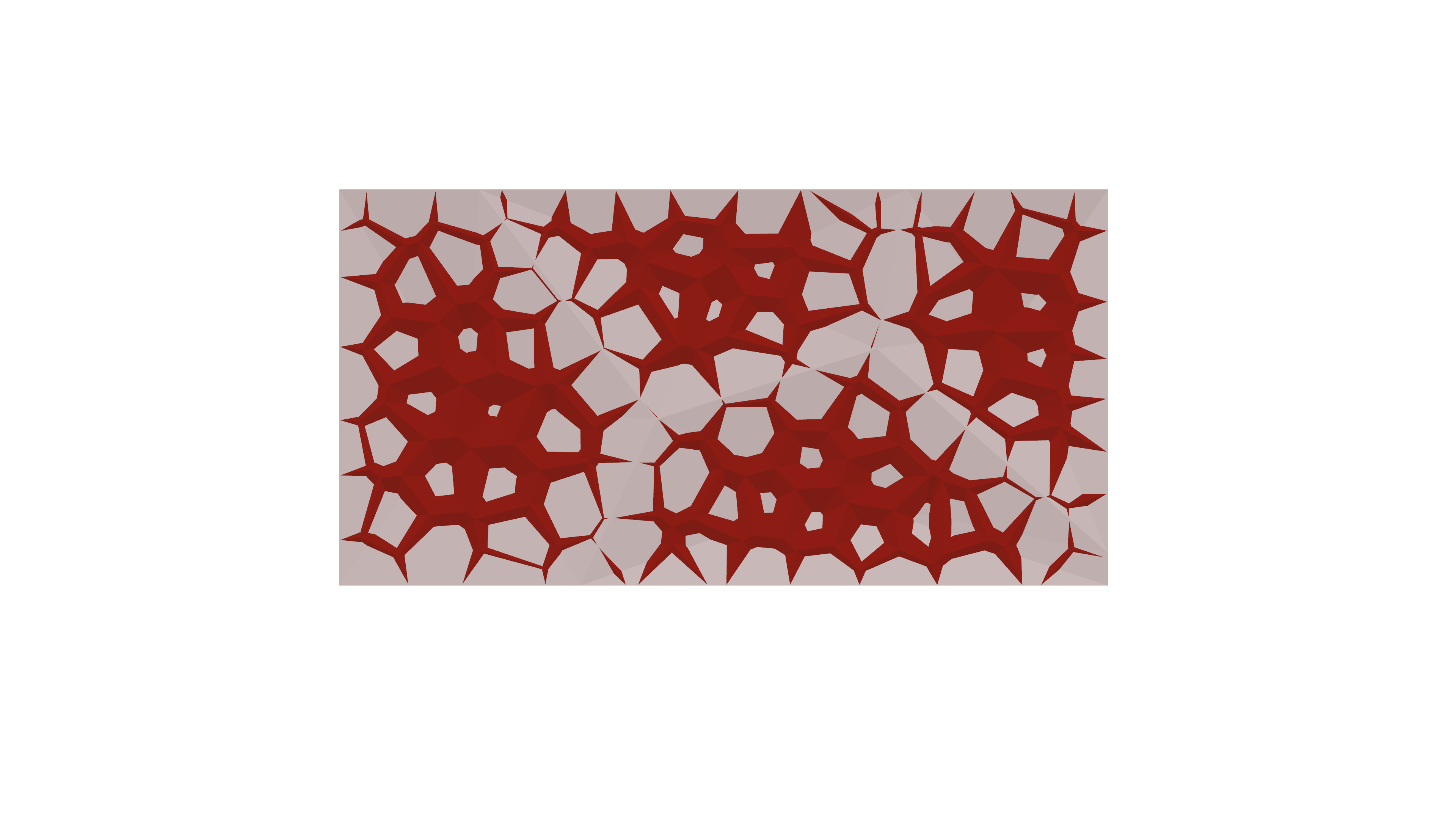
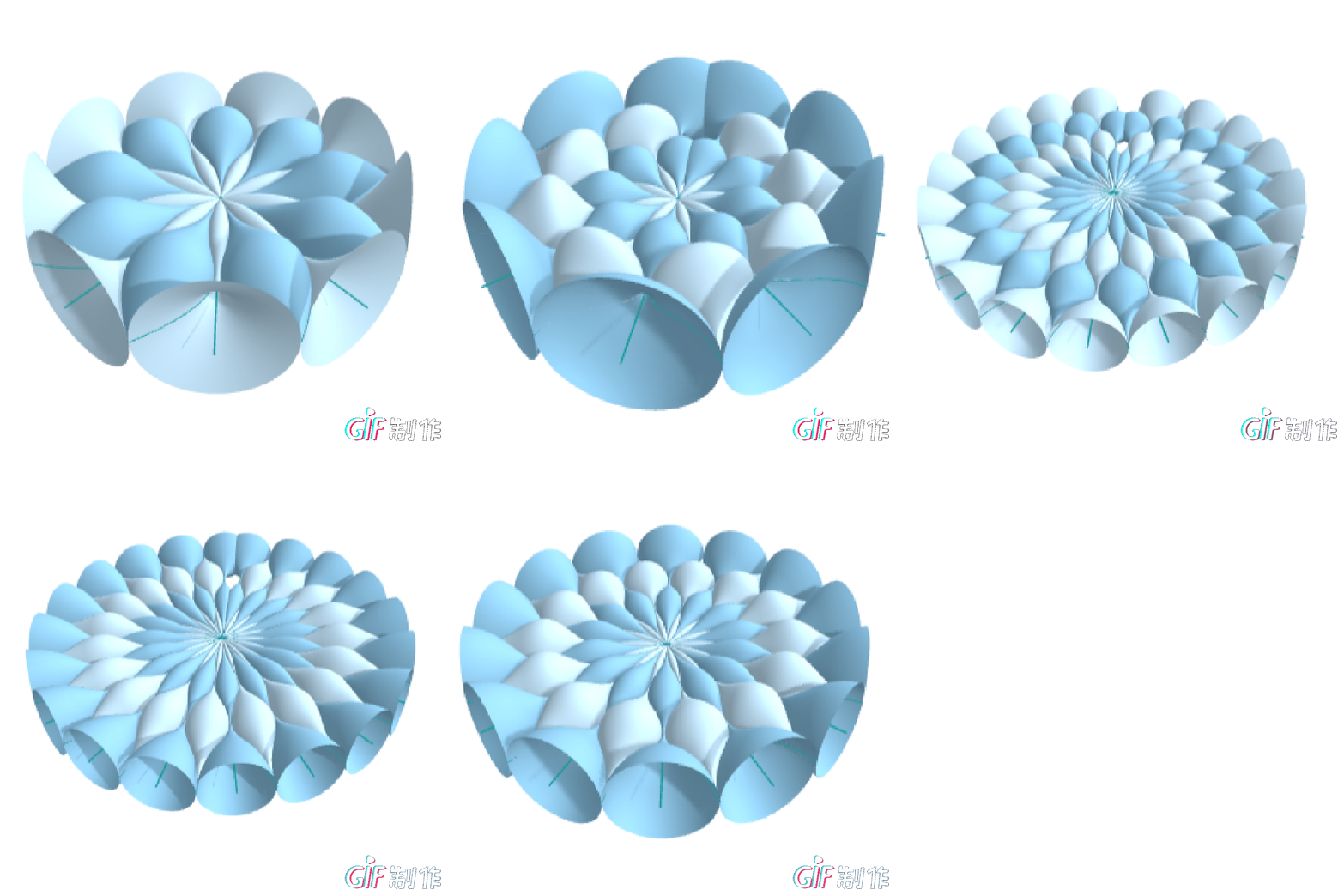
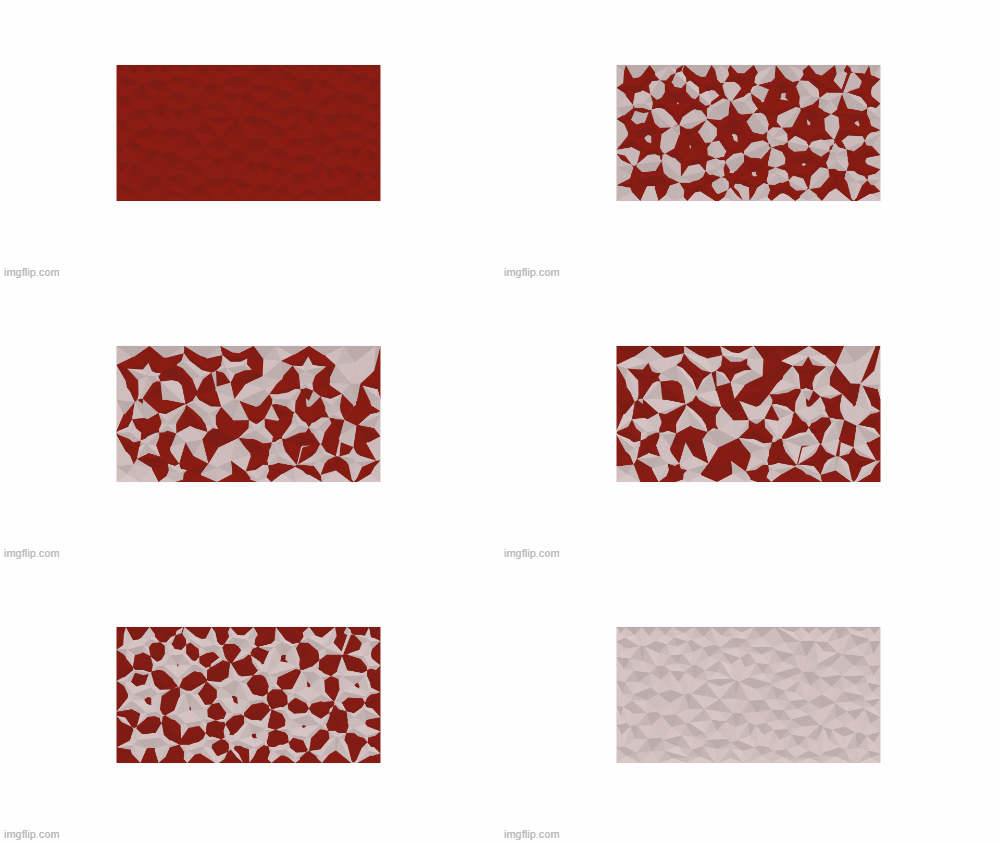
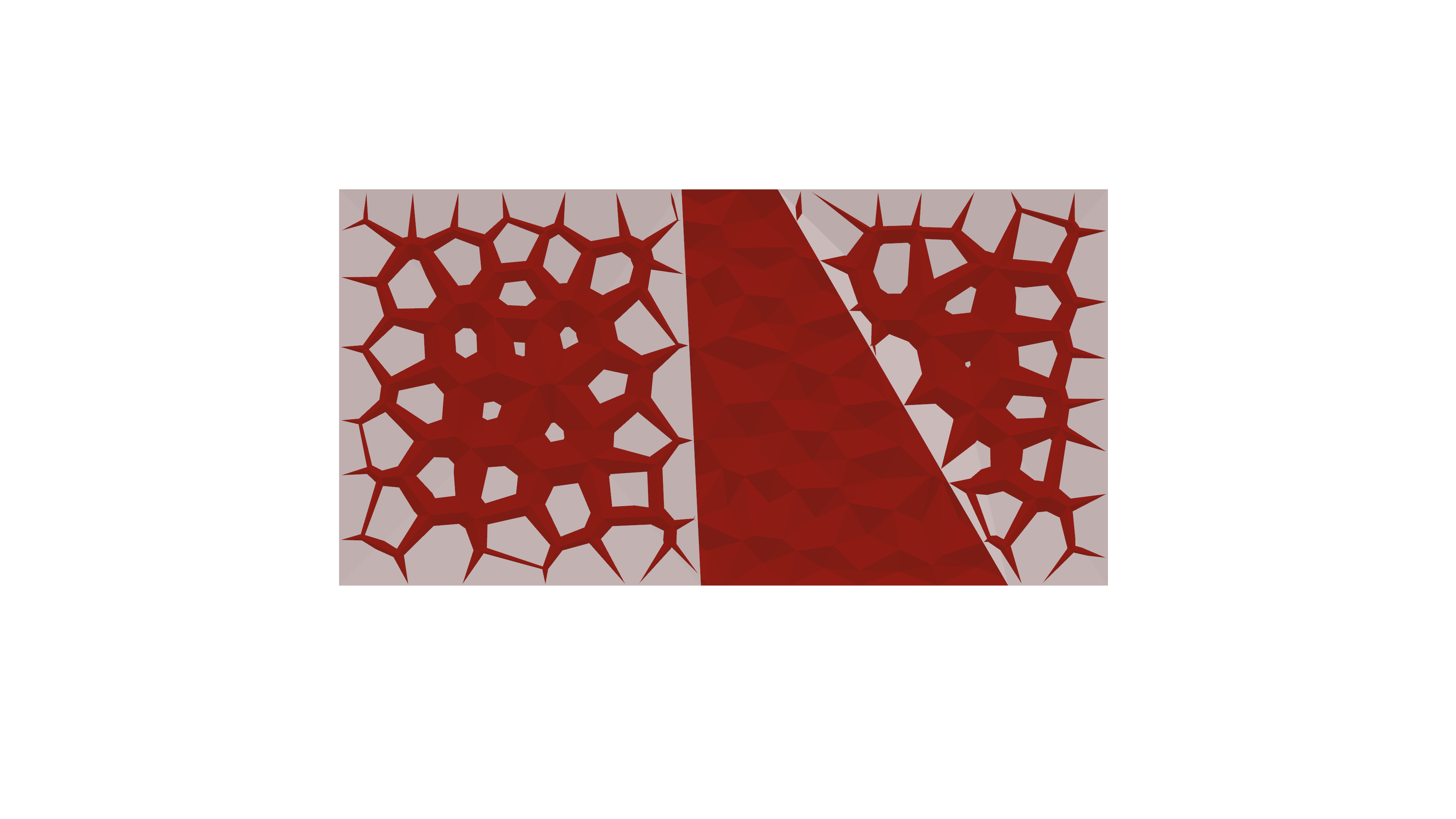
In my current 2 D project, I am crafting a versatile wall panel designed for use as an acoustical element in movie theaters. The process involves transitioning from a basic triangular shape to extracting the central point, thereby generating compelling three-dimensional forms on the wall.

The followings are the steps that I took to reach the final product.

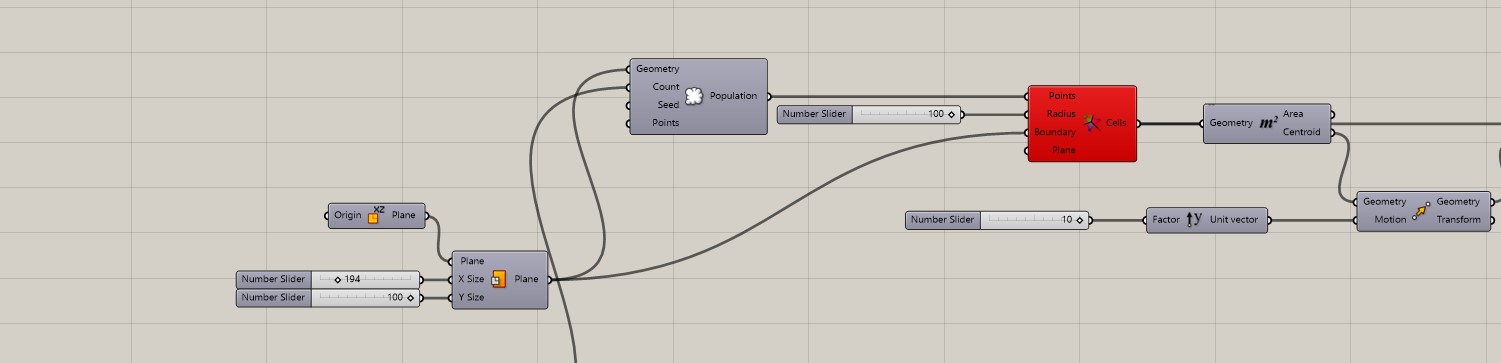
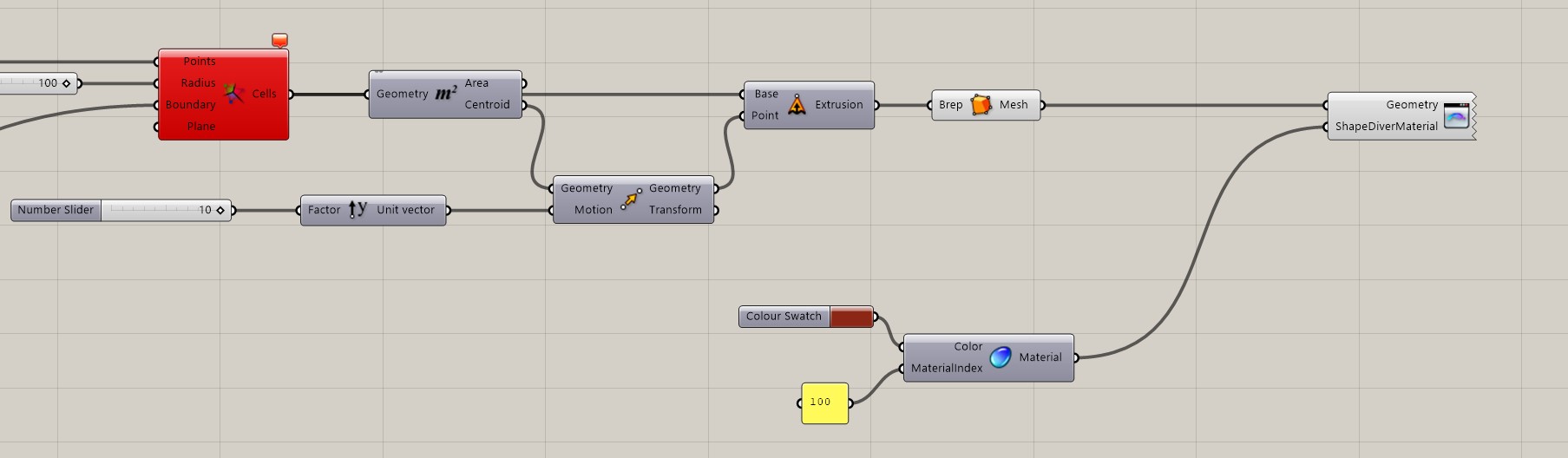
  1. Plane with X and Y Number slider to create a size of 7 width x 5 height.
  2. Used the population components with geometry from the plane, and also different number of counts
  3. Use Voronoi components.
  4. M2 to extract the center and area.
  5. Created a vector extrusion to Unit Y (number sliders)
  6. Geometry extrusion- mesh
  7. Copy all of the above and place on top of each part.
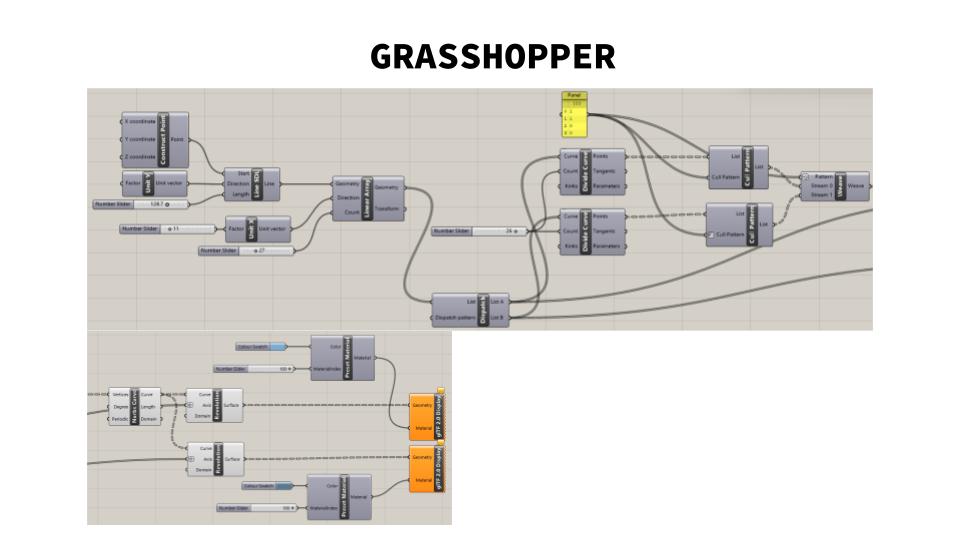
  8. Create result slider a and b for both sets to have 100 of iterations. (Please reference the following image to following the above instruction.)
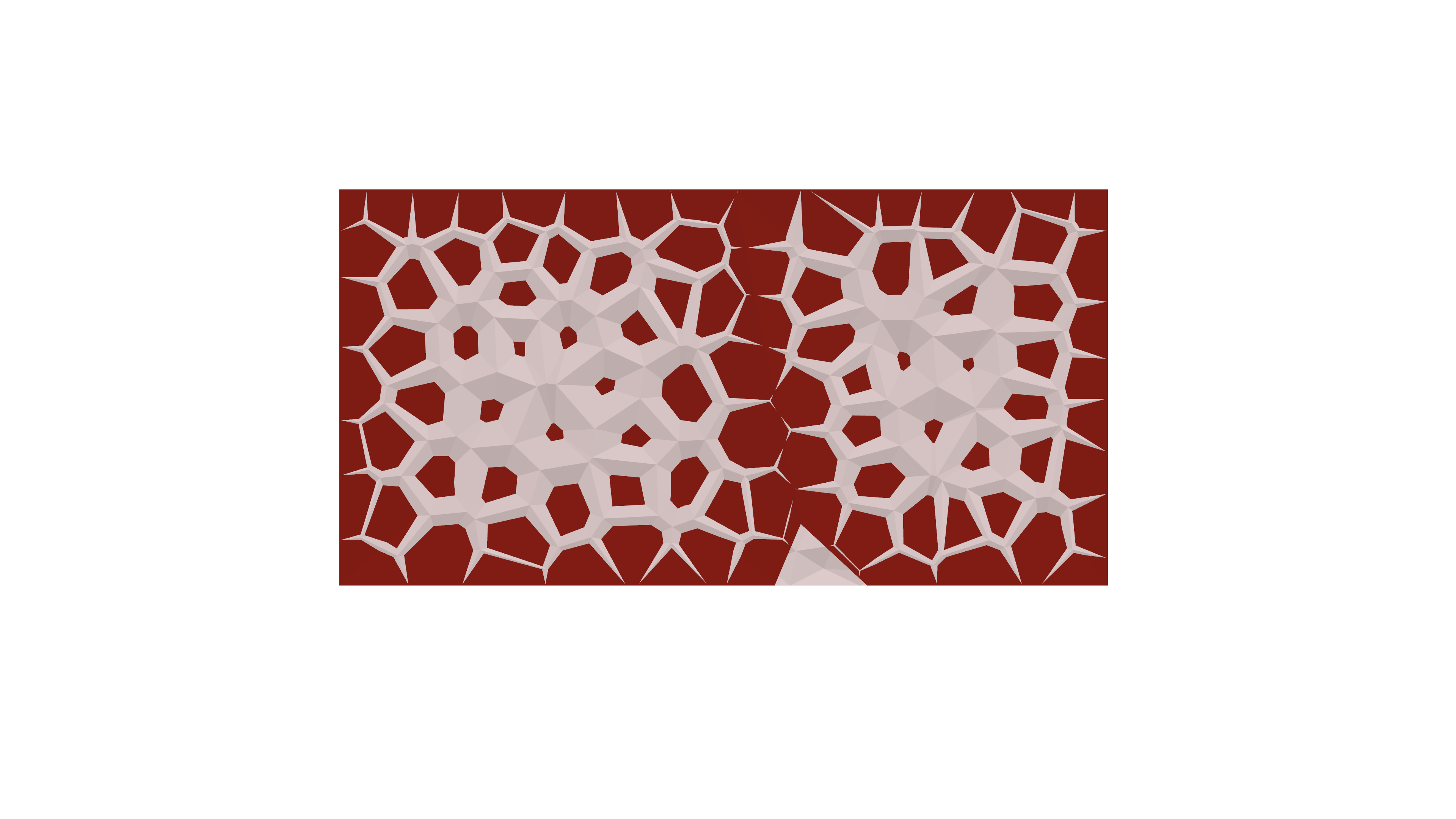
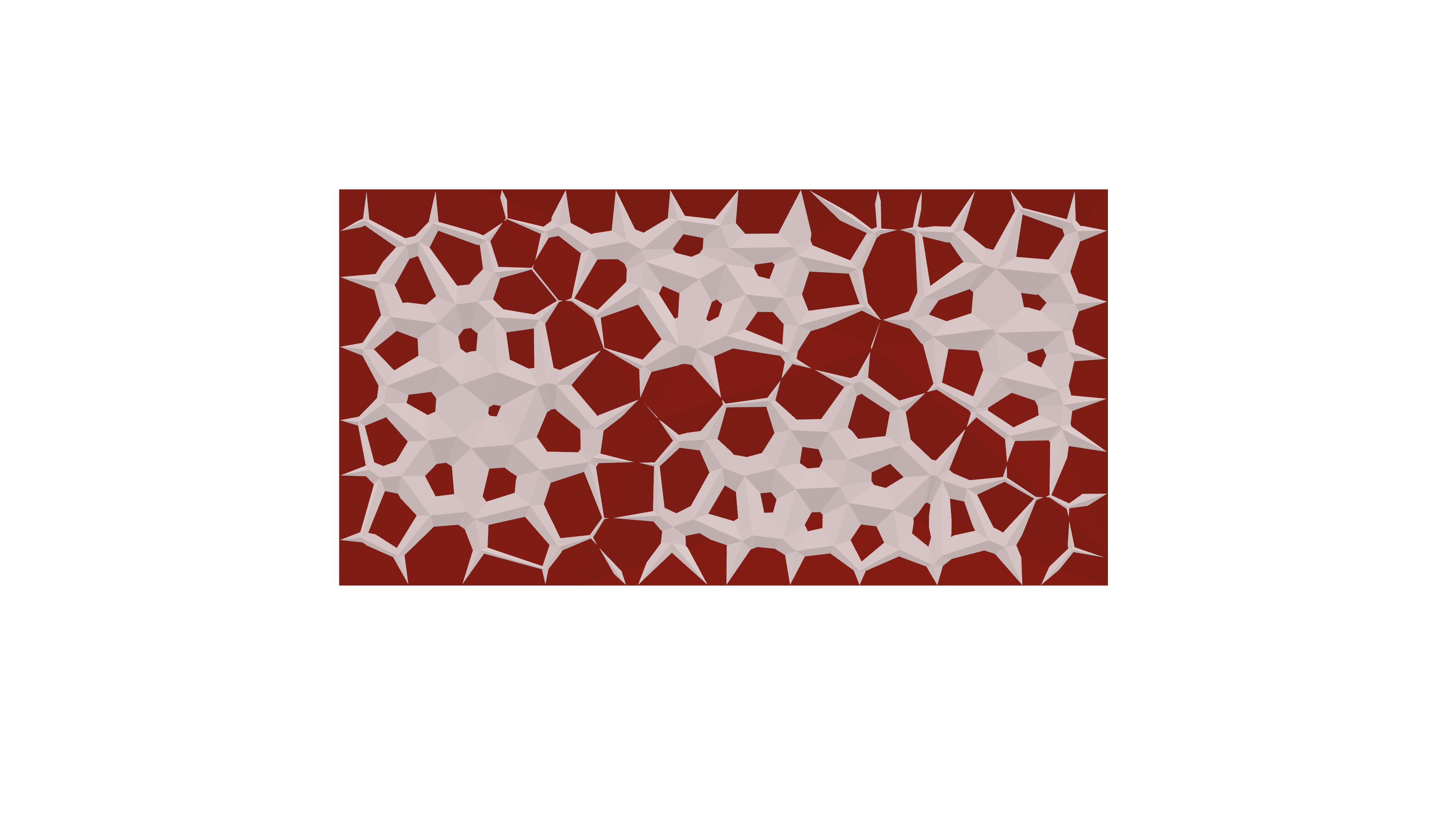
  9. Shapediver materials are used to create contrast between two different panels.

Grasshopper script

Shapediver QR code TWO DIFFERENT SHAPES

Rhino Image and Final product Image

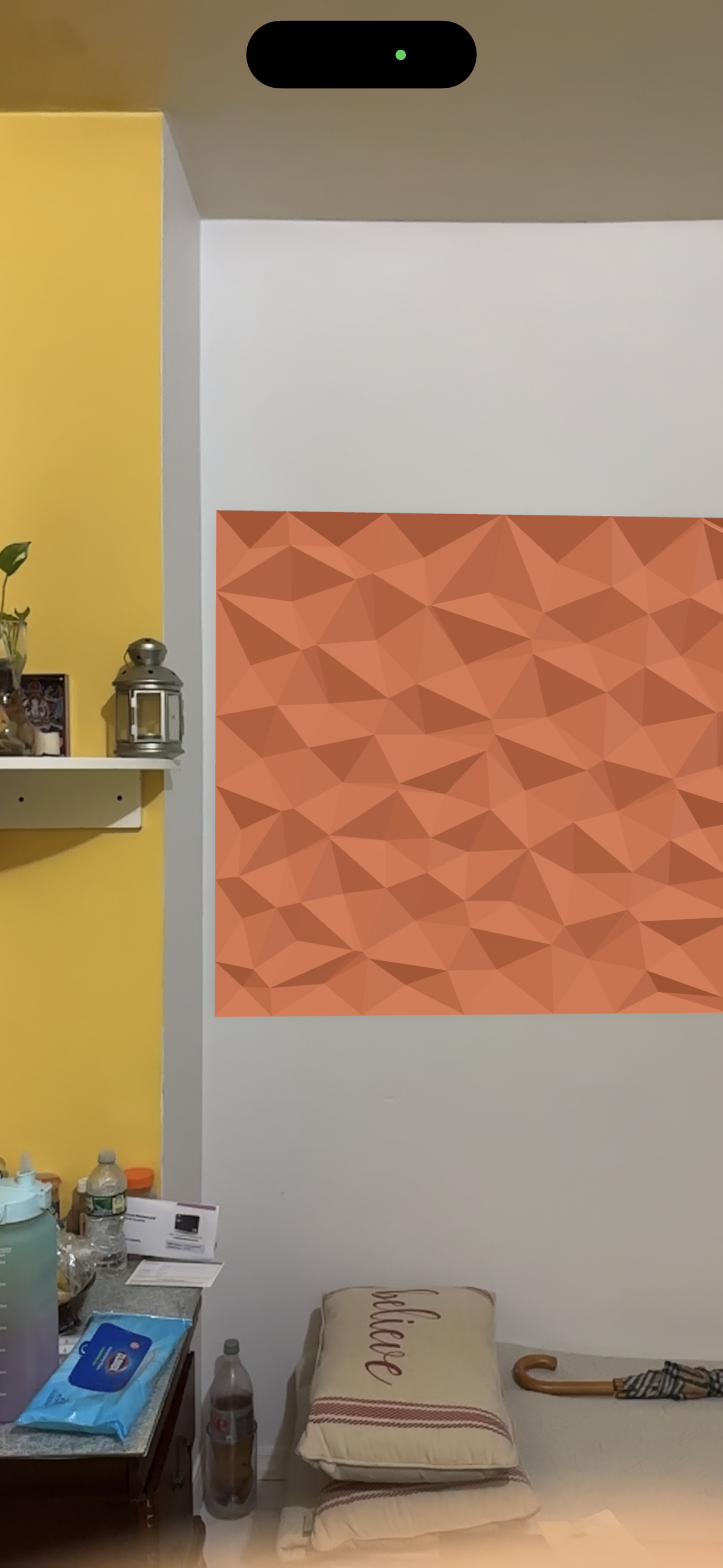
Thank you for tuning in! The script follows a straightforward progression, evolving from a basic grid to a more intricate shape. The fundamental concept here is that every intricate form originates from simple geometries. Stay tuned for upcoming updates, as another exciting project is on the horizon. the following are real life application.

interior application

Hello World!

Hi everyone! My name is Katy O’Connor, and I am a second year graduate interior design student.  Right now, my thesis is heavily concerned with textiles, so I’m hoping this class helps me learn to better create patterns, and utilize machines to help cut patterns as well. I lean heavily on my craft, so it would be nice to speed up certain processes wherever possible.
2D Patterning | Weaving Research| Xianjie Du

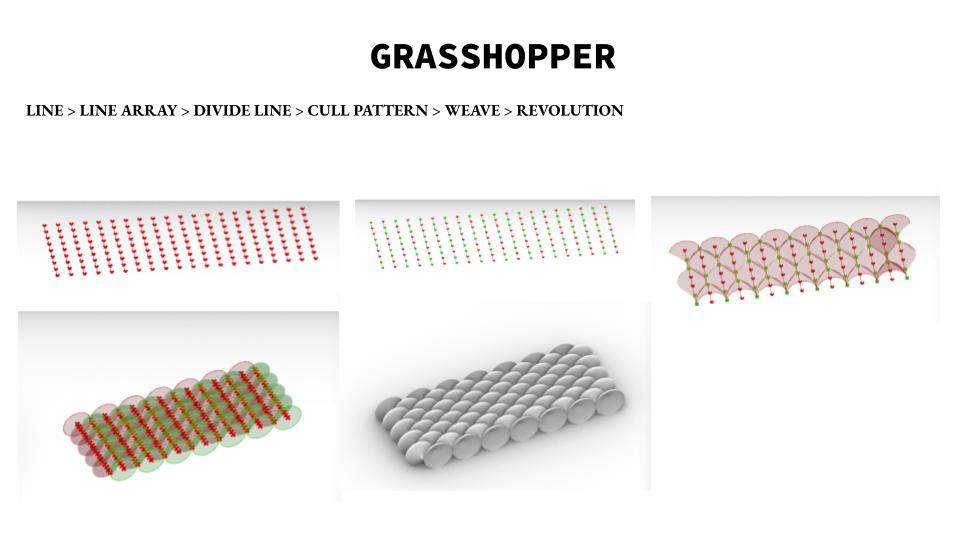
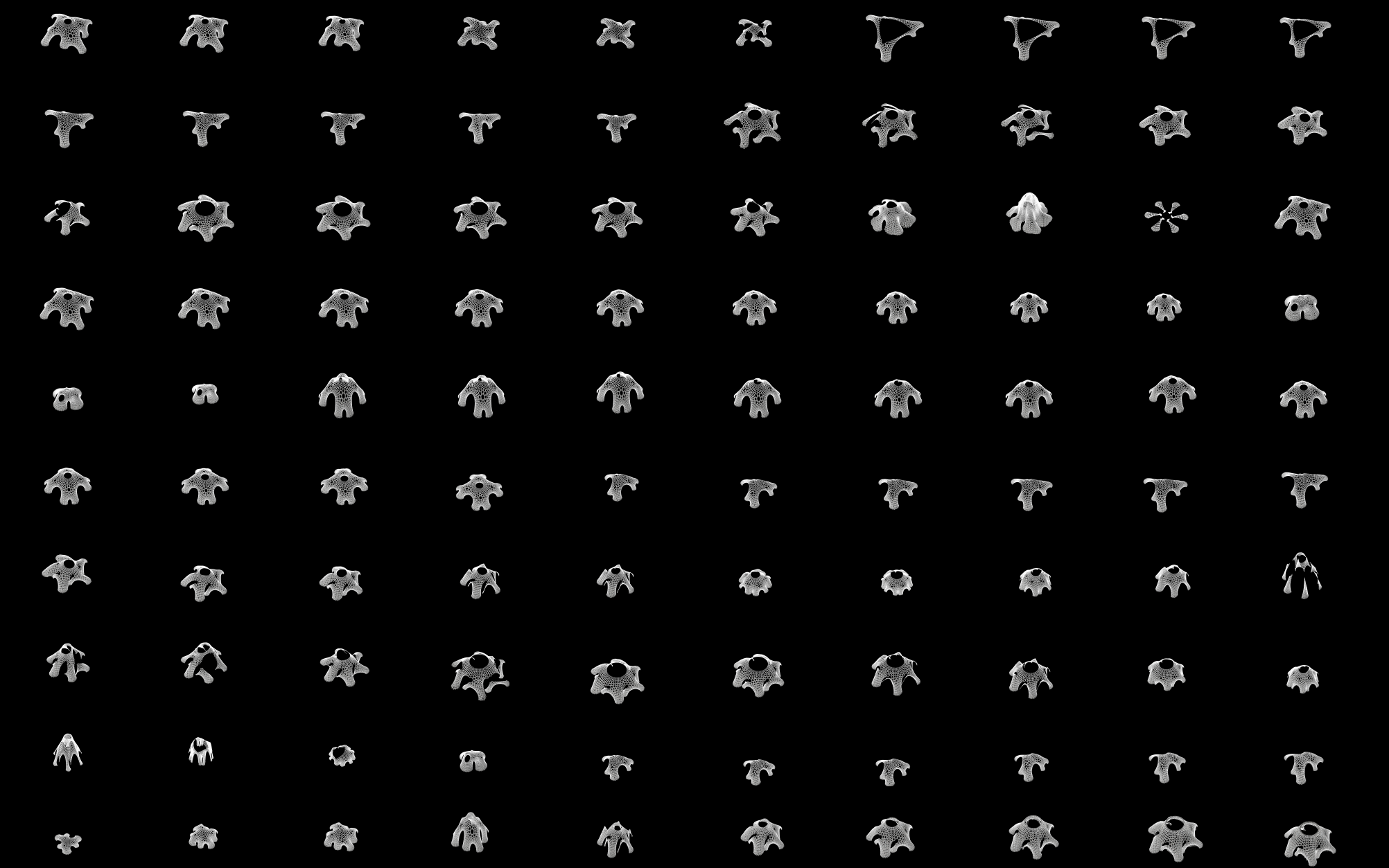
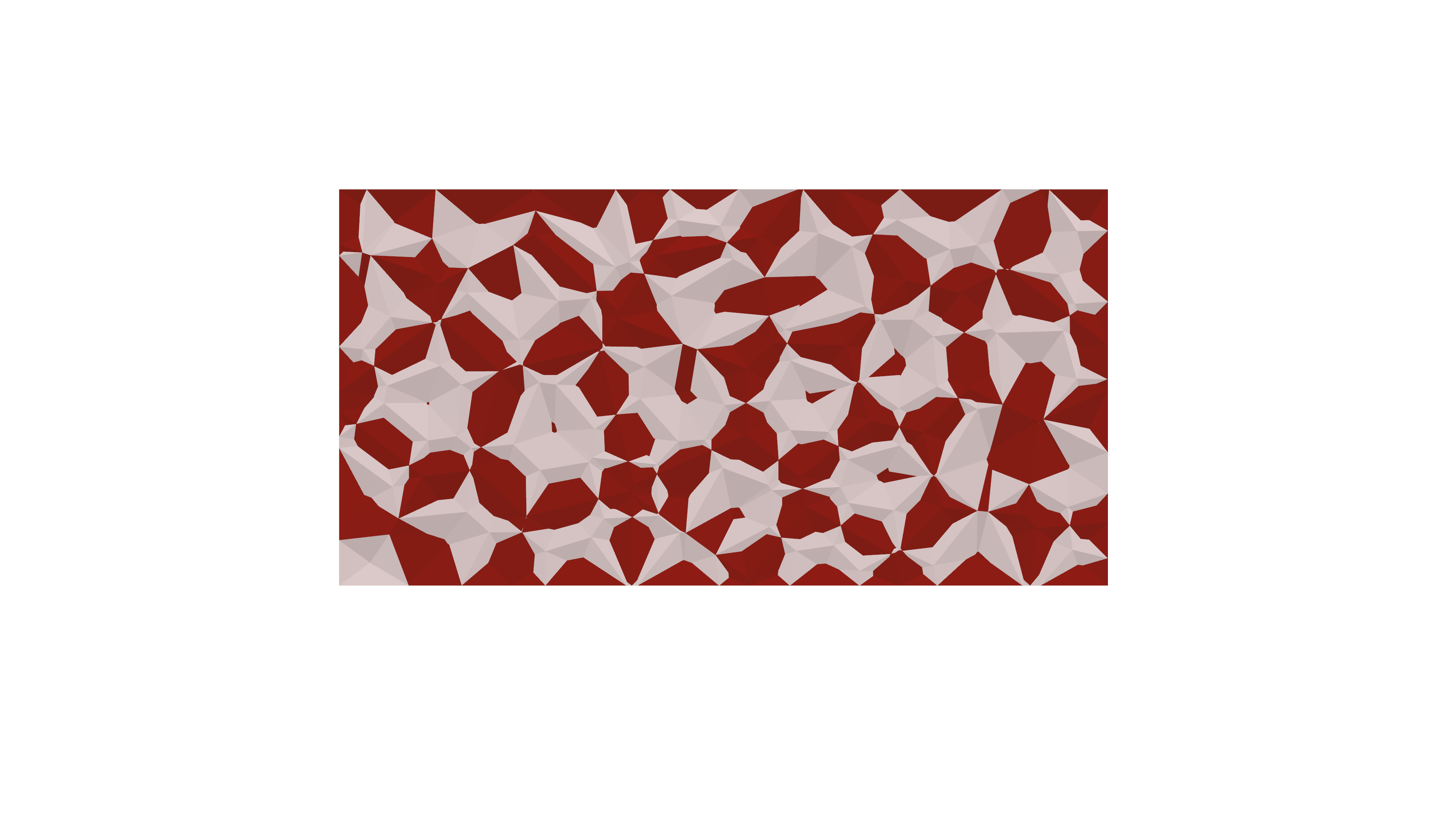
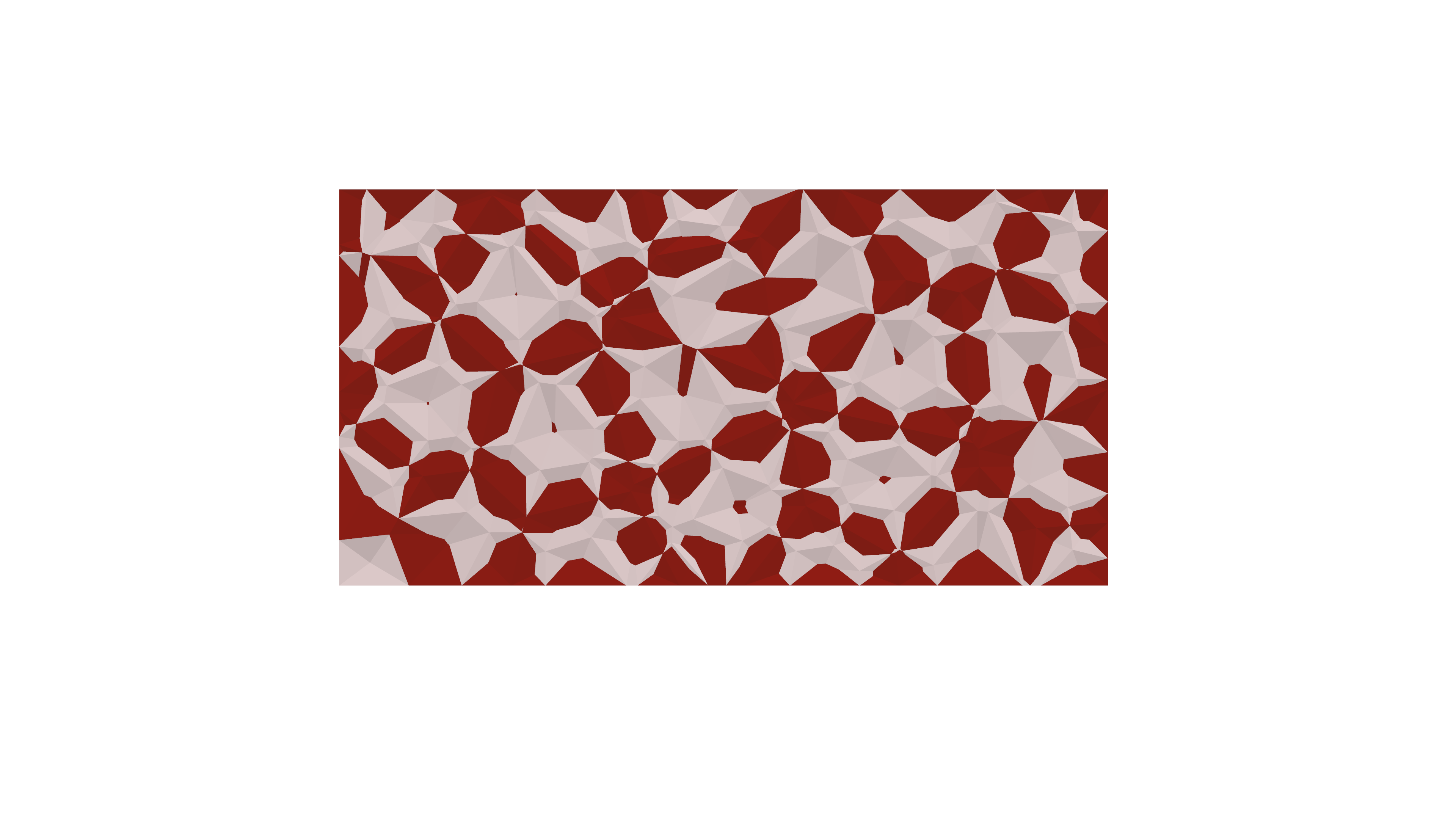
For my 2D printing project, I try to explore weaving shape on the Grasshopper. The weaving pattern is repeating and with lines weave to surface. The logic for weaving is LINE > LINE ARRAY > DIVIDE LINE > CULL PATTERN > WEAVE > REVOLUTION. Then change the LINE ARRAY to POLAR ARRAY.

The tutorial video is: https://www.youtube.com/watch?v=P5ppt-RN-Kk Grasshopper Tutorial || METAL weaving sheet.

Hello World

I’m Irene from our class. I’m a graduate interior design student. I’m alway very interested in organic and parametric structure, and knowing how to model them would efficiently will be very helpful for my projects. Looking forward to gaining new skills with everyone in the class!

Fall 2023 Product Families assignment

The Fall 2023 Product Families assignment can be found here! We’re trying a different format this year: a quicker design exercise (4 weeks) with an extended window for physical print delivery (by the end of the term) to allow students time to iterate with the printers on campus

https://docs.google.com/document/d/1v8mPgVqqitElhuHMfxXNKAOBif3B654-axxR-qaHAsI/edit?usp=sharing

20231001 | Assignment 01 – 2D Patterning | Fang-Ting Lee

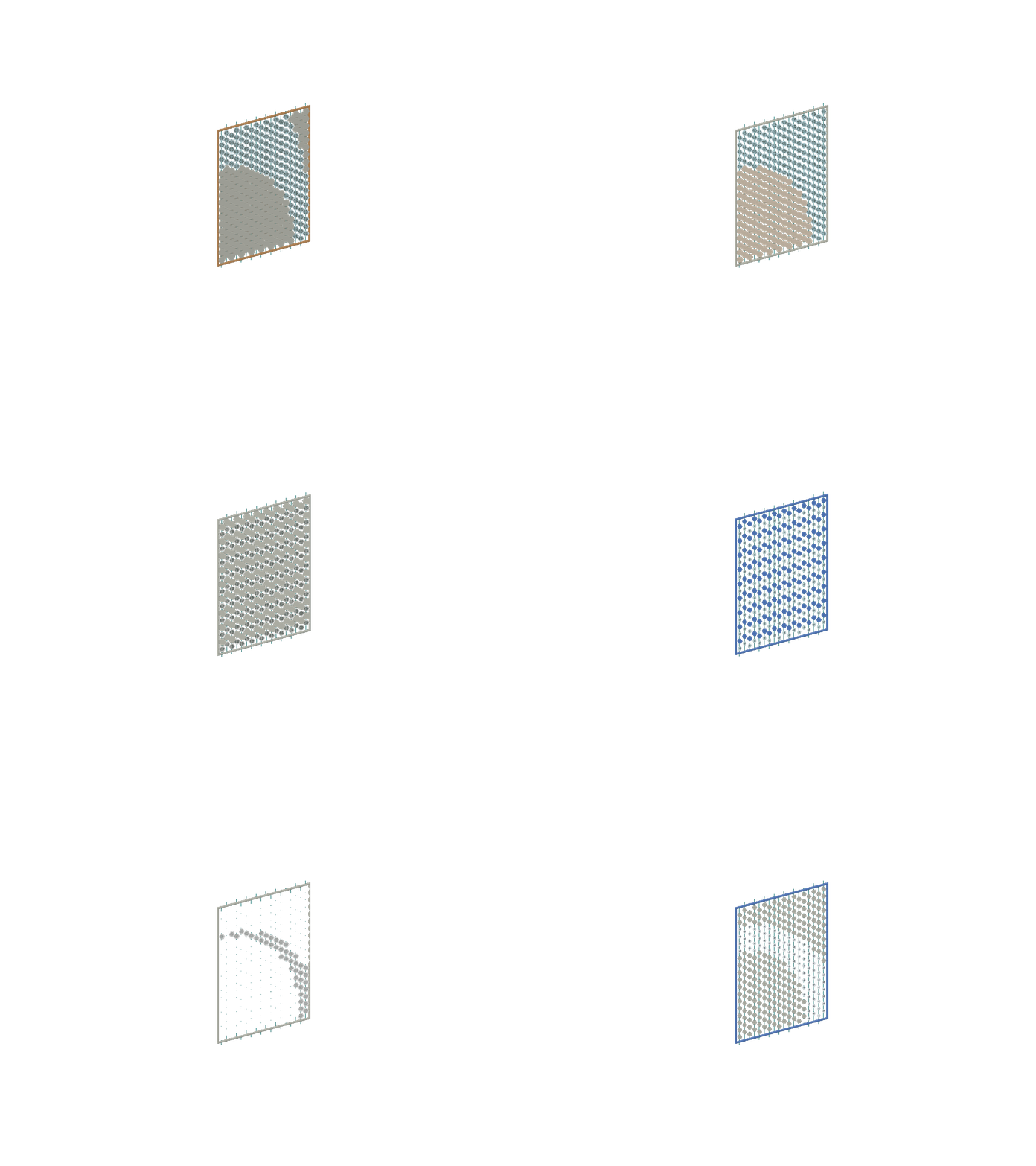
For my 2D patterning project, I decided to create a modular wall with hexagon shaped pieces that can rotate at different angles. I adjusted the patterning and materiality of the different hexagon pieces to create the following 50 renderings.

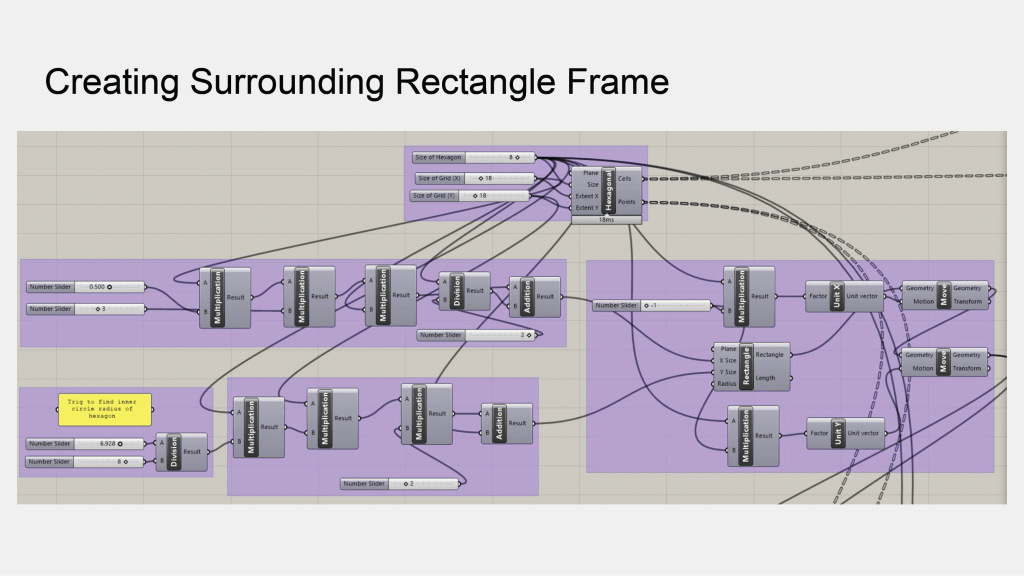
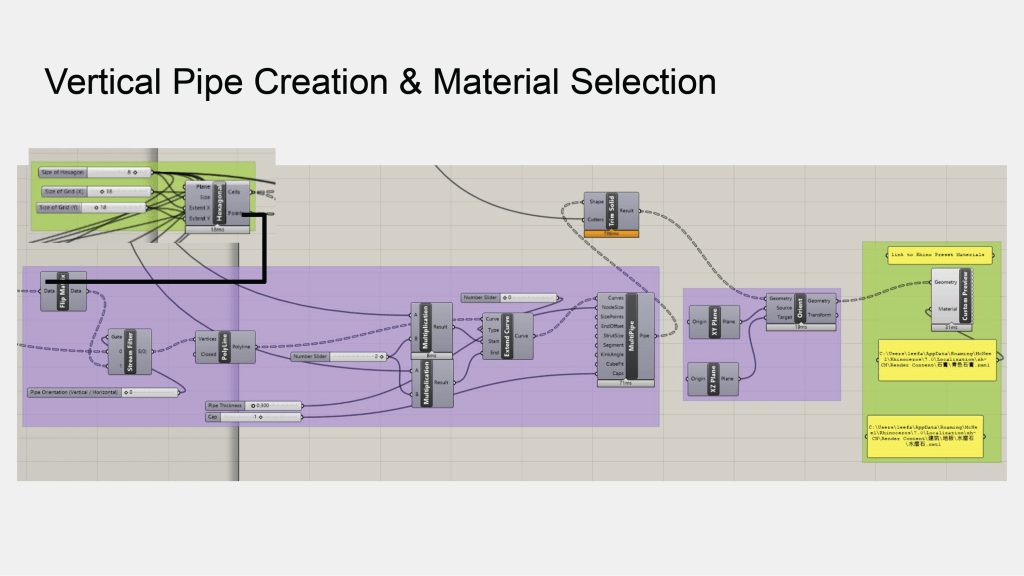
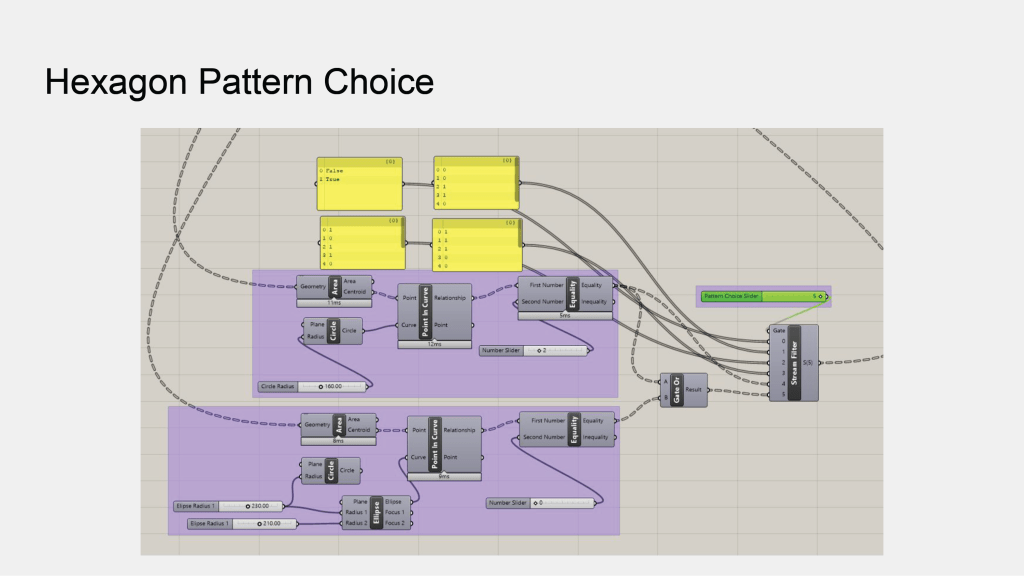
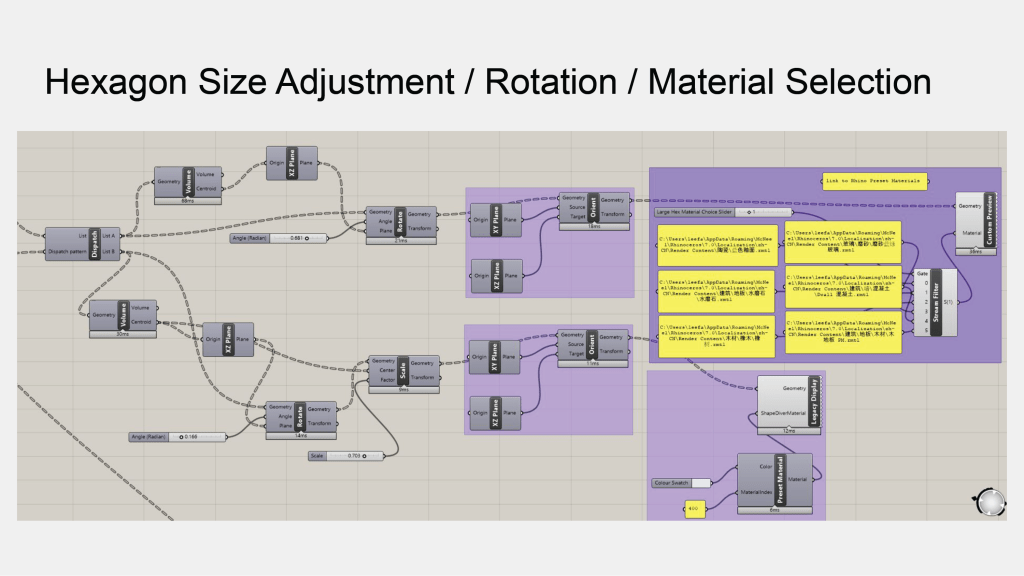
My script consists of the following components :

  1. Hexagon grid (base)
  2. Parametric Rectangle Outer frame (calculated to wrap around the hexagon grid)
  3. Vertical Pipes (also based on hexagon grid)
  4. Hexagons (Rotate along vertical pipe, rotation angles, size, materials can all be adjusted)
  5. Hexagon Patterns