These are four ideas of forms that I can explore for the form finding part of this assignment:

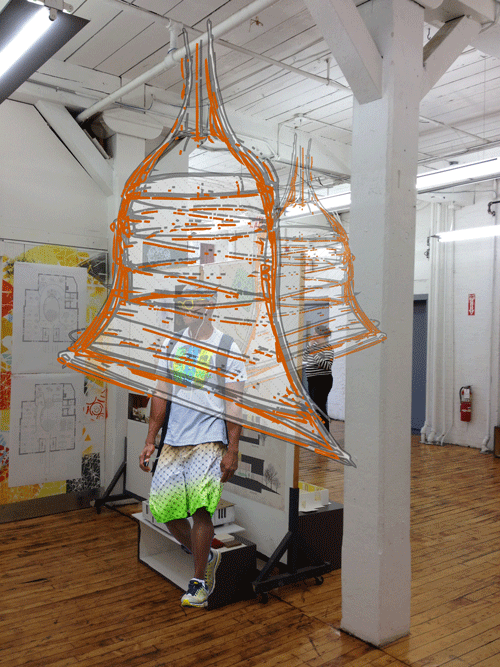

These are four ideas of forms that I can explore for the form finding part of this assignment:
If a is larger than b, than do c… (I think??)

GIF files from the parametric truss exercise. Is there a way to animate a Multidimensional Slider (MD Slider)?

1. Fillet Radius Slider
. 
2. Offset Distance Slider
For the parametric seating project, I used Marc Newson’s wooden chair for Cappellini as my parent: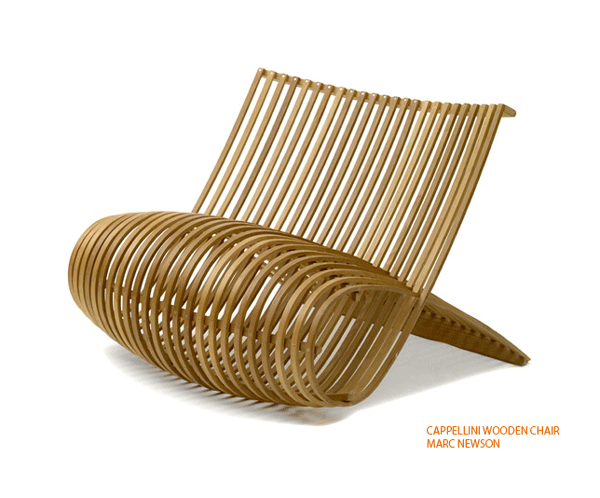 I started by using the surface model I had made in Rhino and referencing it into Grasshopper (I later built two alternate surface models and also referenced them into Grasshopper).

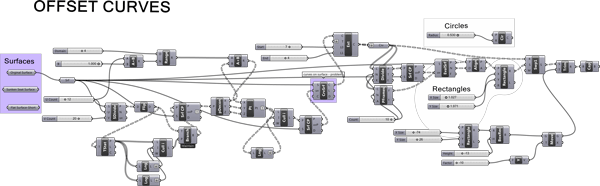
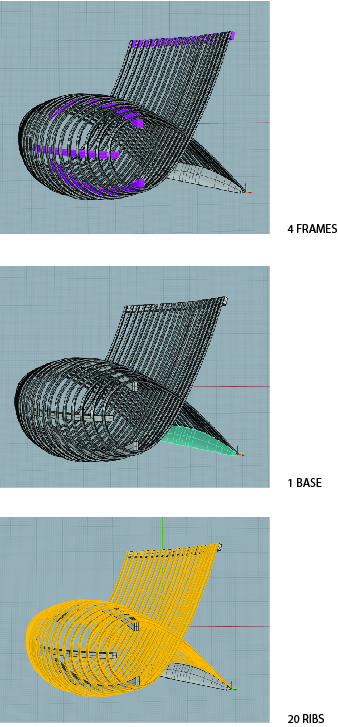
From there I made 4 blocks of code. 1 for the ribs, 1 for the base, and 2 for the horizontal supports:


Below are images of my final Grasshopper model:
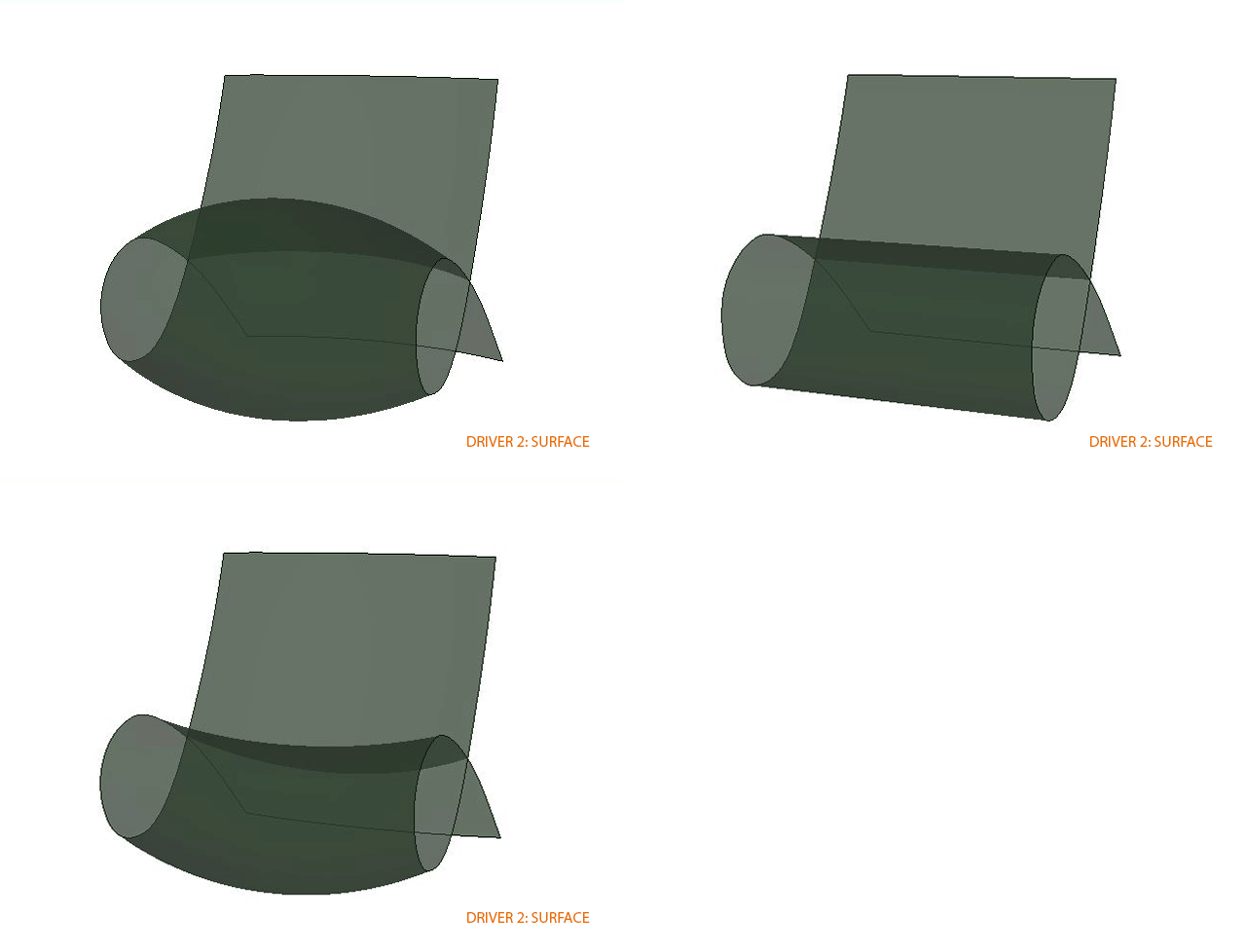
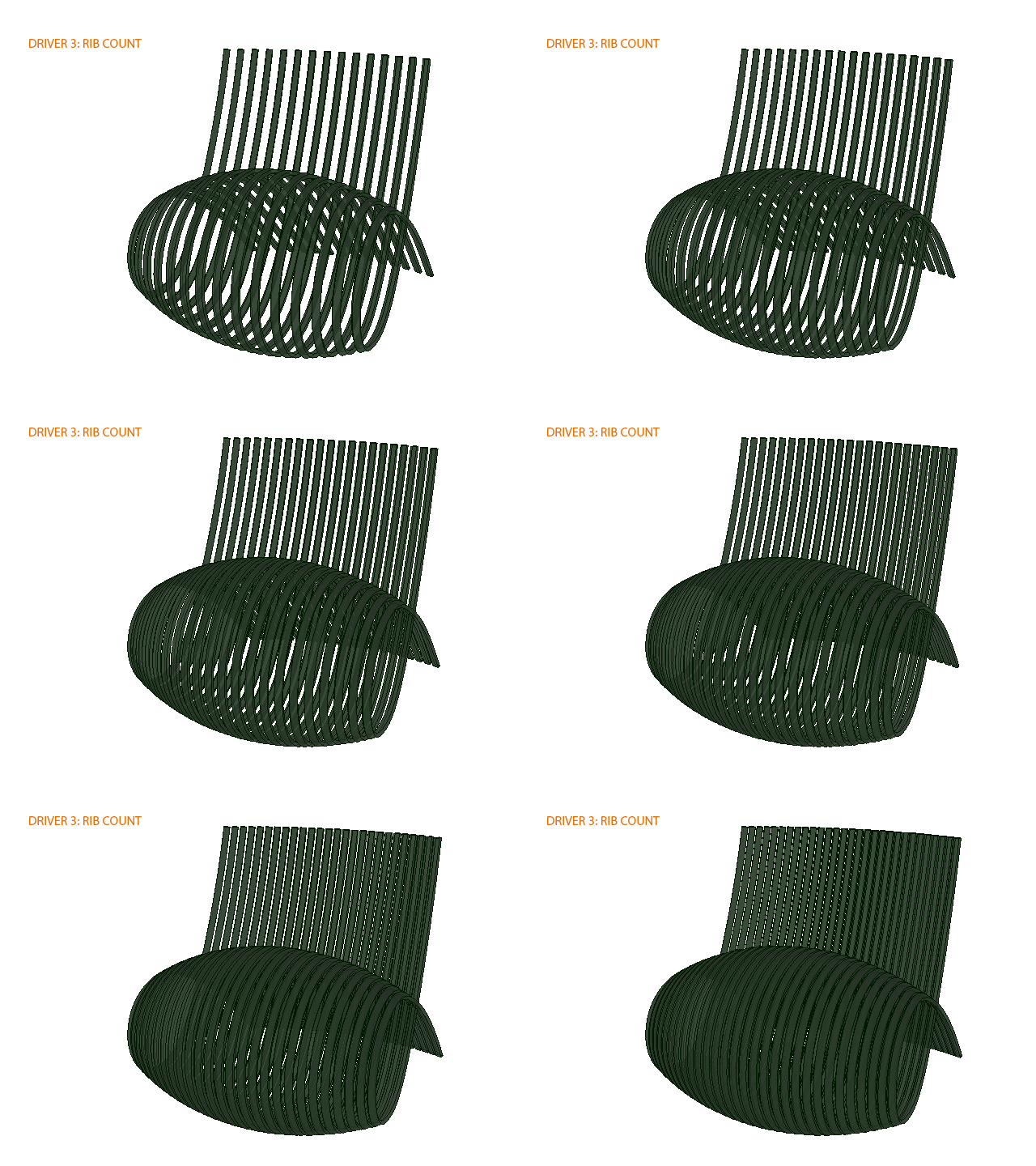
While building my Grasshopper model, I kept the following 4 design drivers in mind and make sure those elements remained parametric:

(this second GIF doesn’t work in preview, but click on the image above and it will open in a separate window and run correctly!)

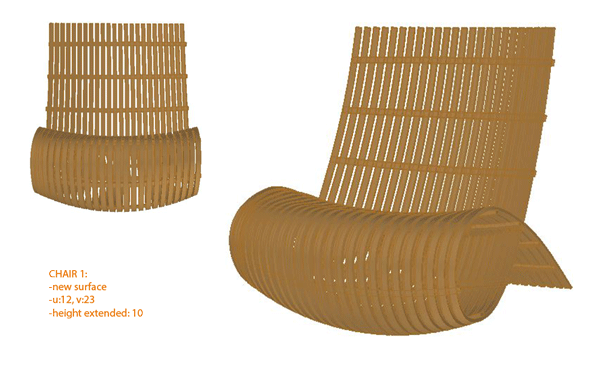
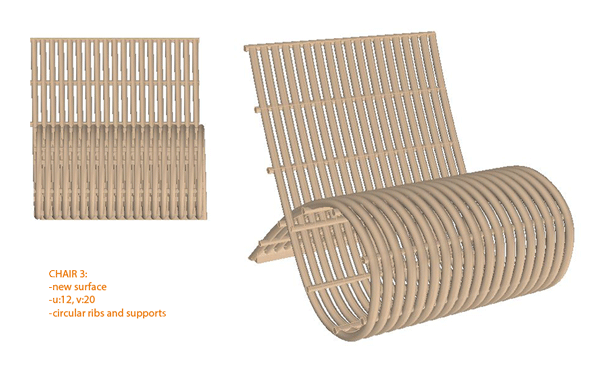
Using the above design drivers, I created 5 variations to the original parent:



For the parametric seating assignment, I choose to work with Marc Newson’s wooden chair for Cappellini.
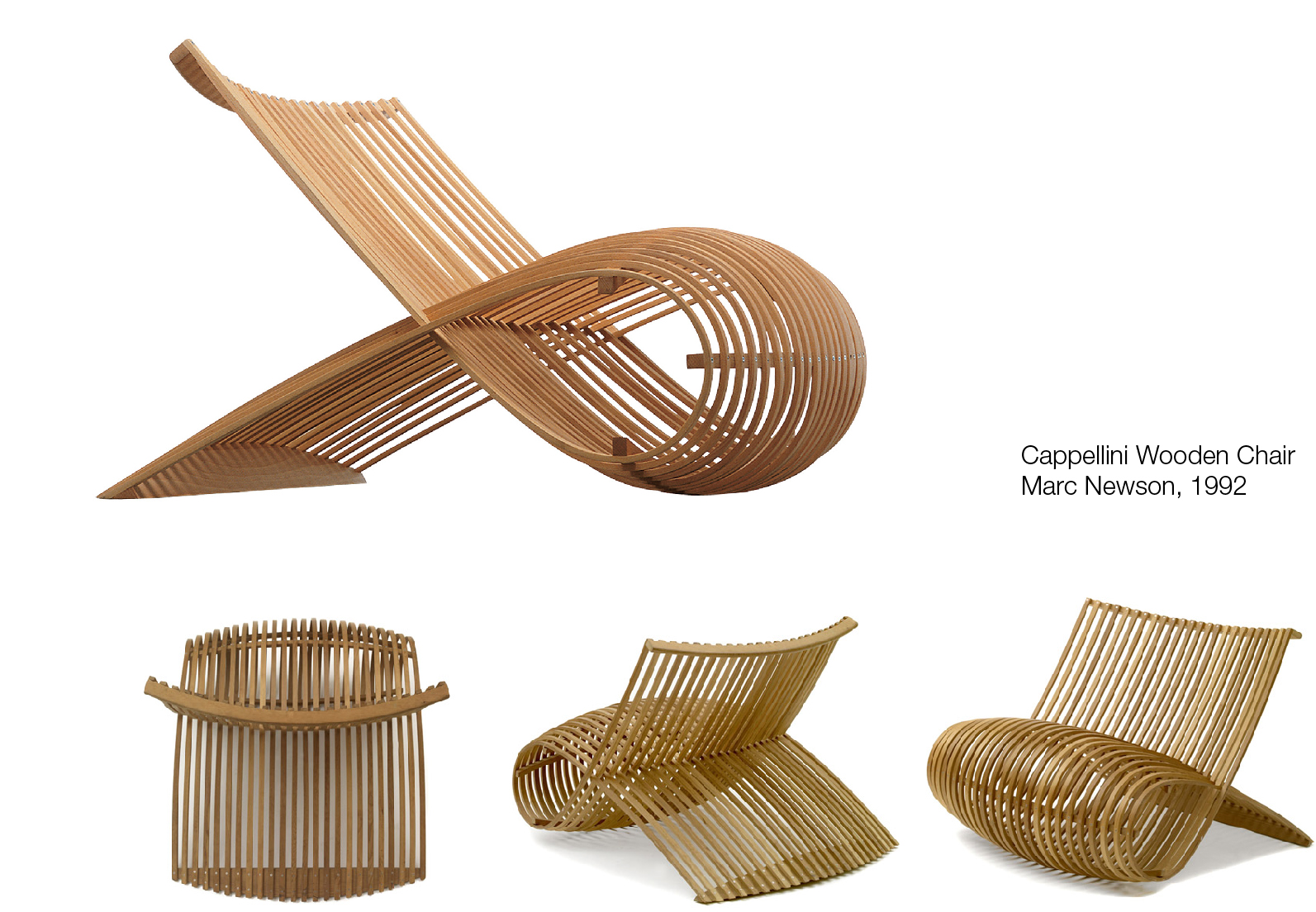
The chair is made of 3 parts: a curved, triangular base; 4 curved rectangular frames; and, 20 ribs, each a different size.
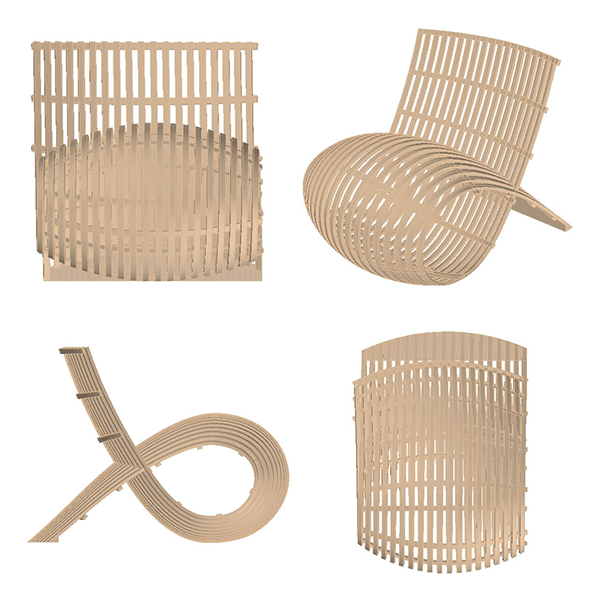
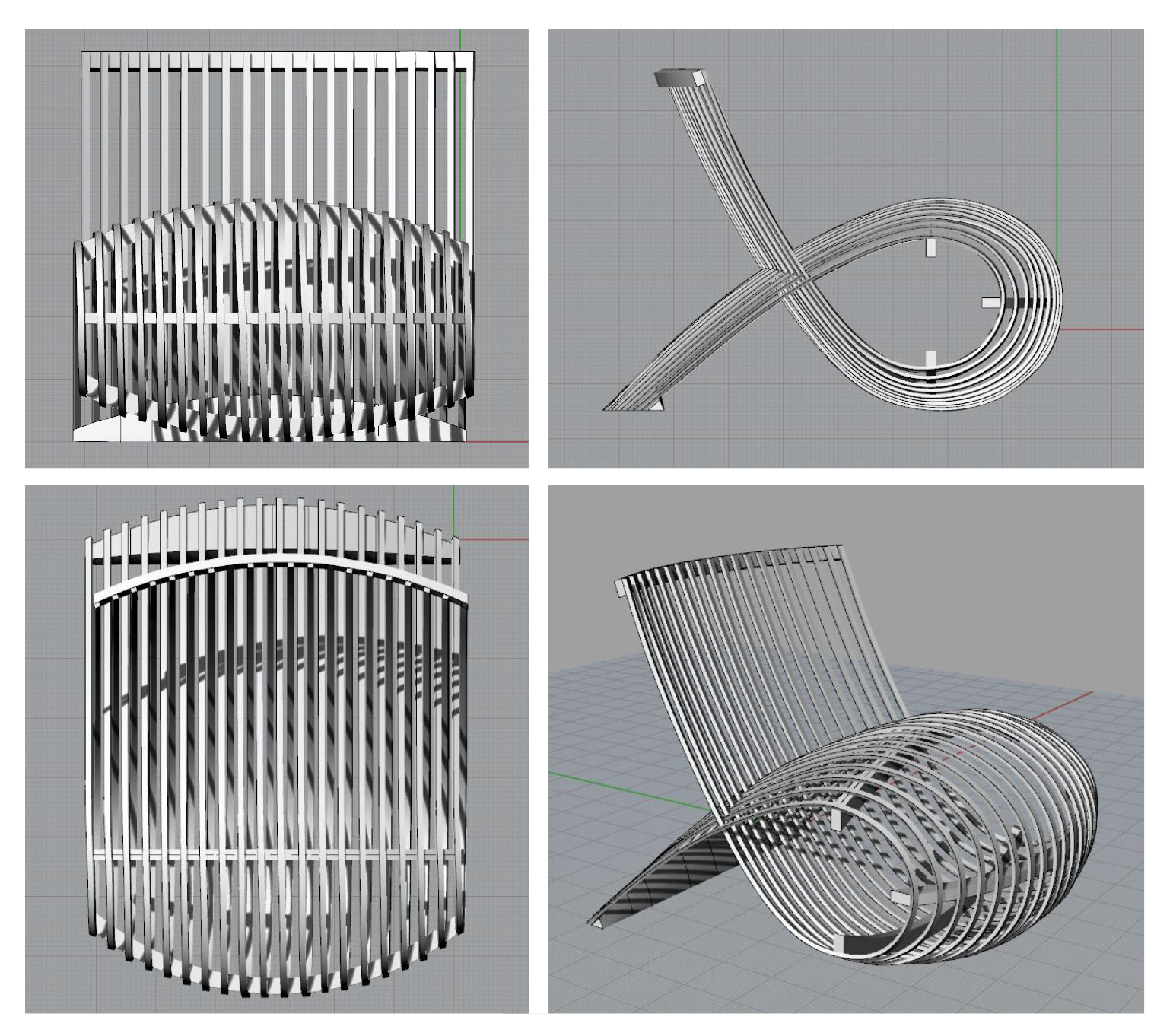
In Rhino, I drew the curved line for each piece of ribbing and swept a rectangle along it. For the frame, I used arcs and rectangles along with the sweep tool; for the base, arcs and triangles with the sweep tool. Below are 4 views of my model (clockwise from top left: front elevation, left elevation, plan view, perspective):
For the second half the assignment, I will use Grasshopper to explore the following design drivers:
1. BACK HEIGHT
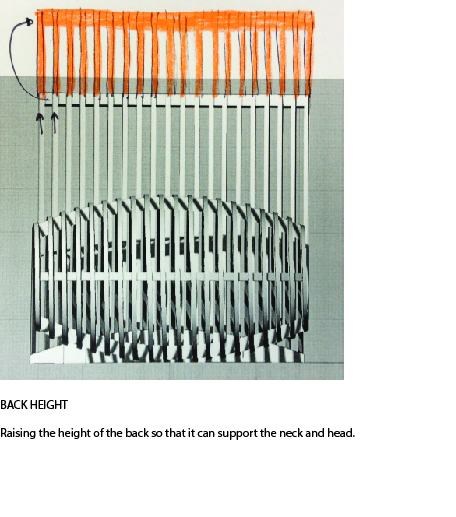
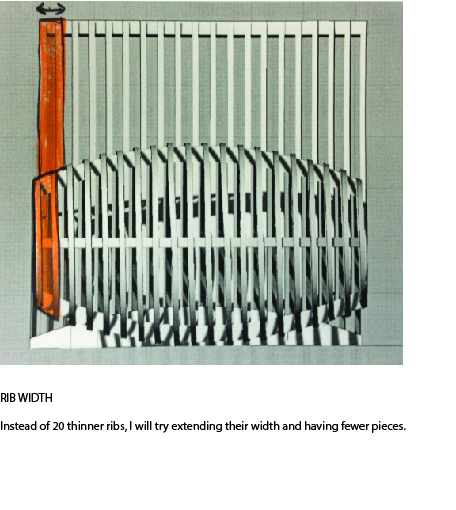
2. RIB WIDTH
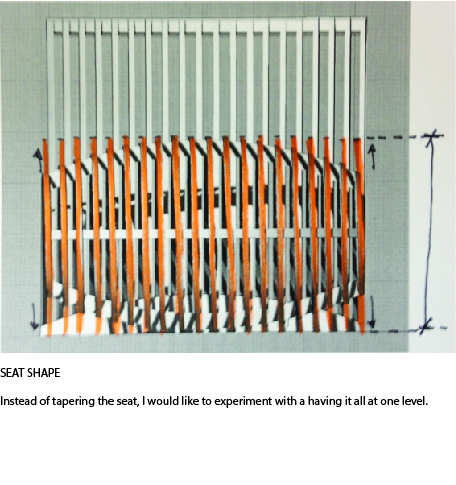
3. SEAT SHAPE
I’m here! – Merav
 Parametrics
You must be logged in to post a comment.