The first assignment of the Fall 2024 semester – 2D Patterning – is available below
https://docs.google.com/document/d/1F6wCFVIjojHPnkOm9W4xilY7_ECTB68l223ZCuLrWOA/edit?usp=sharing
The first assignment of the Fall 2024 semester – 2D Patterning – is available below
https://docs.google.com/document/d/1F6wCFVIjojHPnkOm9W4xilY7_ECTB68l223ZCuLrWOA/edit?usp=sharing
(Updates Oct 29, 2023)
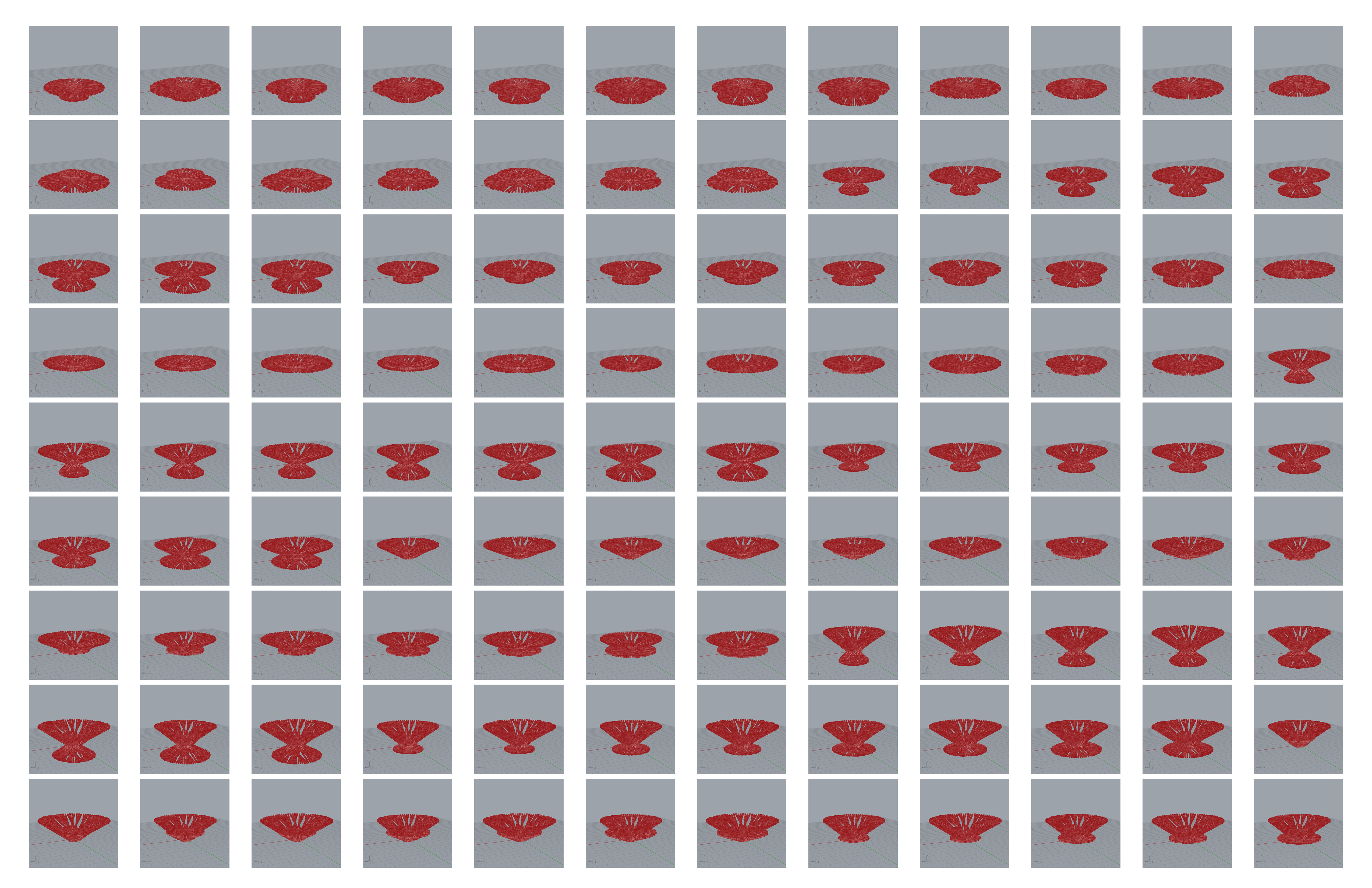
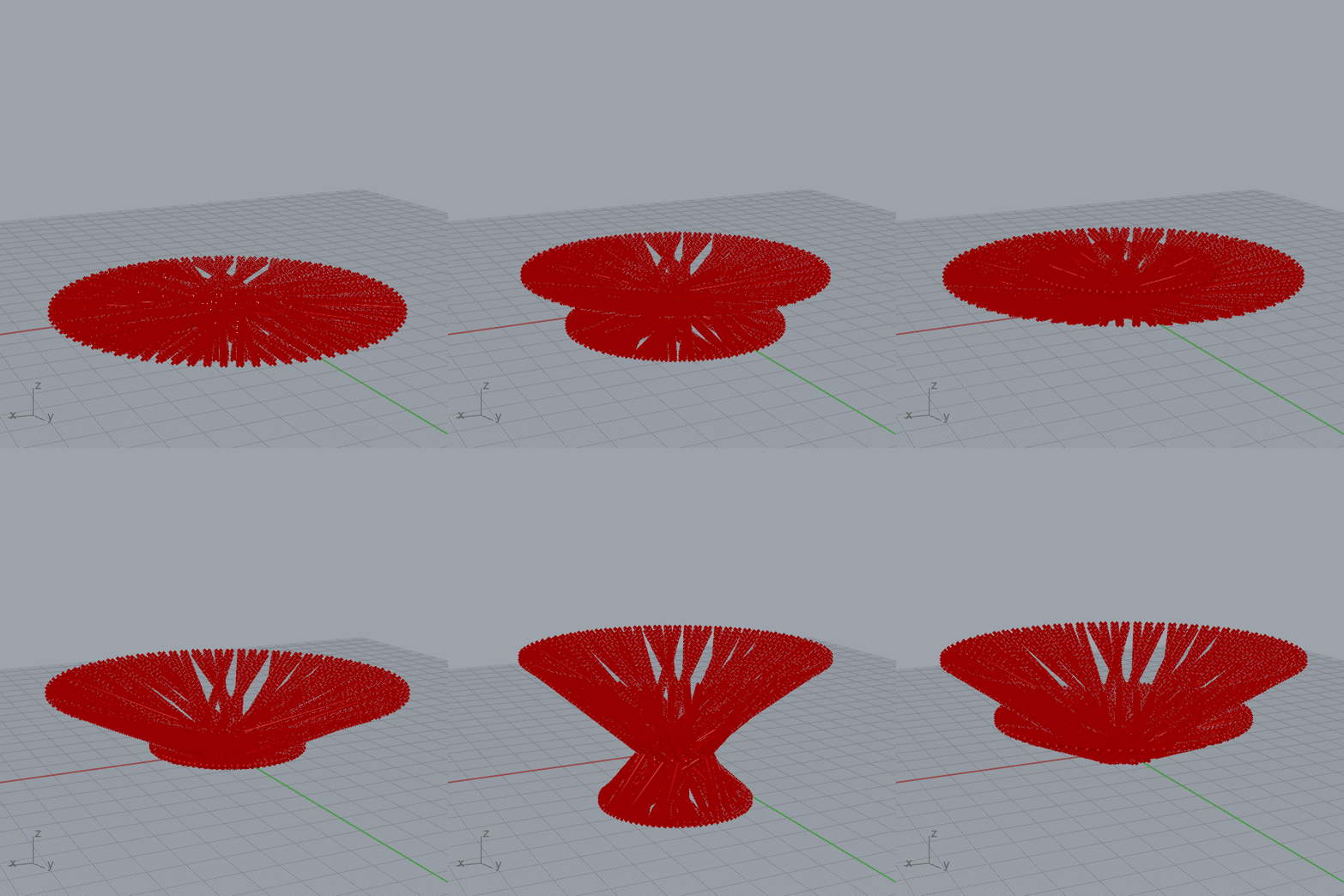
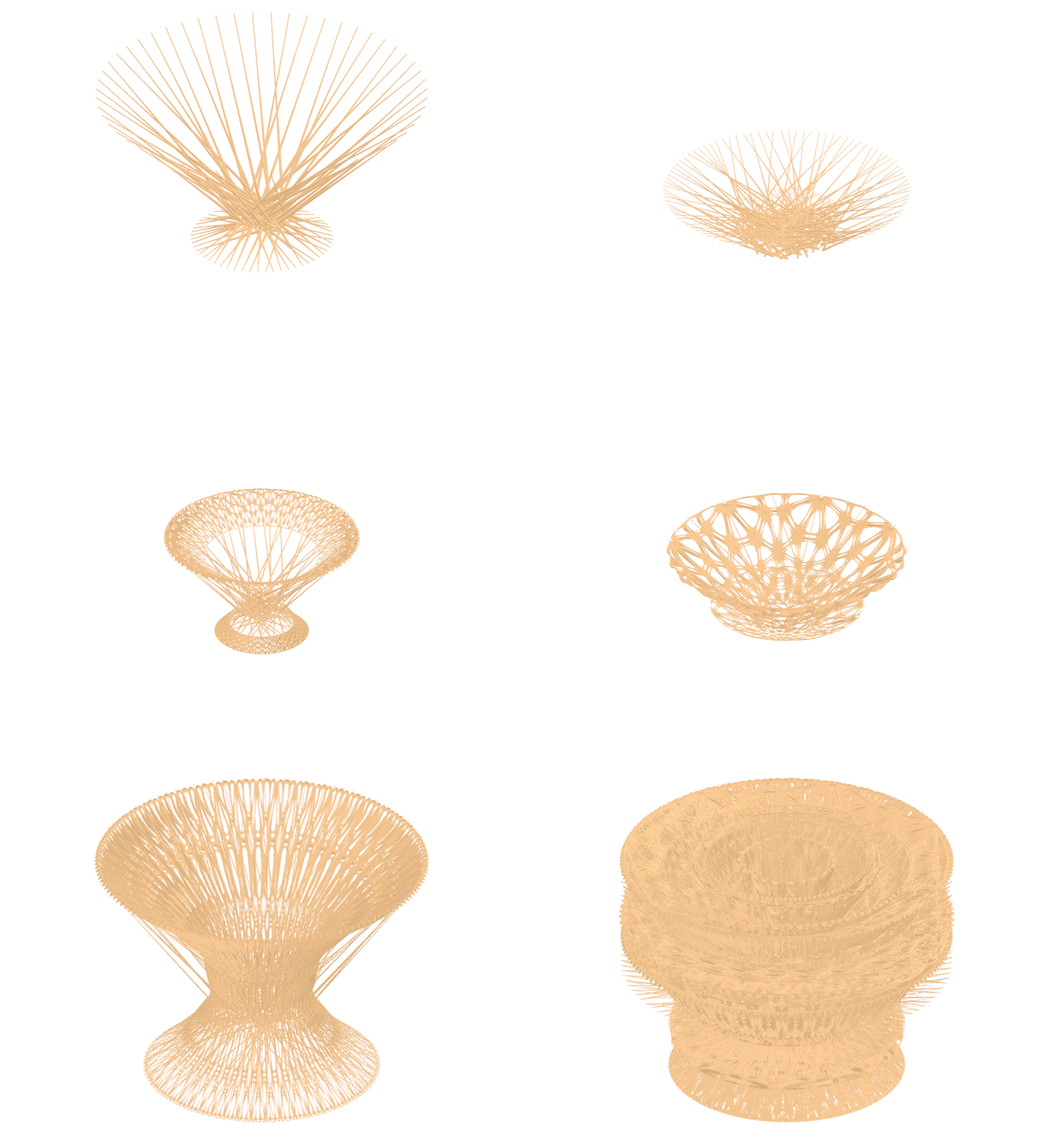
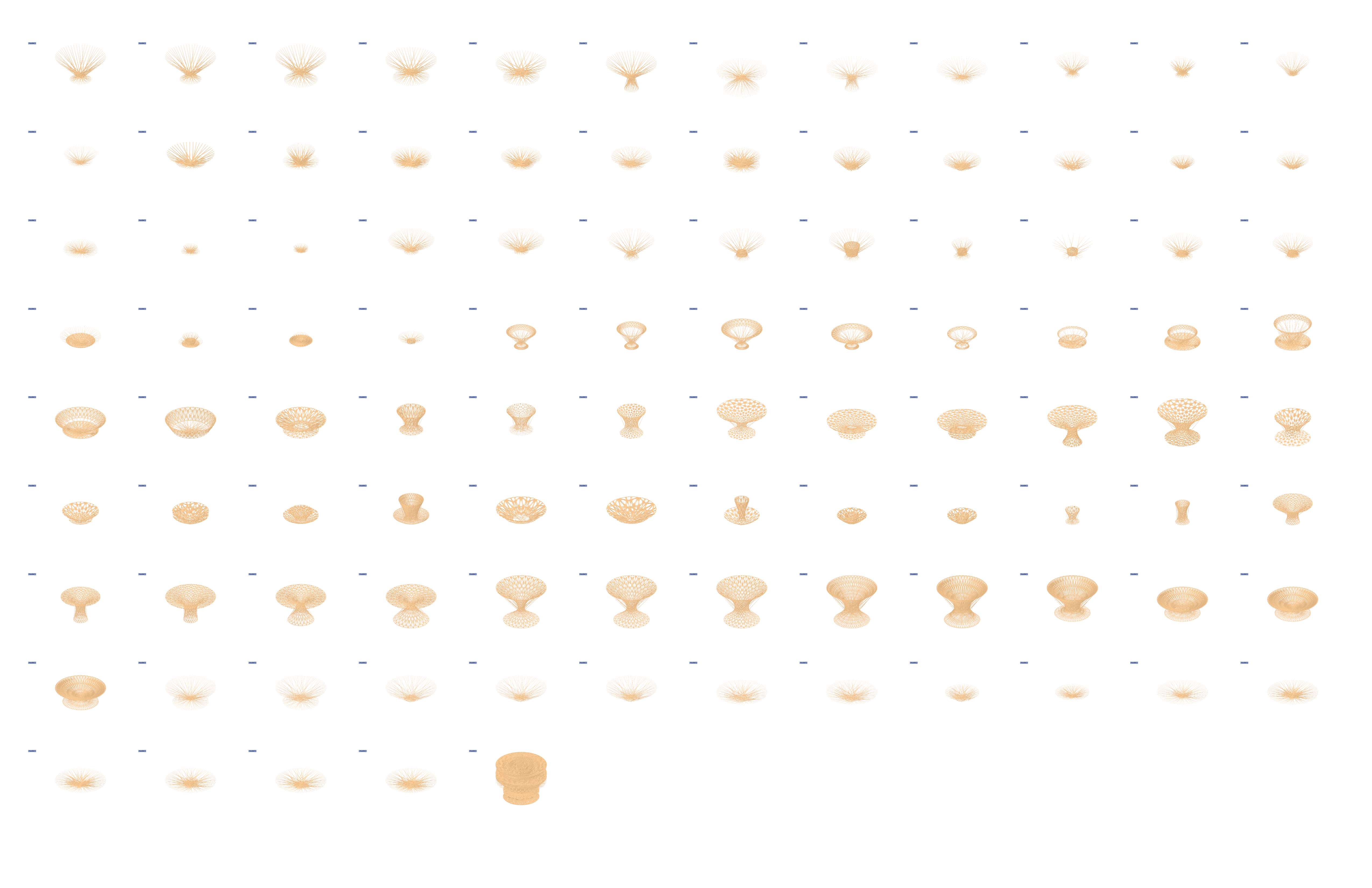
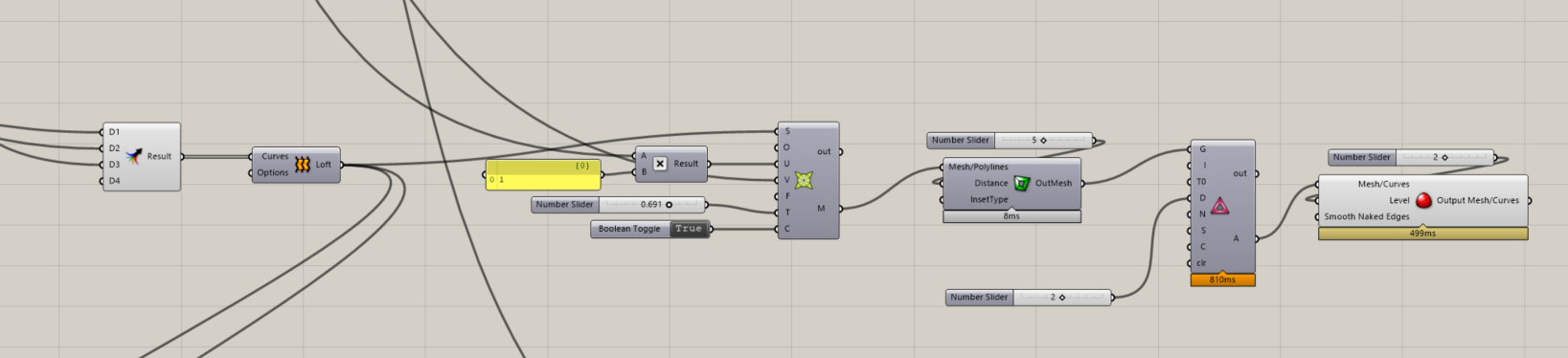
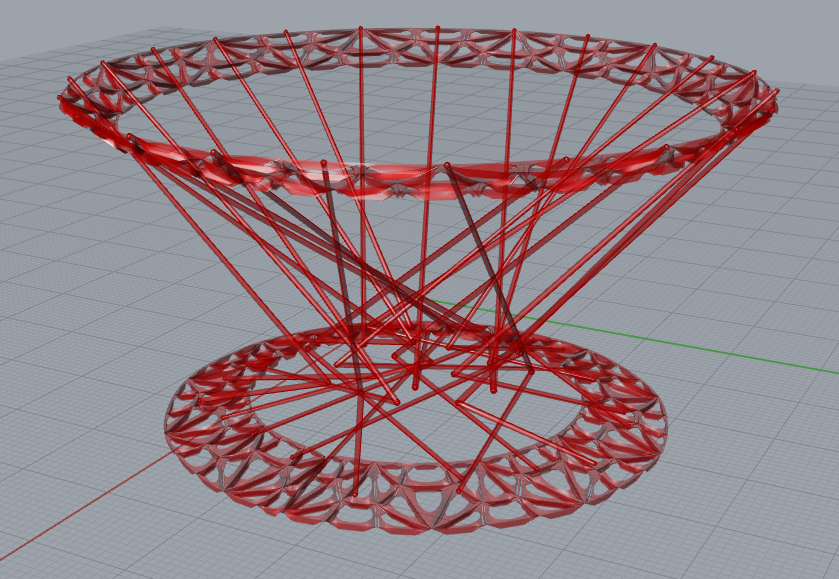
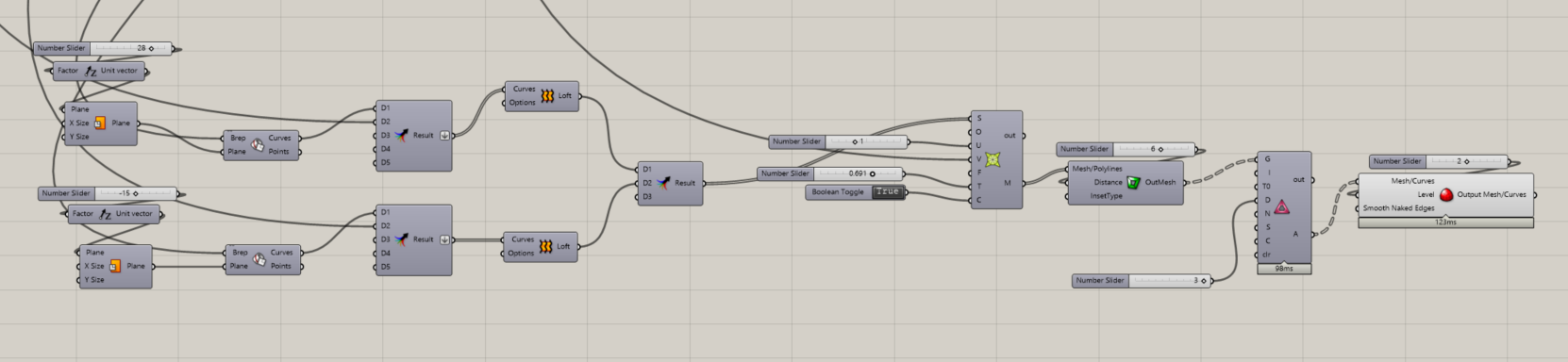
I simplified my previous design using Dendro, and ran various simulations through Colibri. Here is my updated script & results:

(Original Post Below)
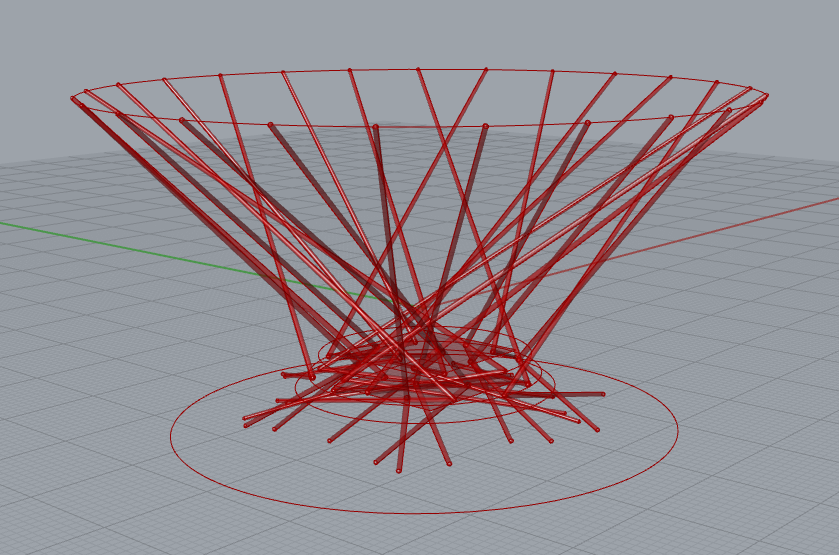
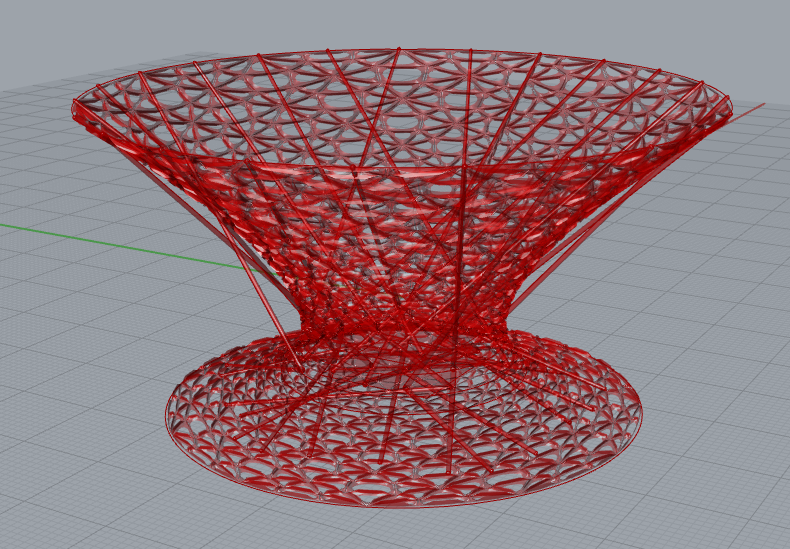
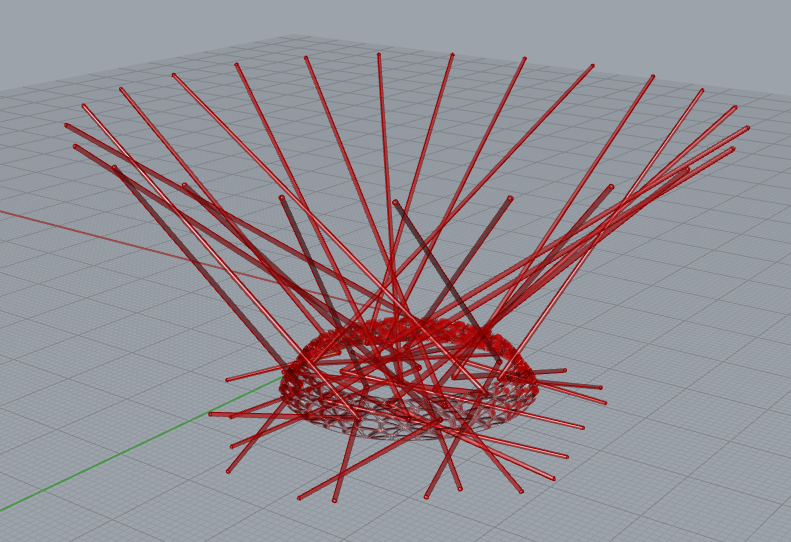
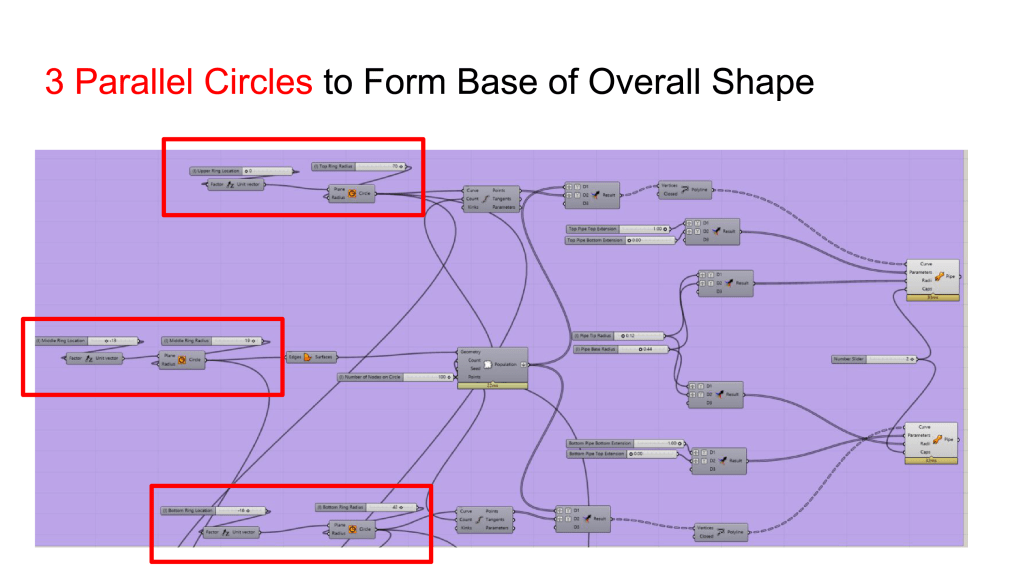
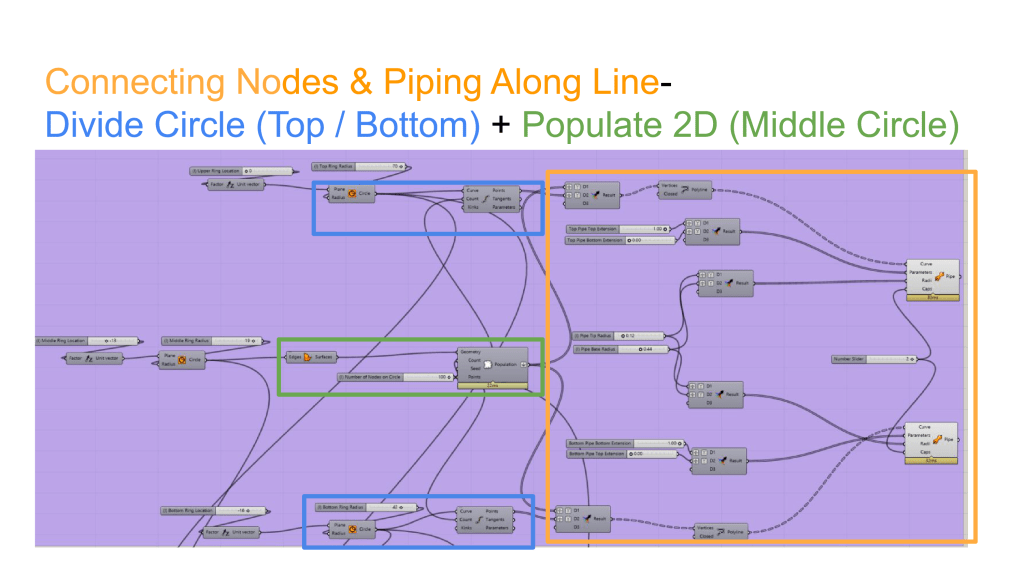
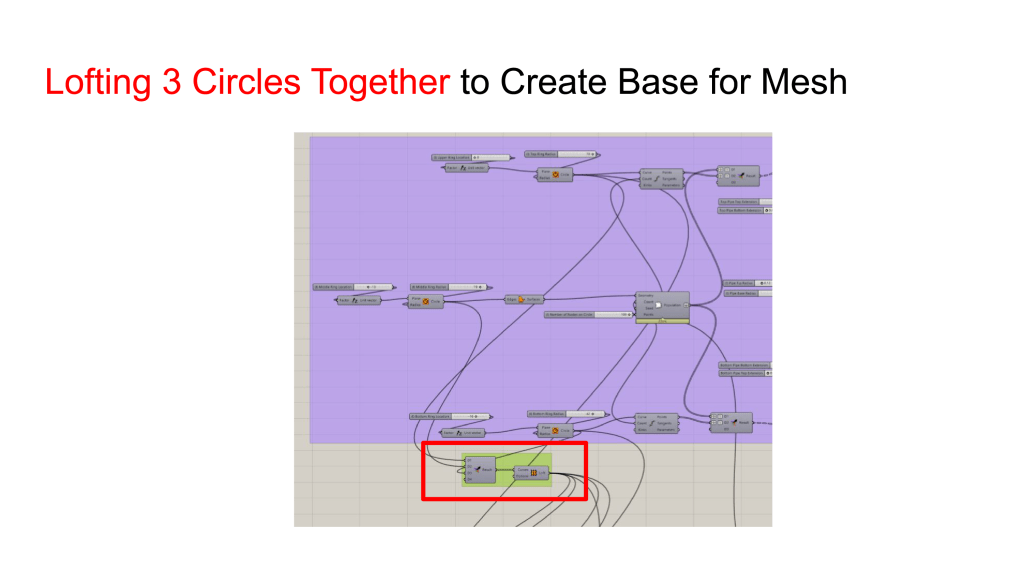
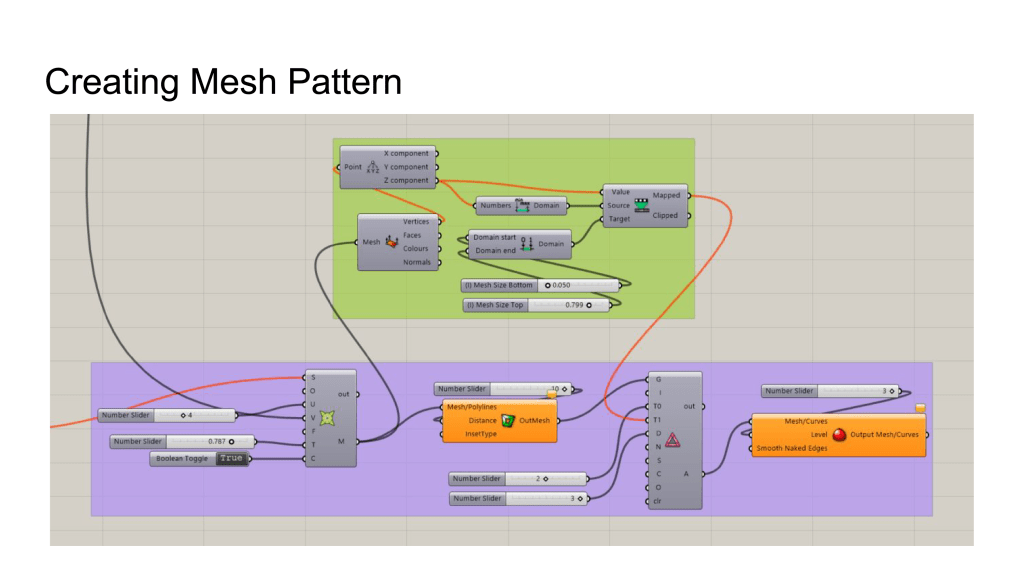
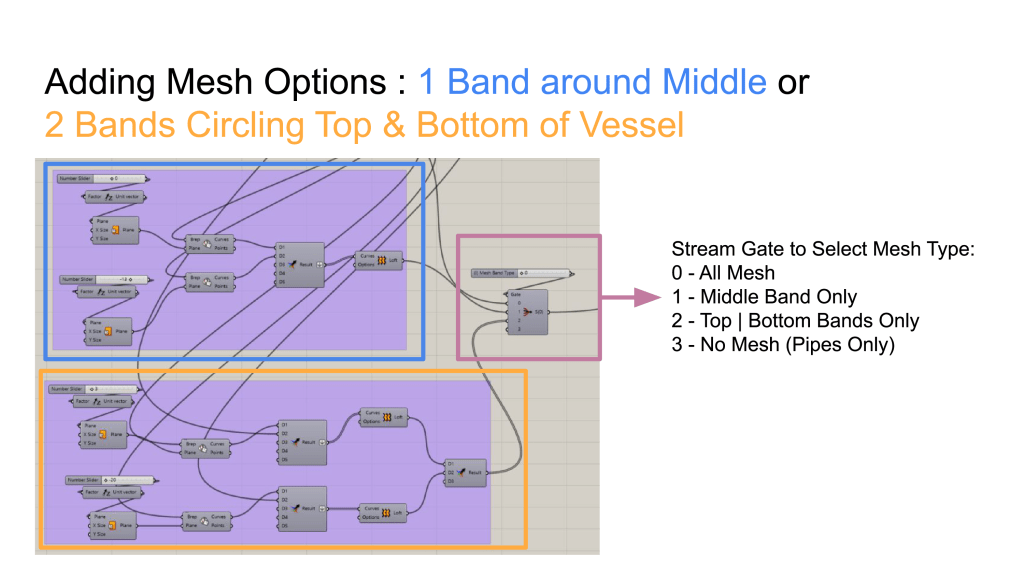
This product family’s overall shape is controlled by the radii and offset distance from main plane of 3 parallel circles, with pipes that connect nodes on all three circles to form a container. Mesh bands are added to the shape to connect pipes together.
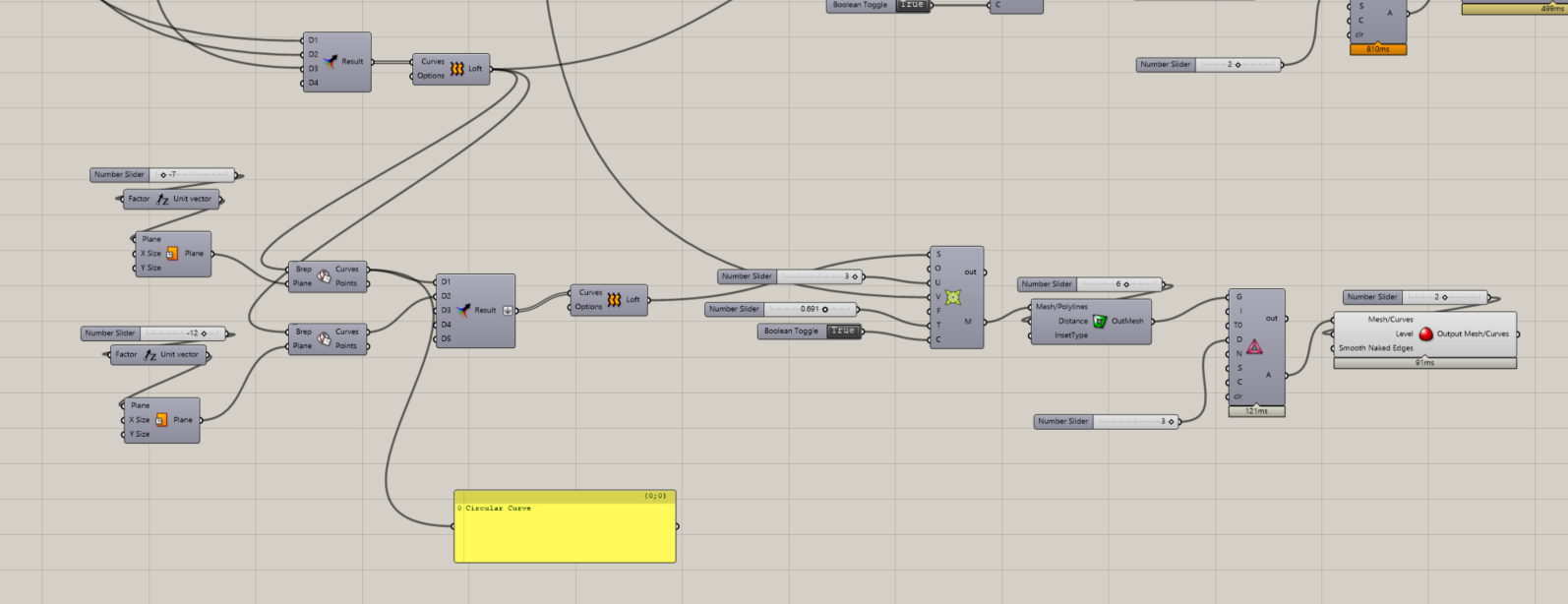
My Script:
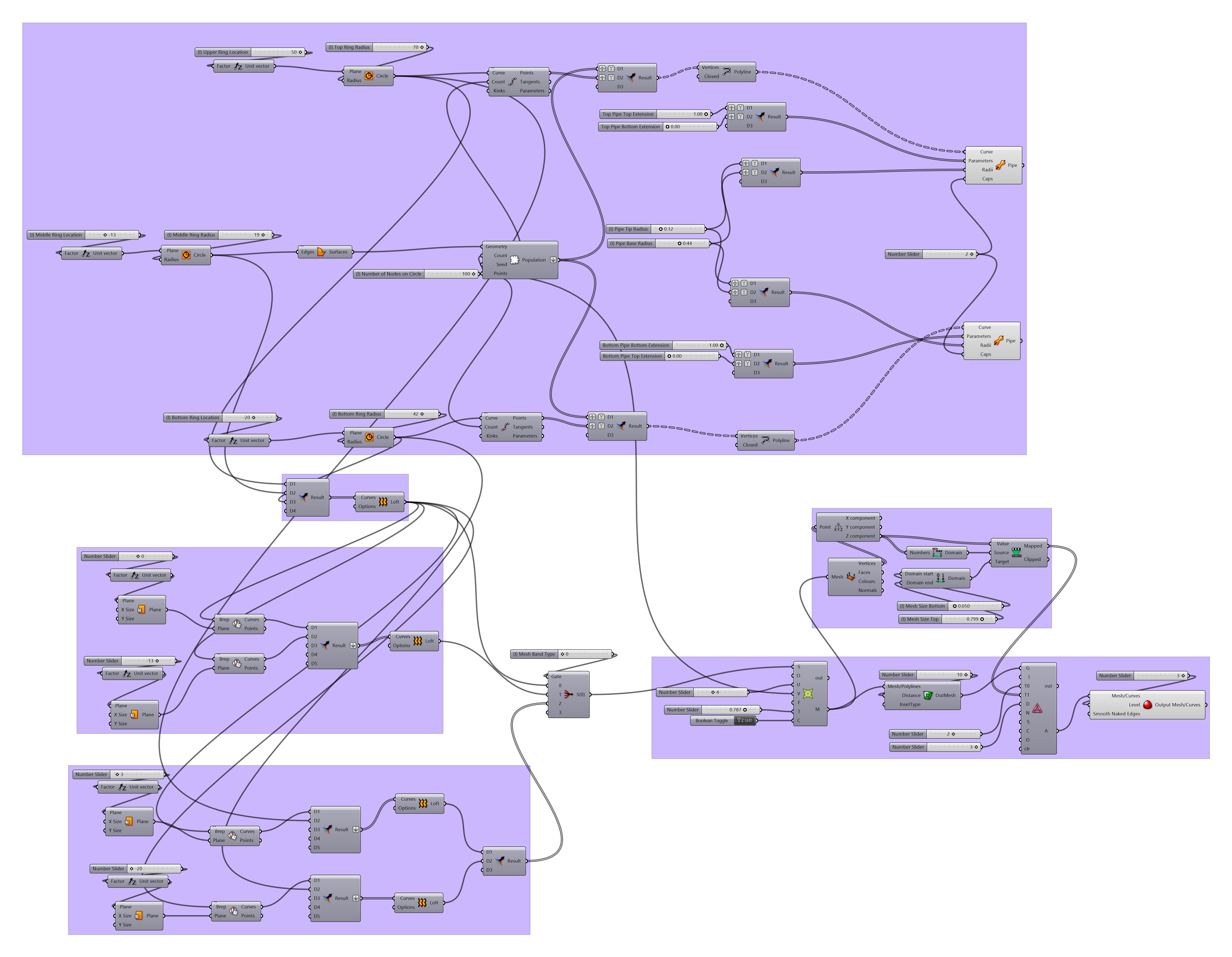
Refer to following slides for script details:
I plan to have produce a set of vessels that forms from random crisscrossing sticks. Some support might be needed, so a band of mesh will be added around parts of the crisscrossing elements to add stabilization .


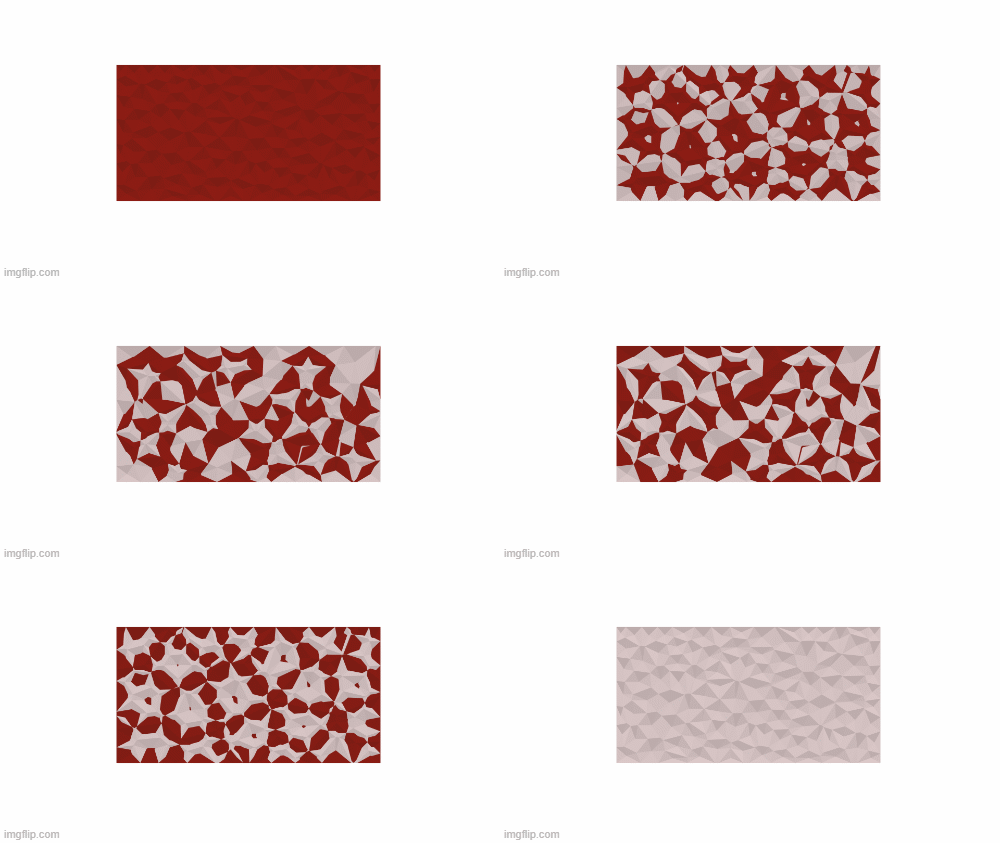
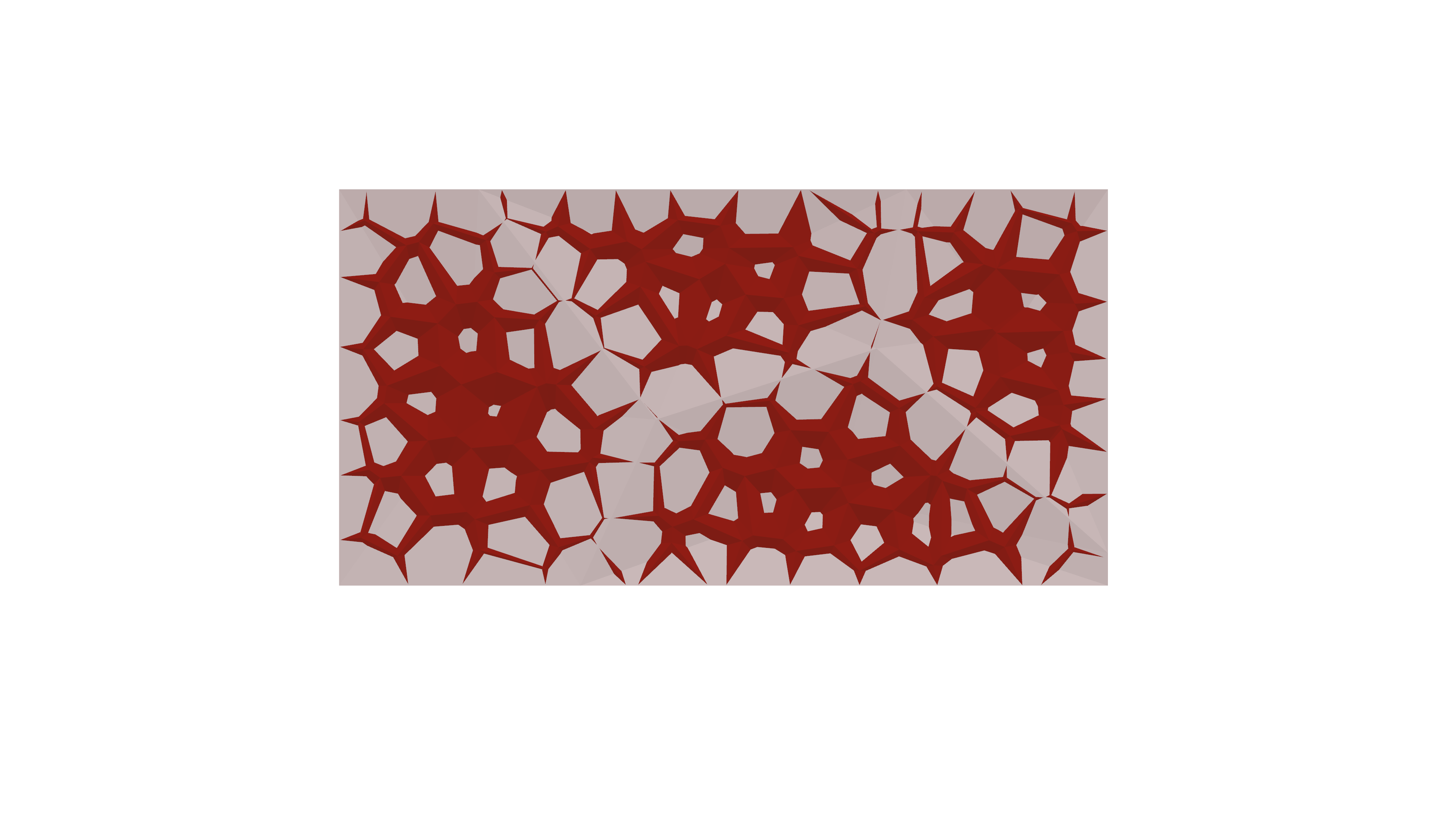
In my current 2 D project, I am crafting a versatile wall panel designed for use as an acoustical element in movie theaters. The process involves transitioning from a basic triangular shape to extracting the central point, thereby generating compelling three-dimensional forms on the wall.

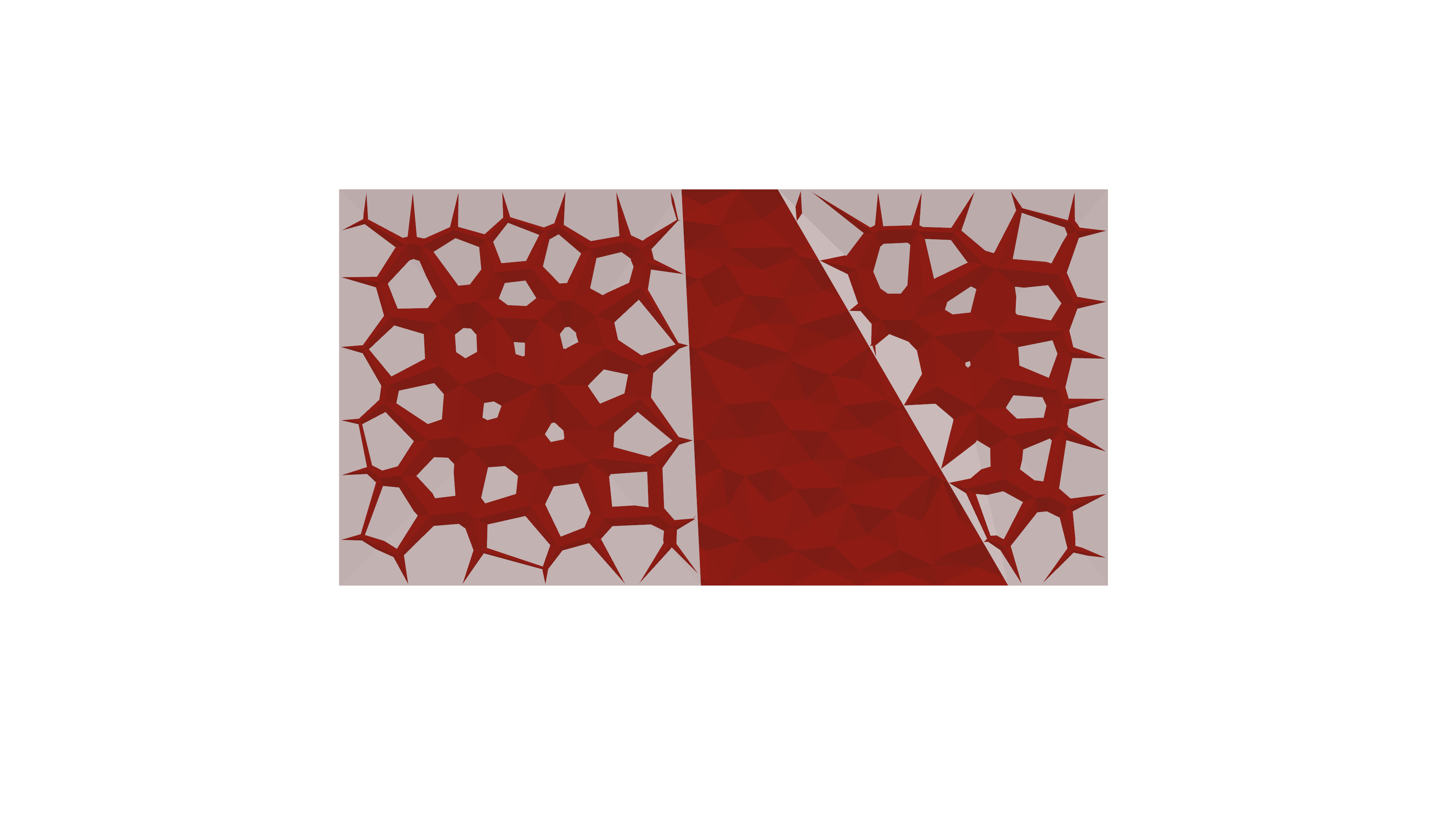
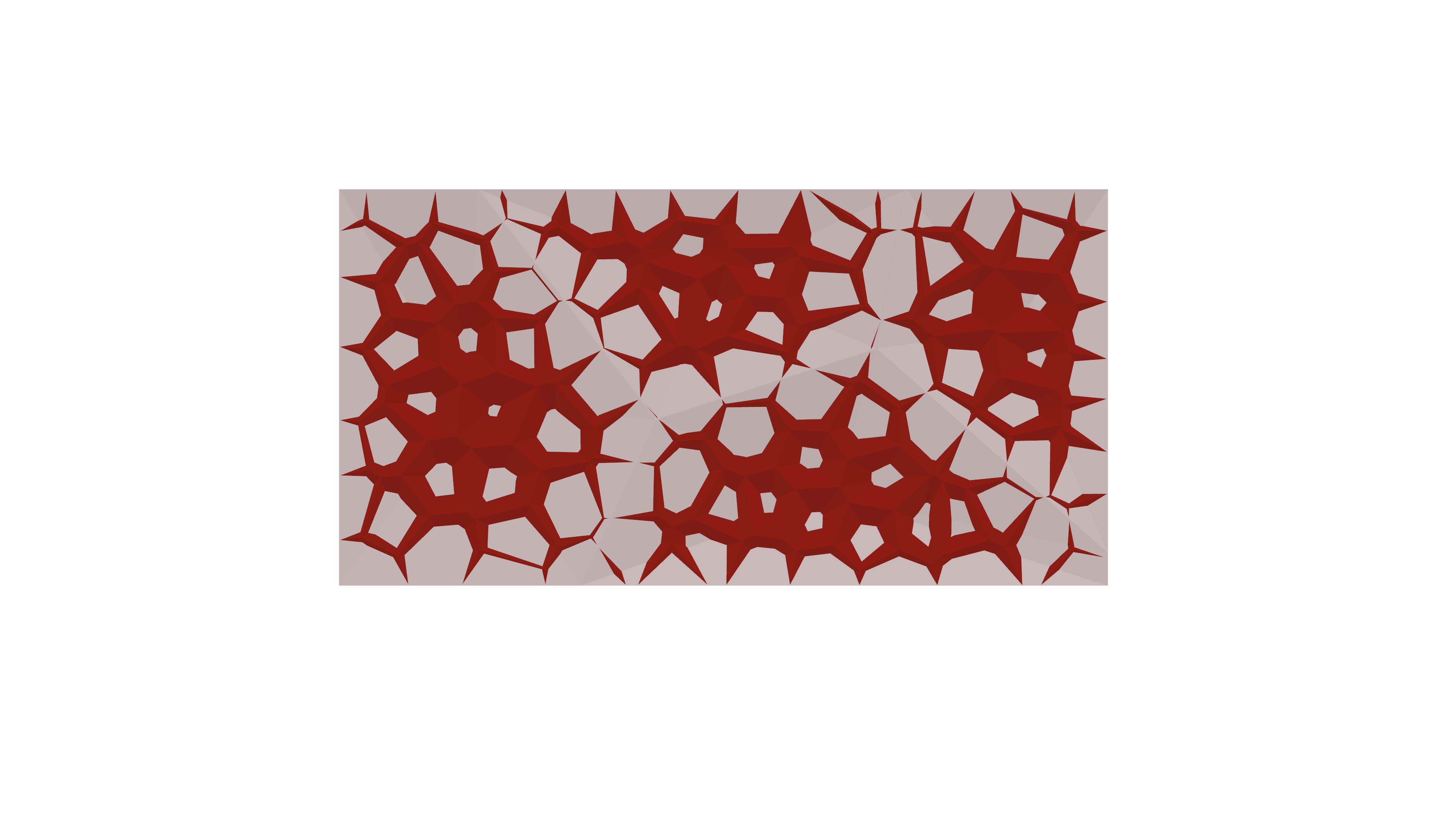
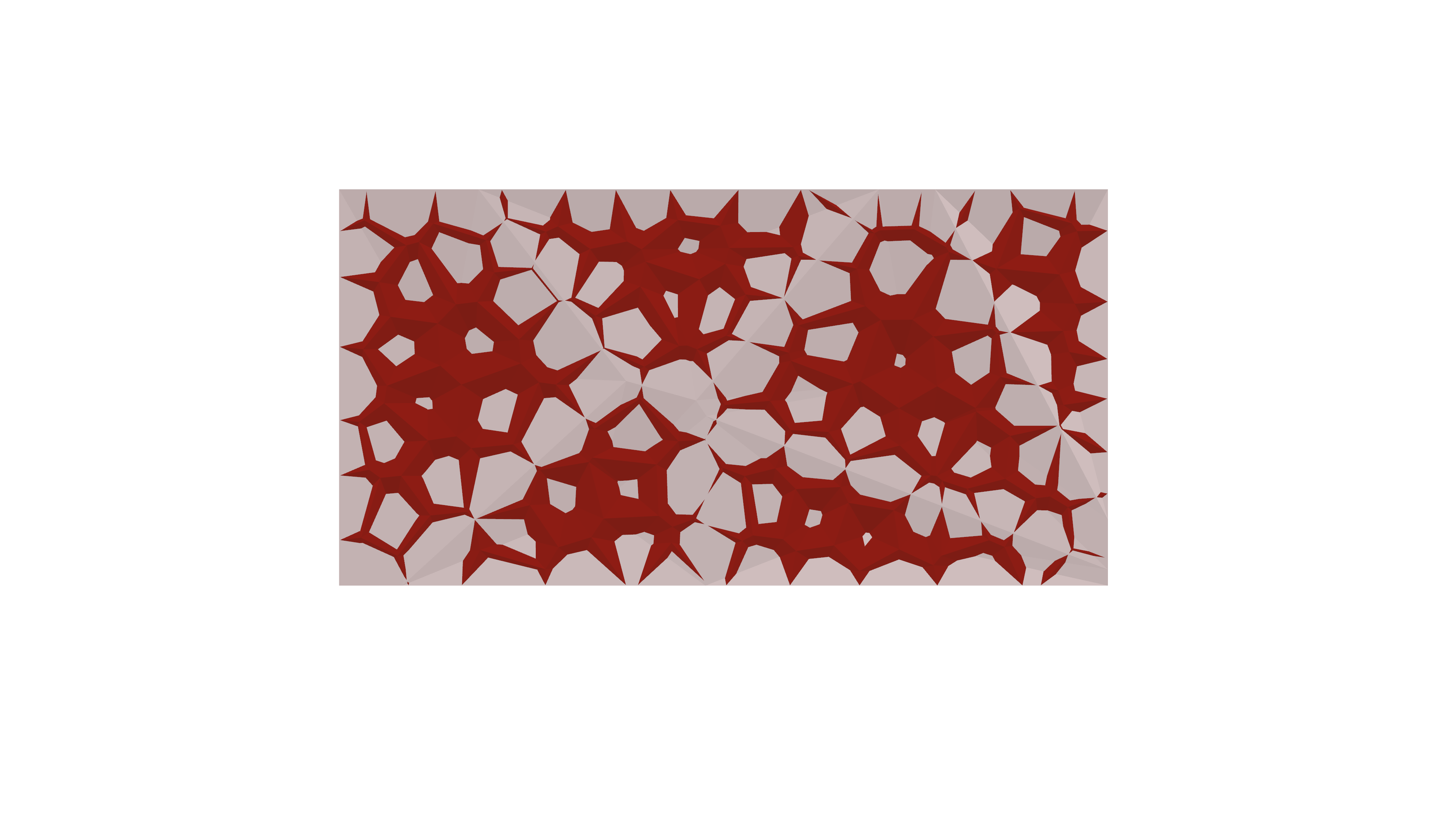
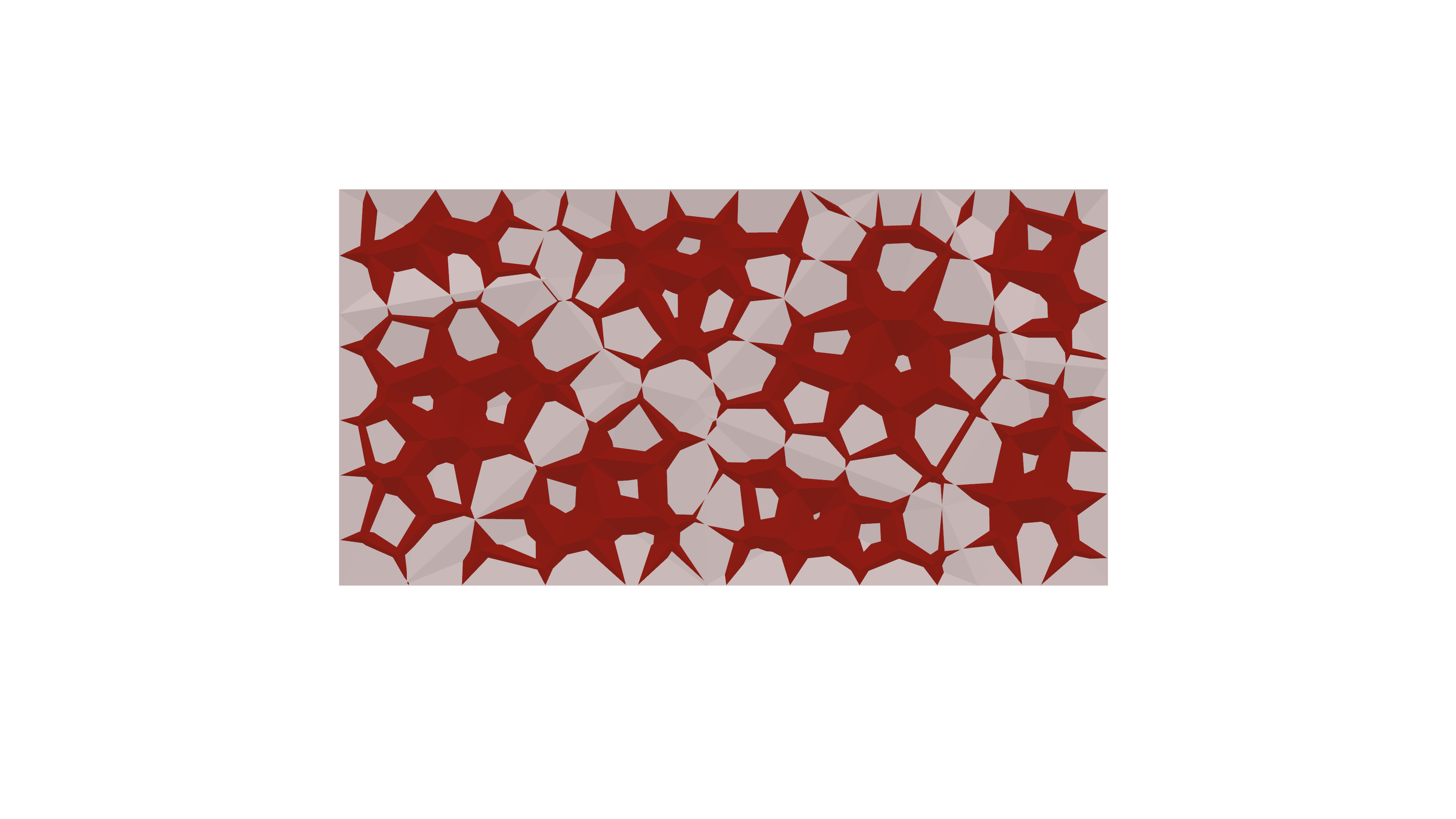
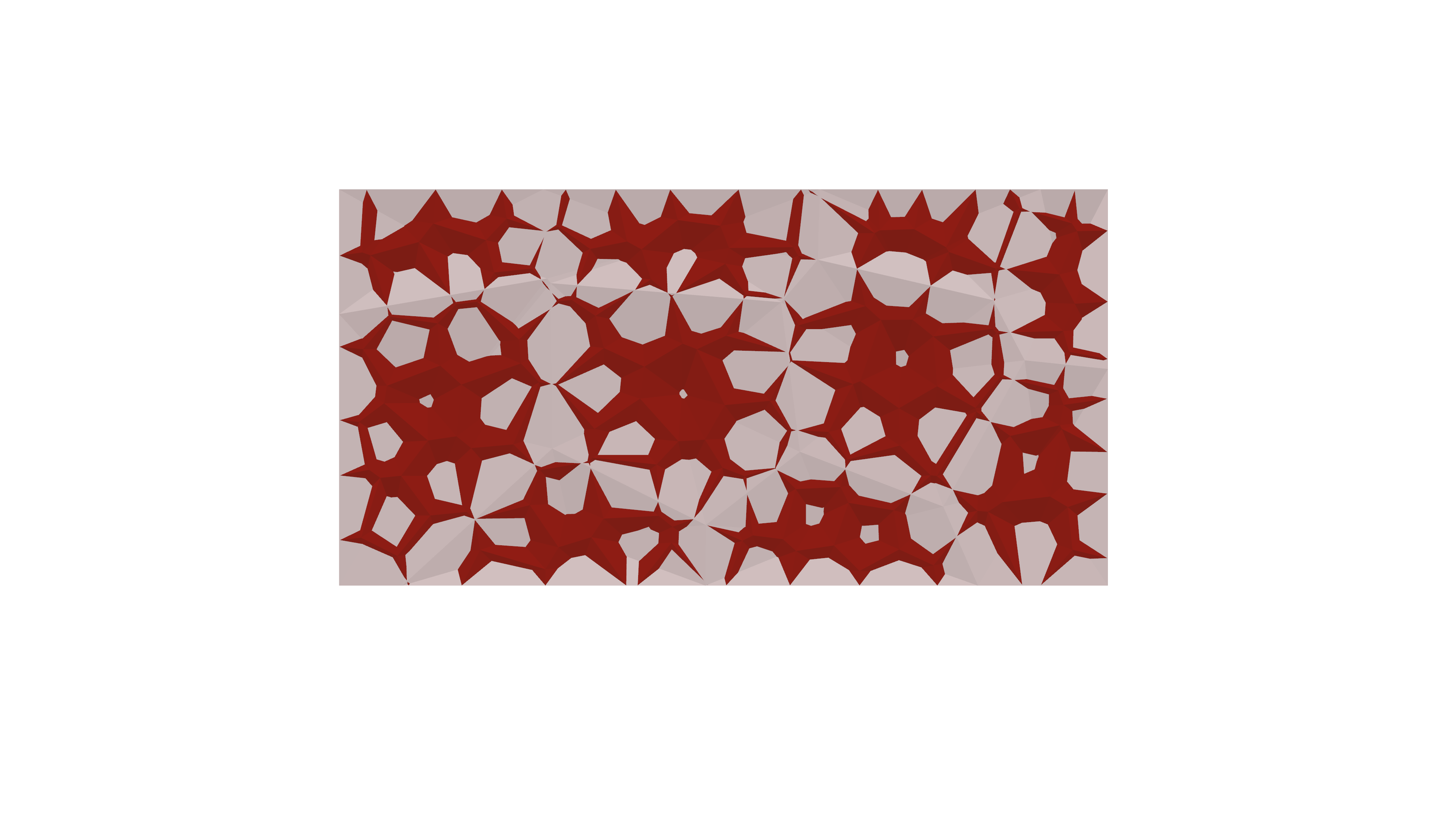
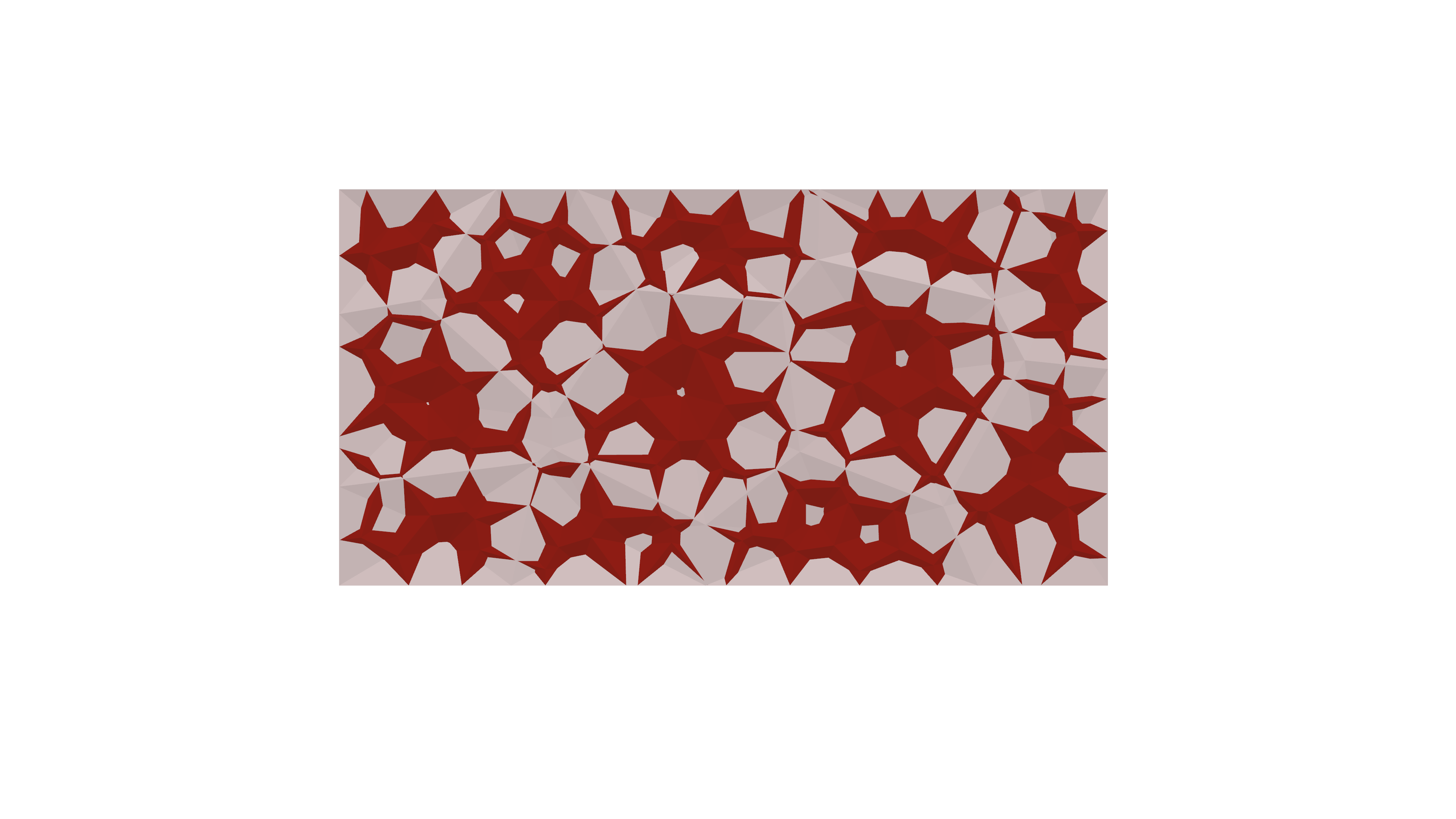
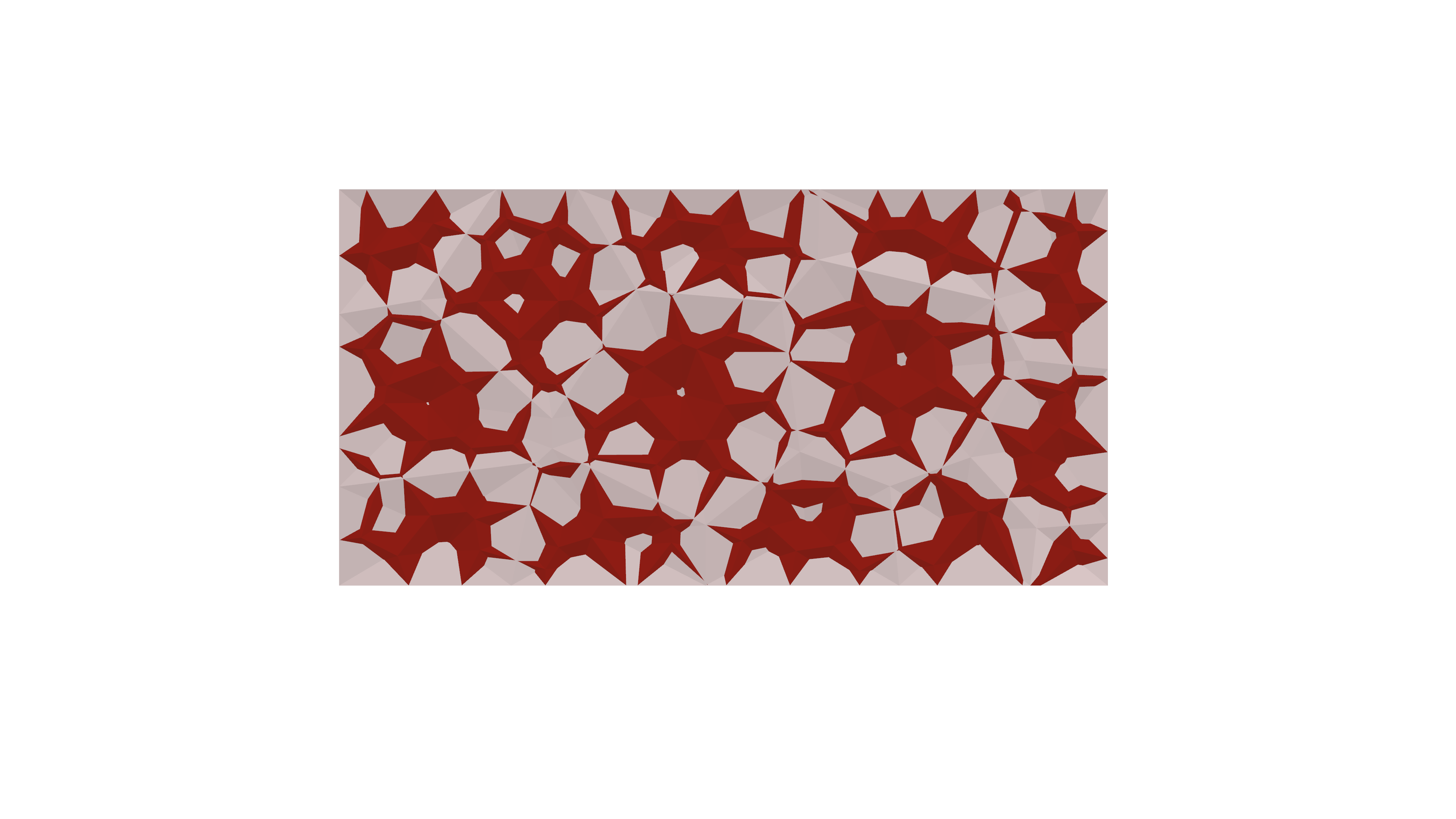
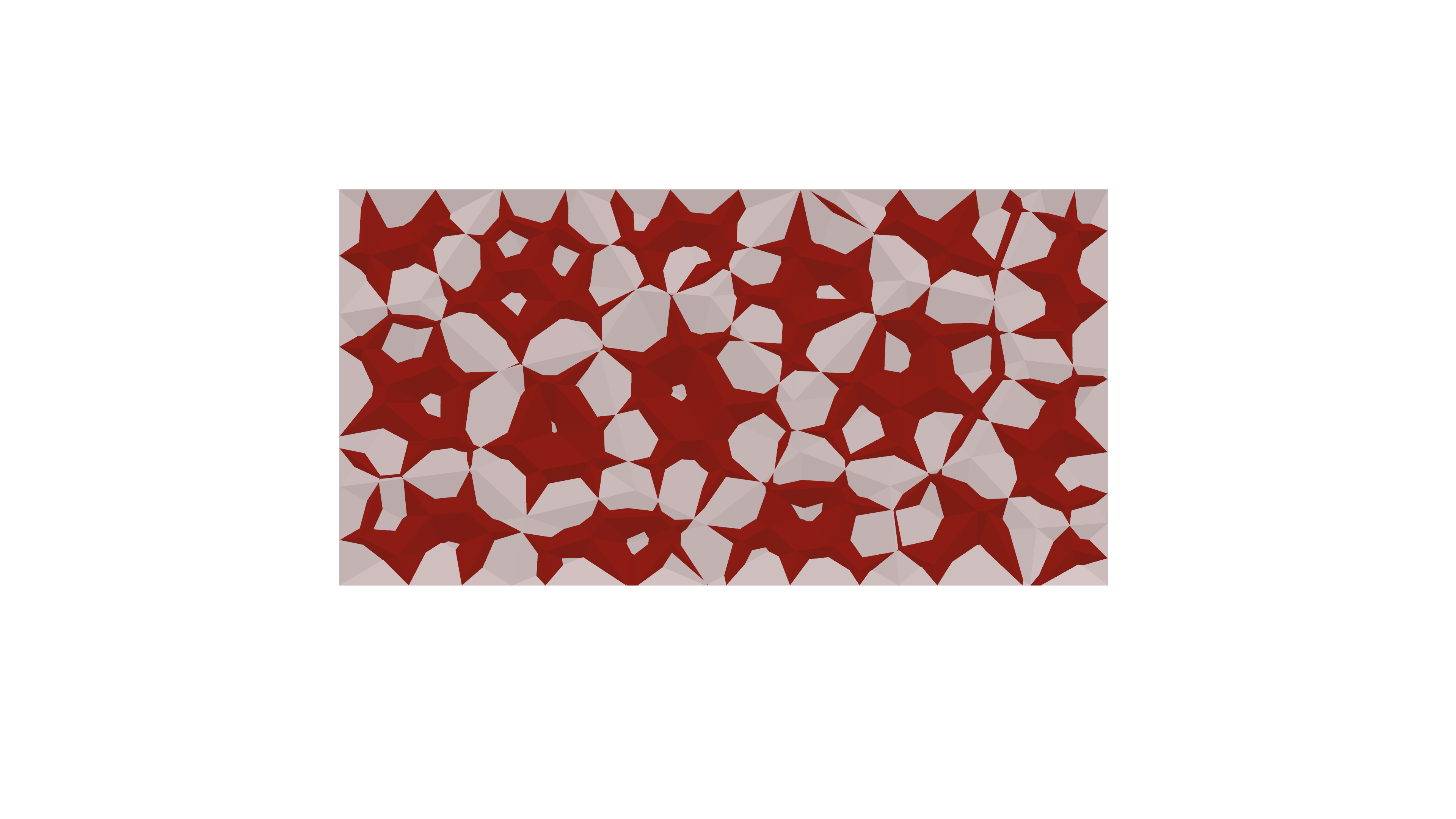
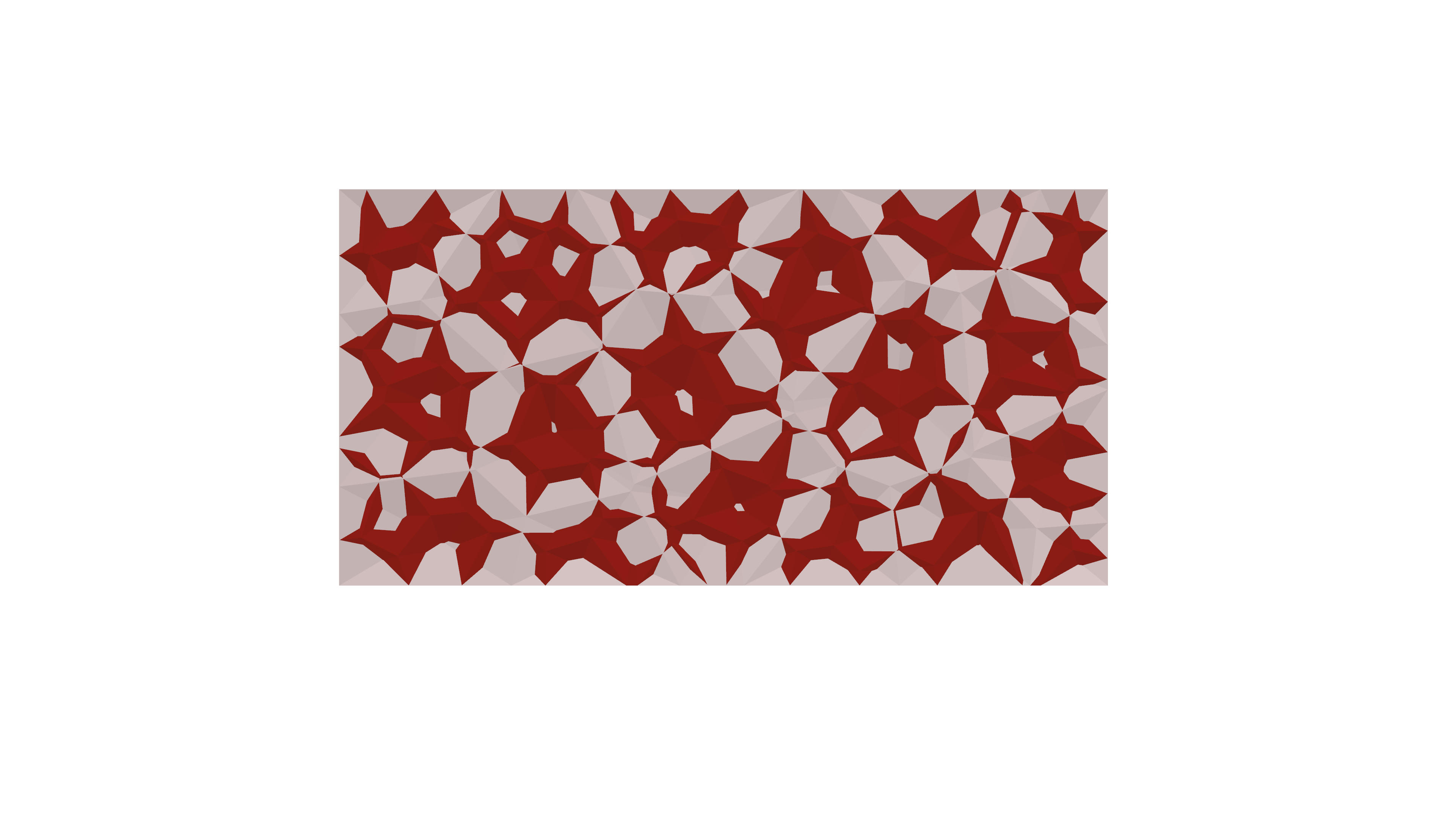
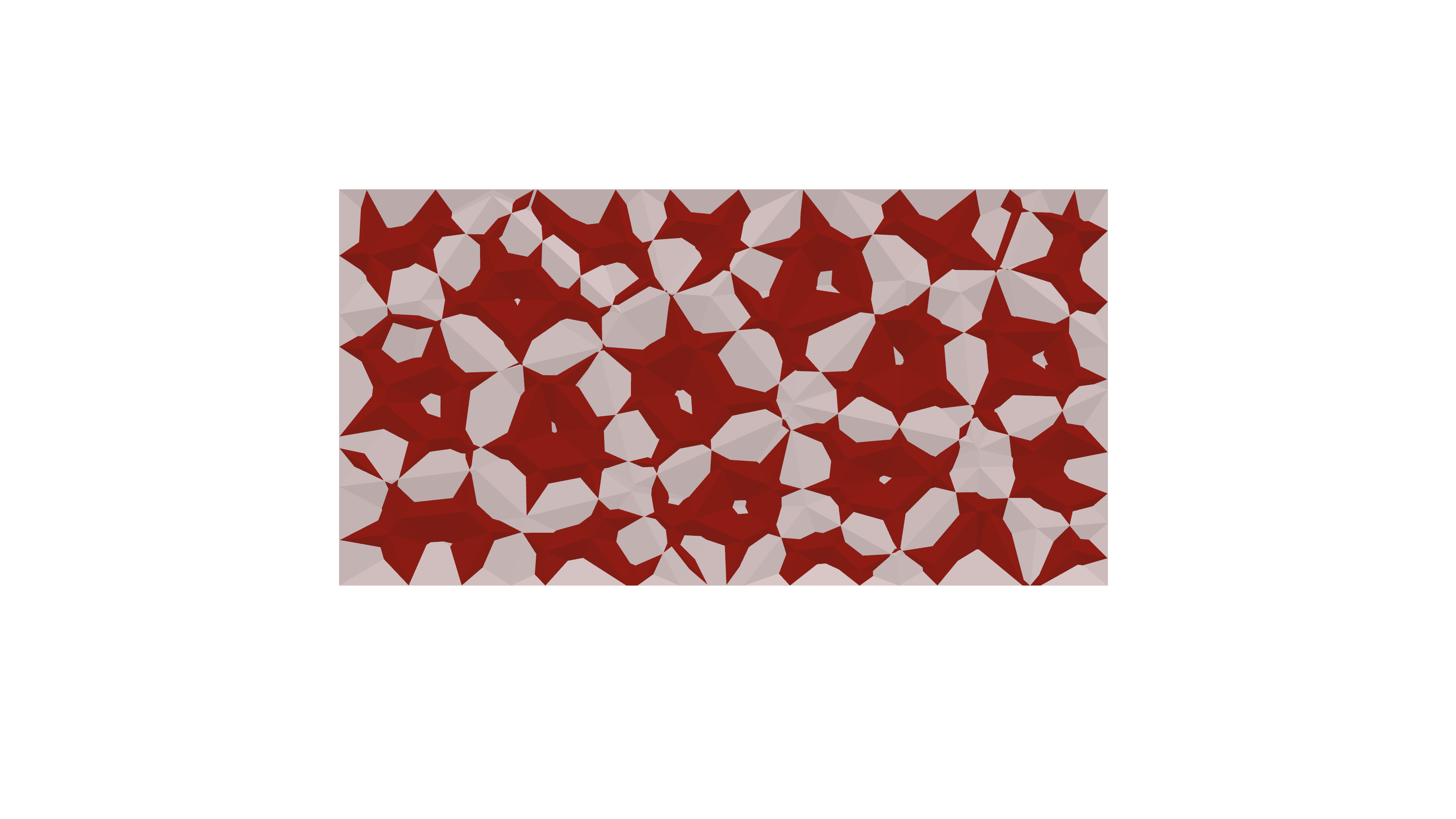
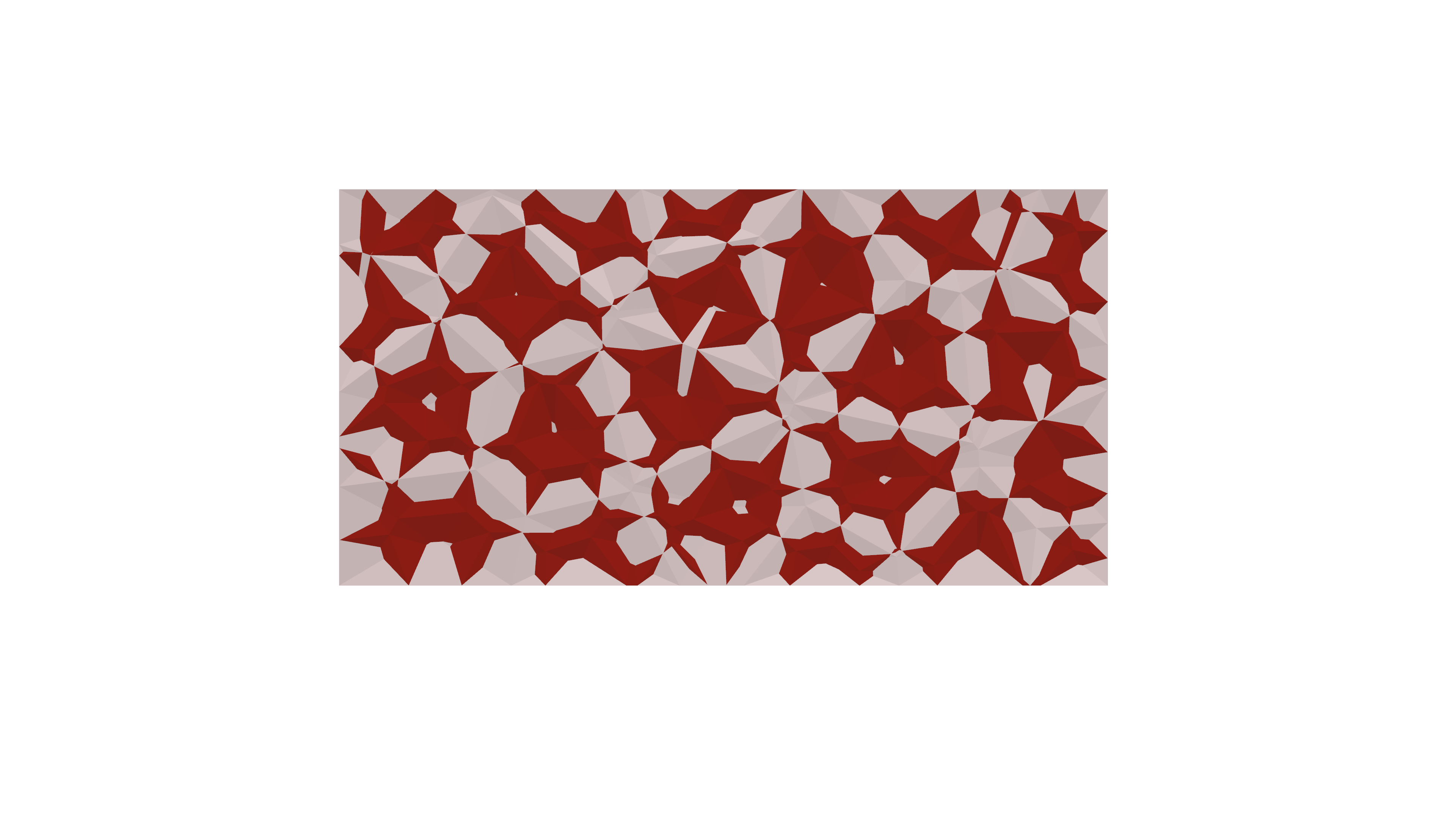
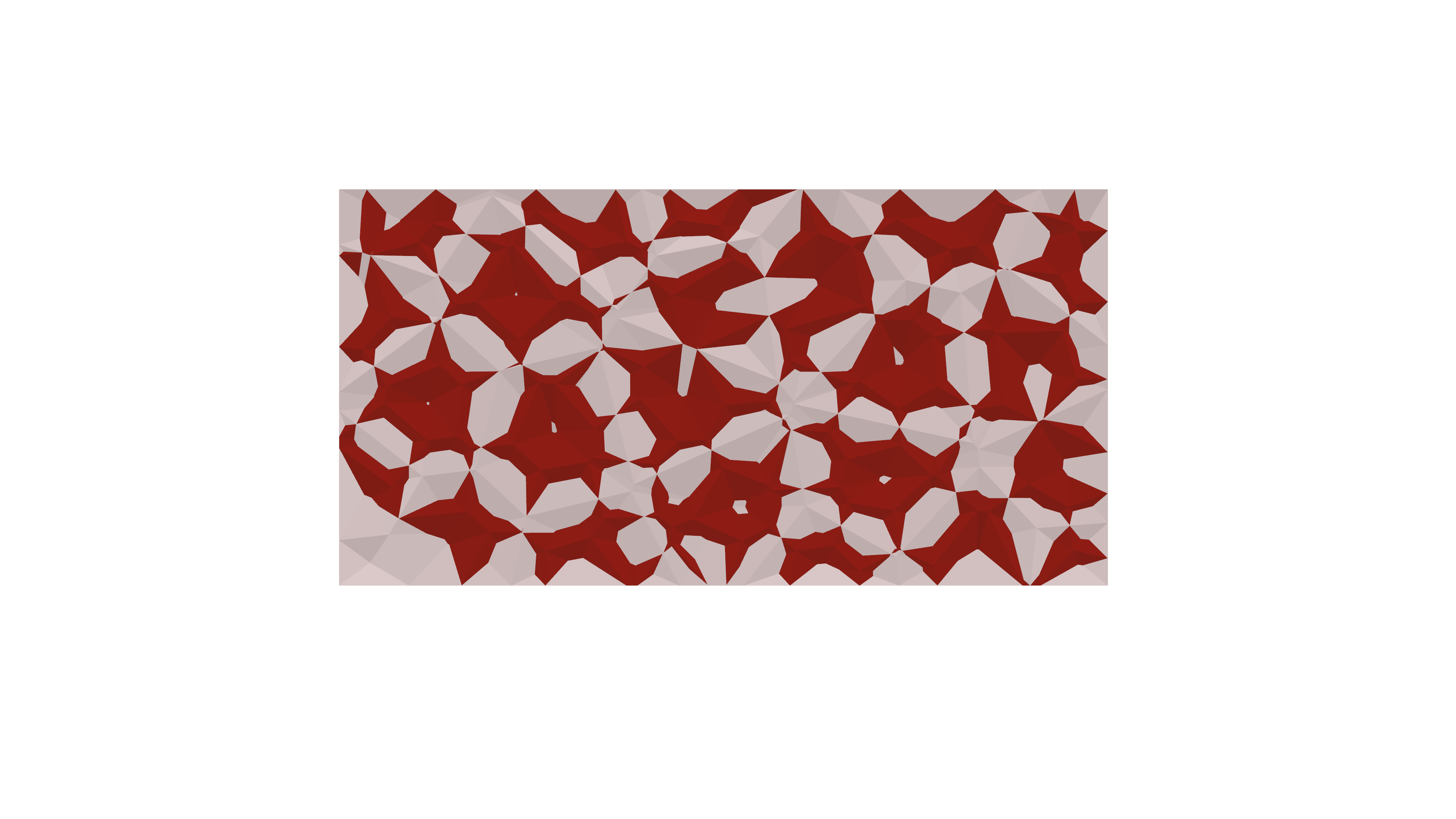
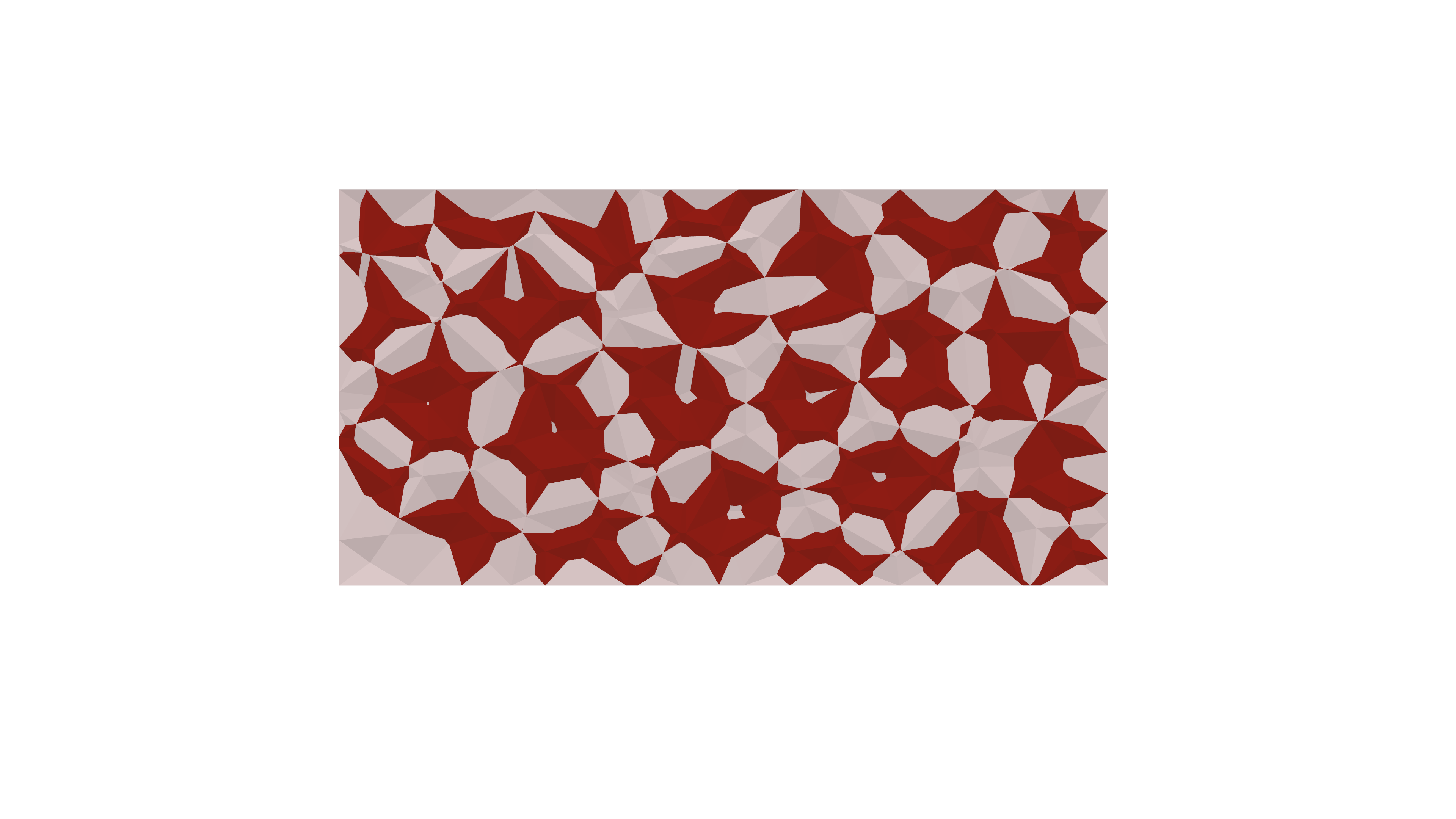
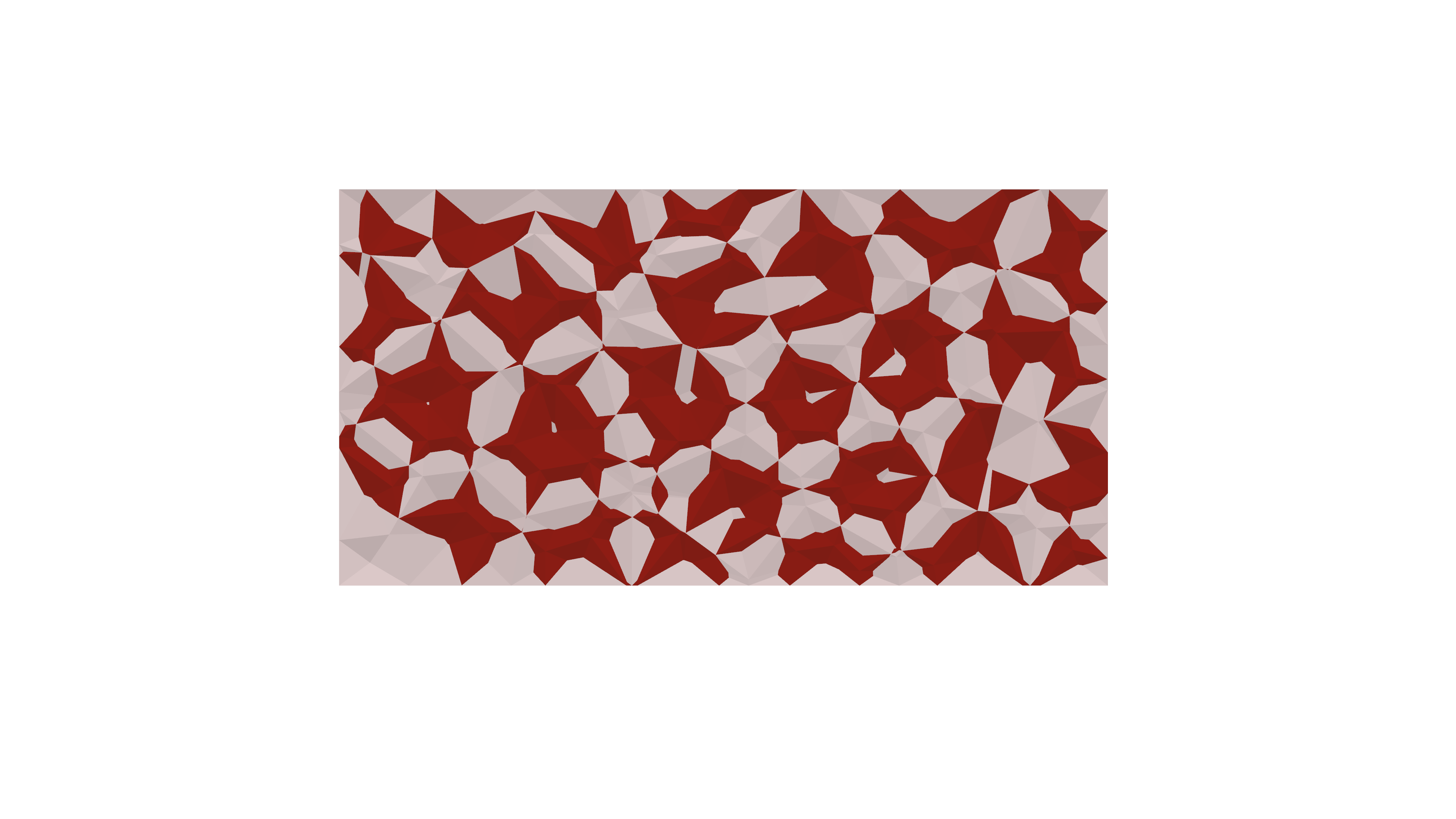
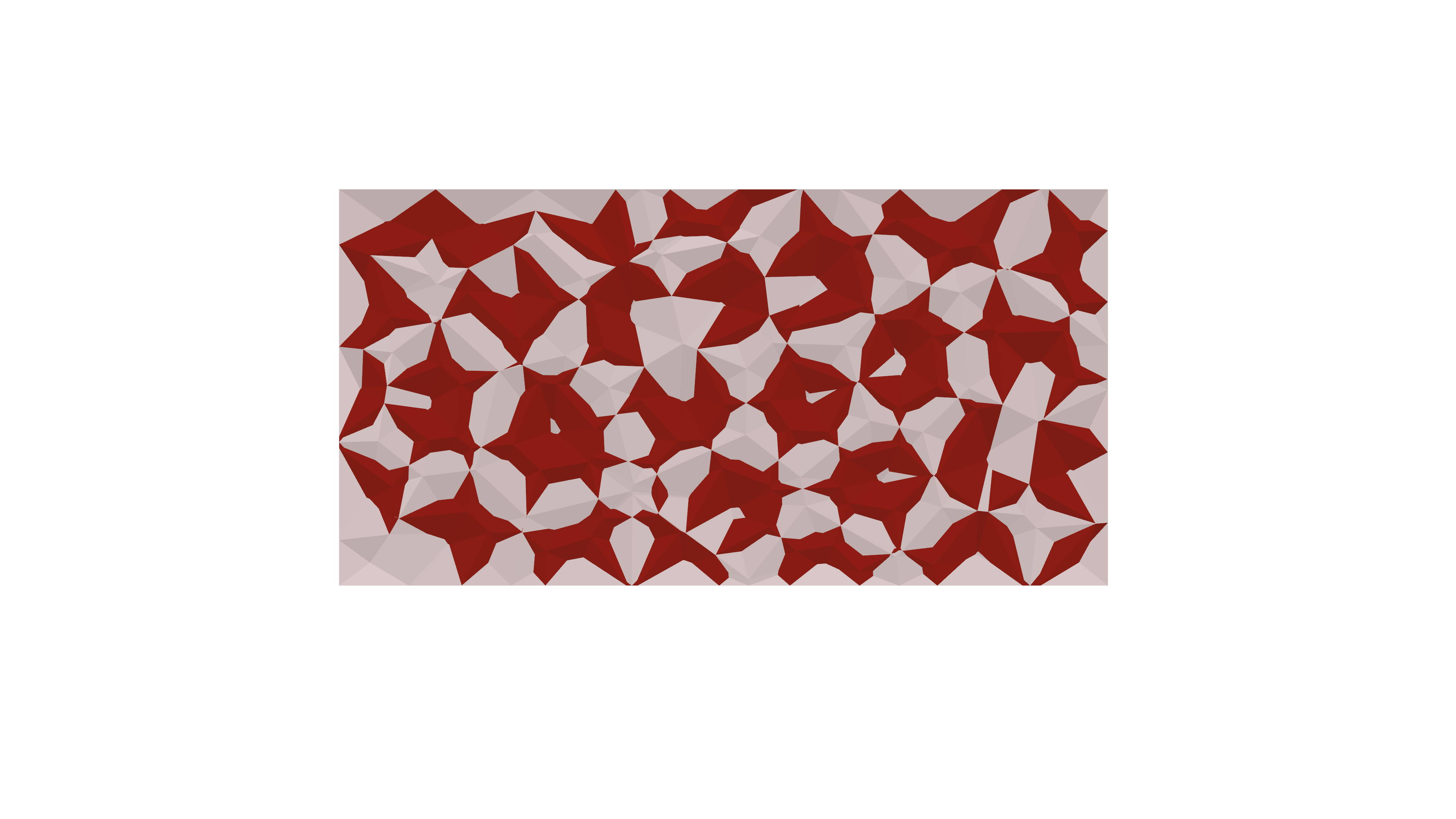
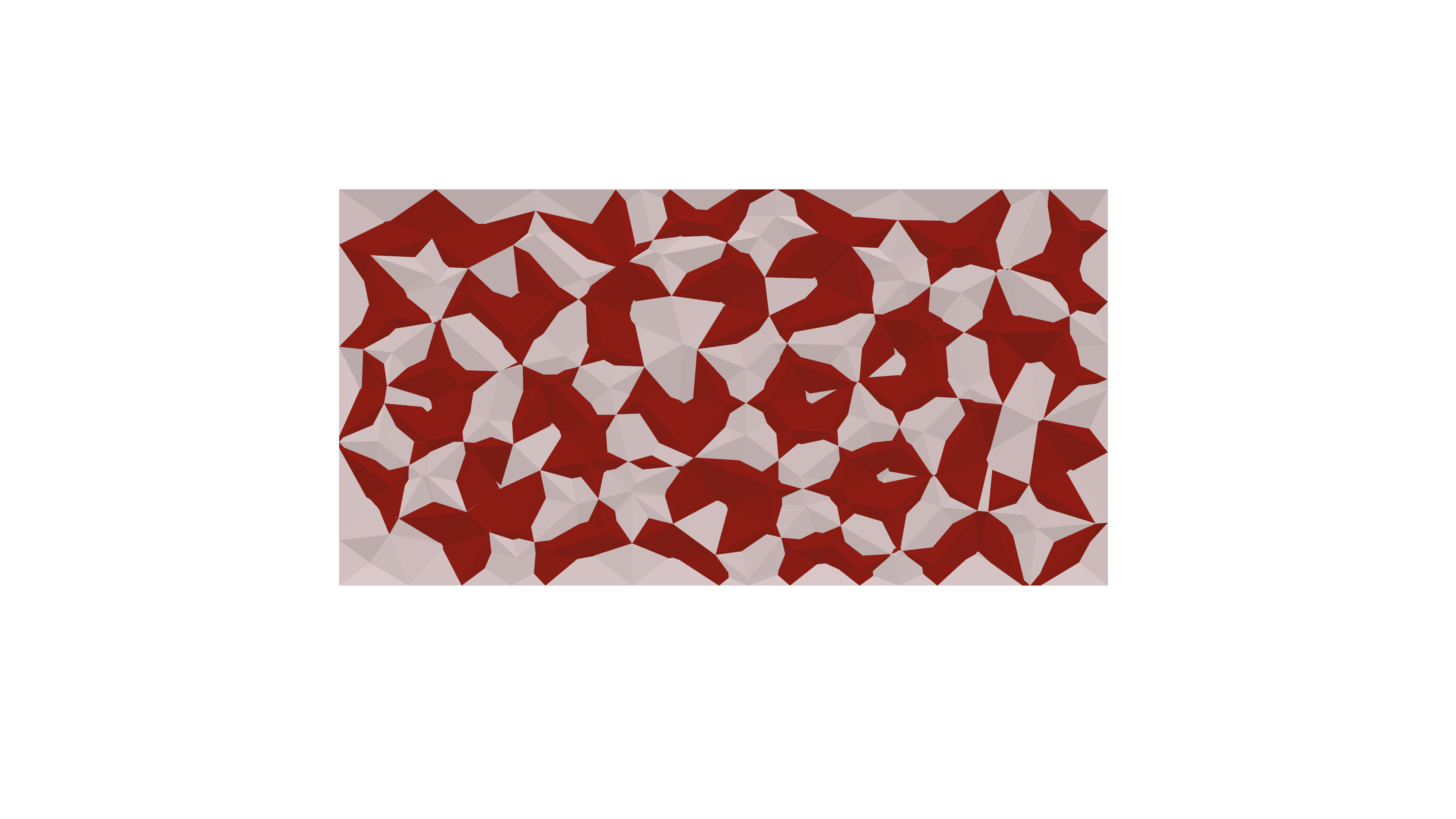
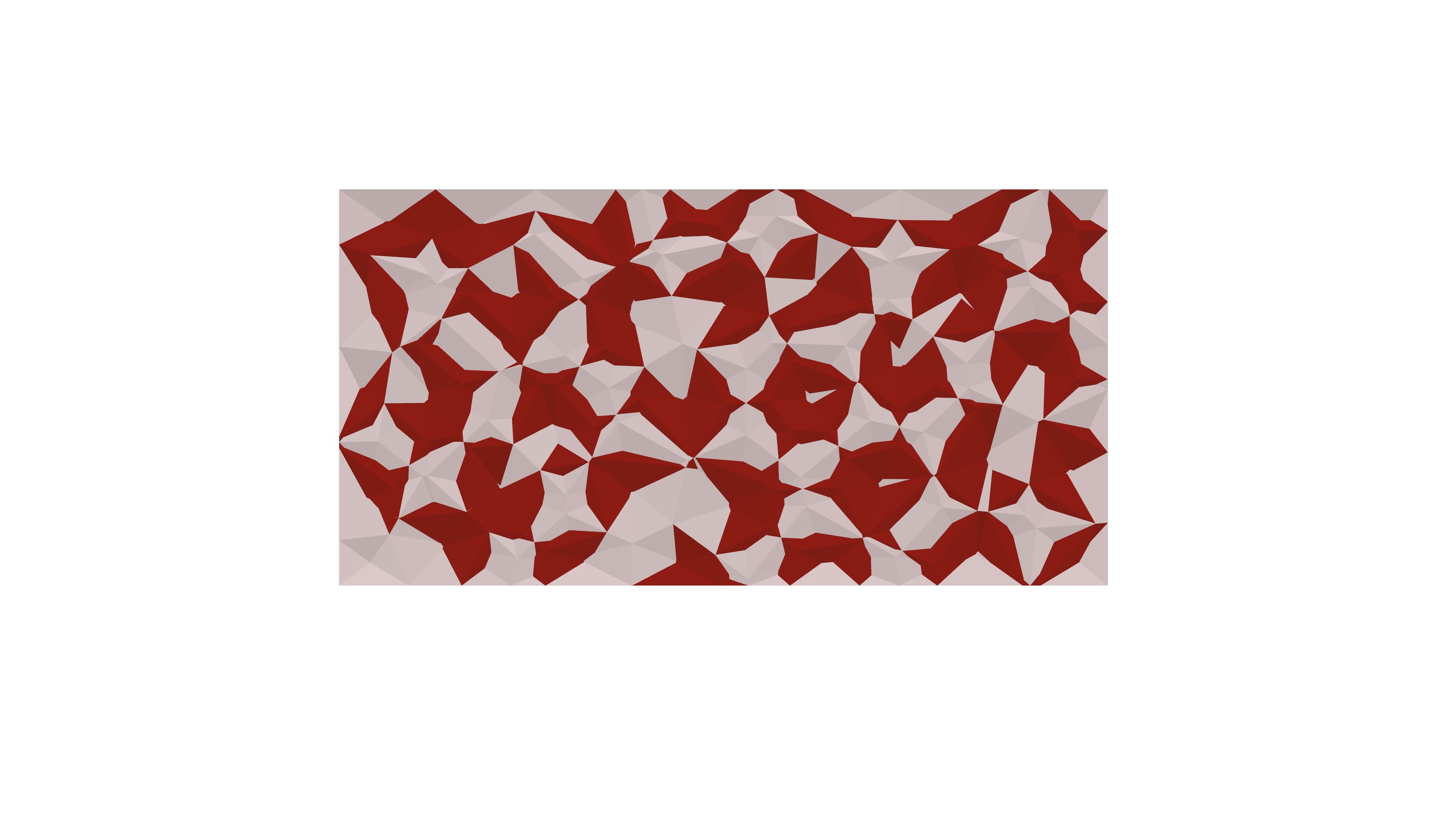
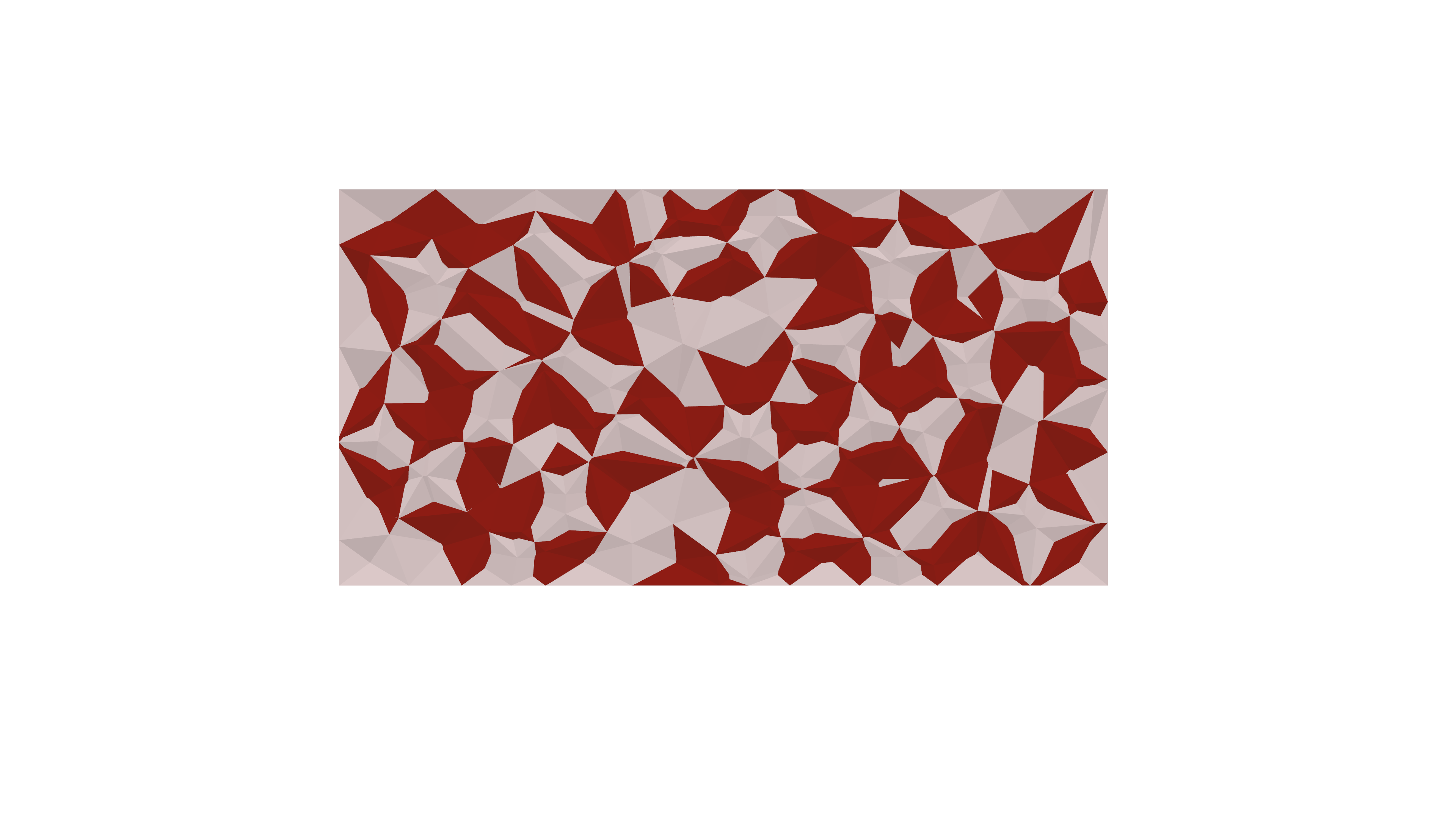
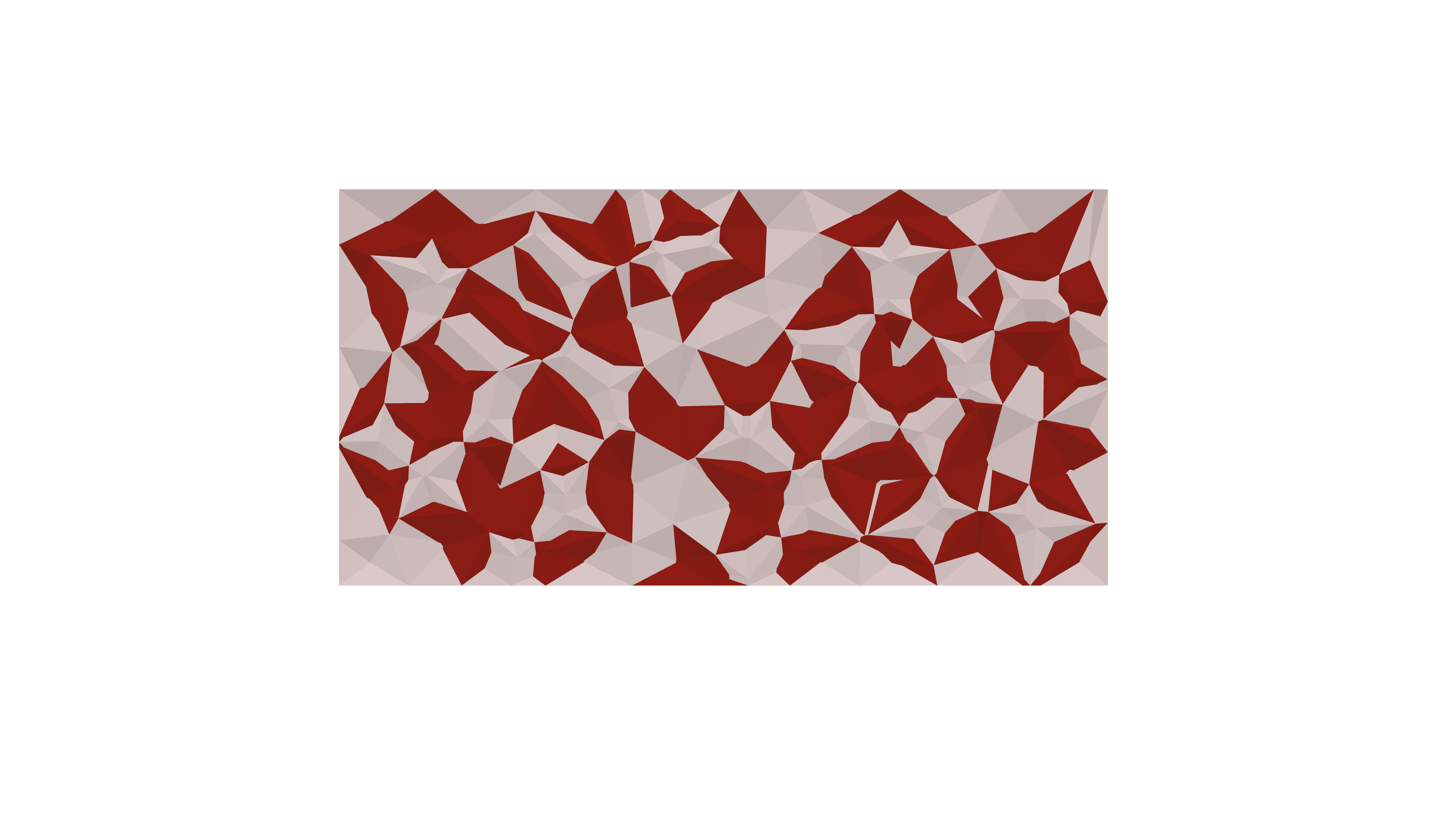
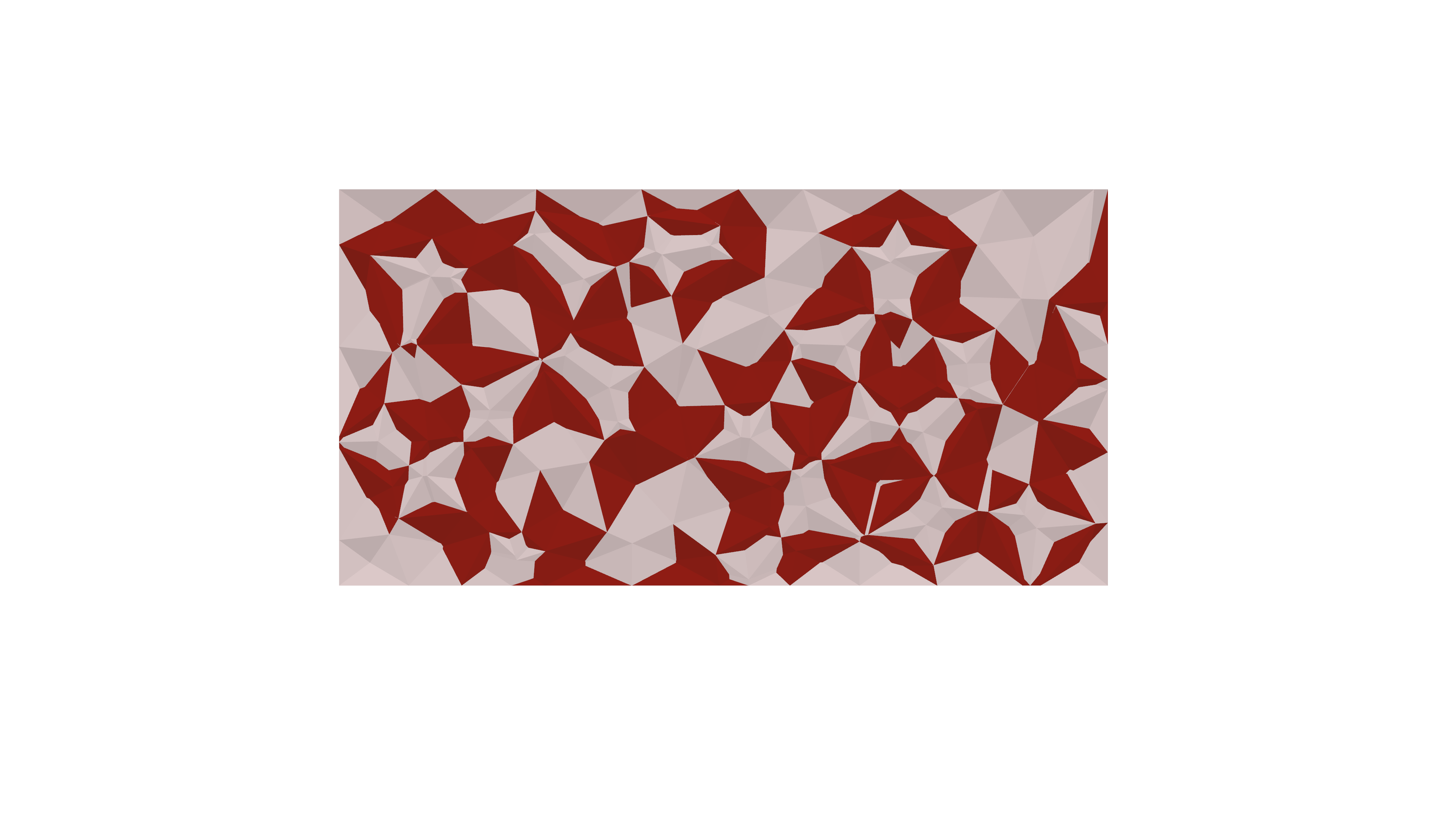
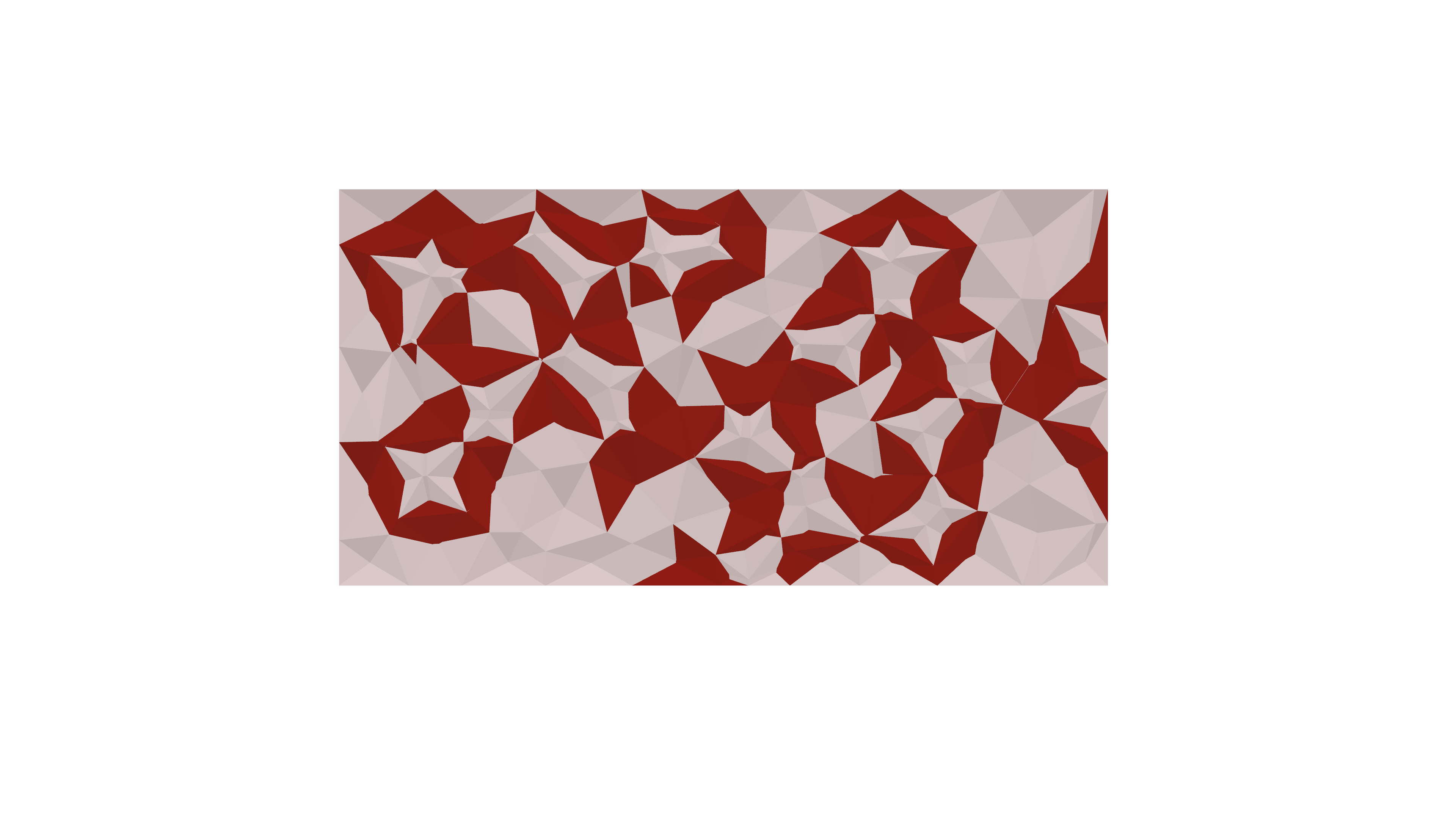
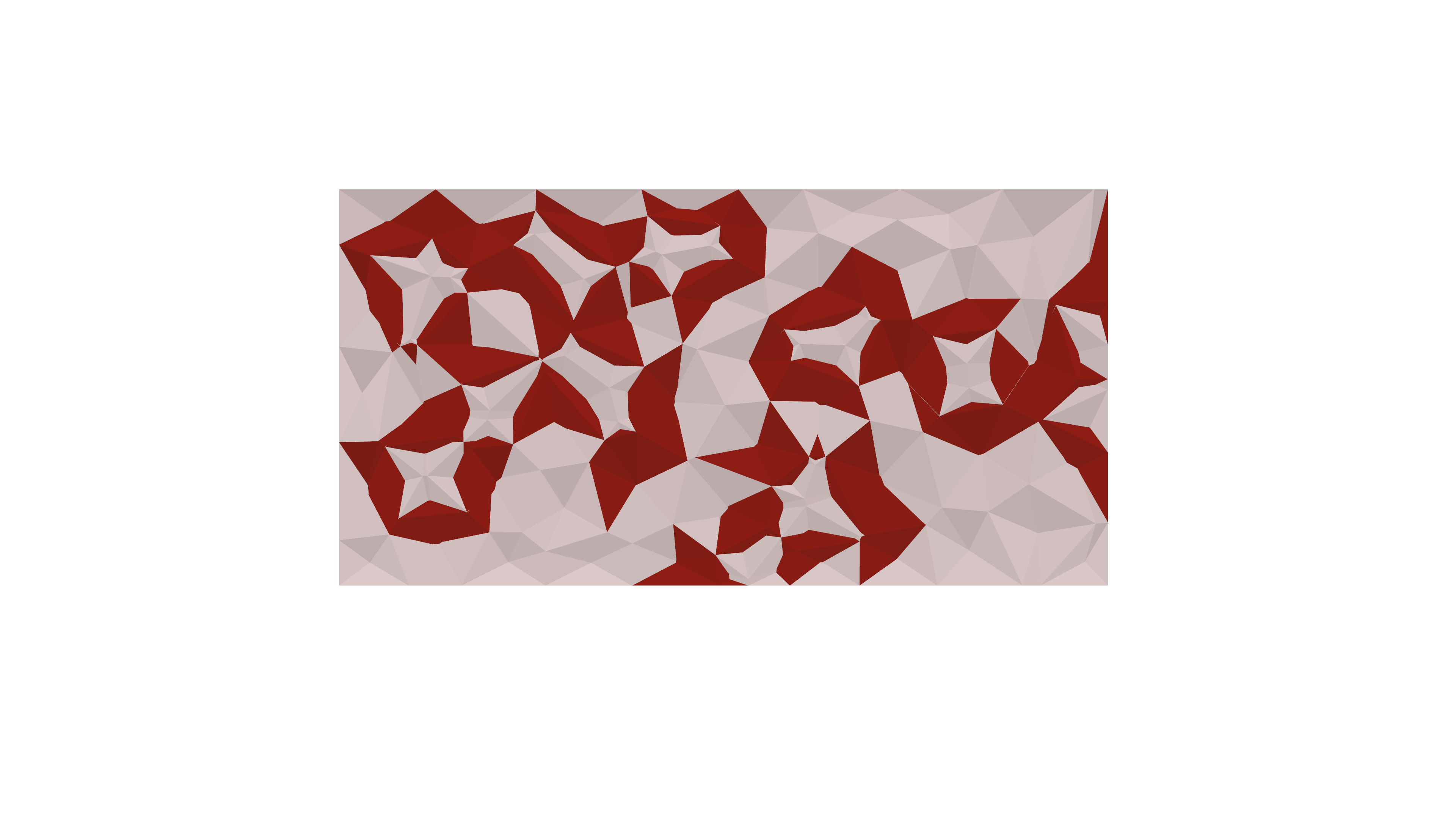
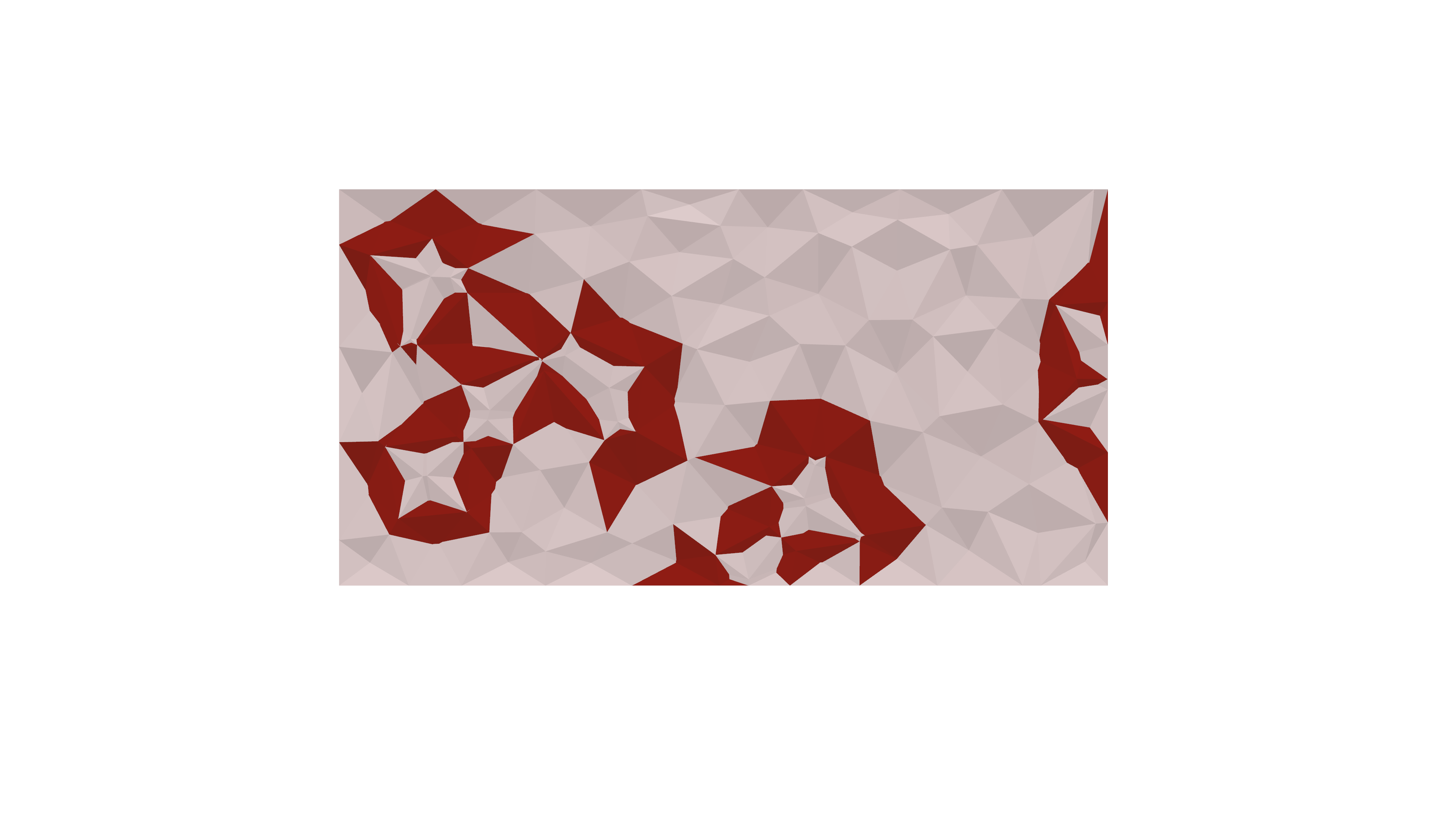
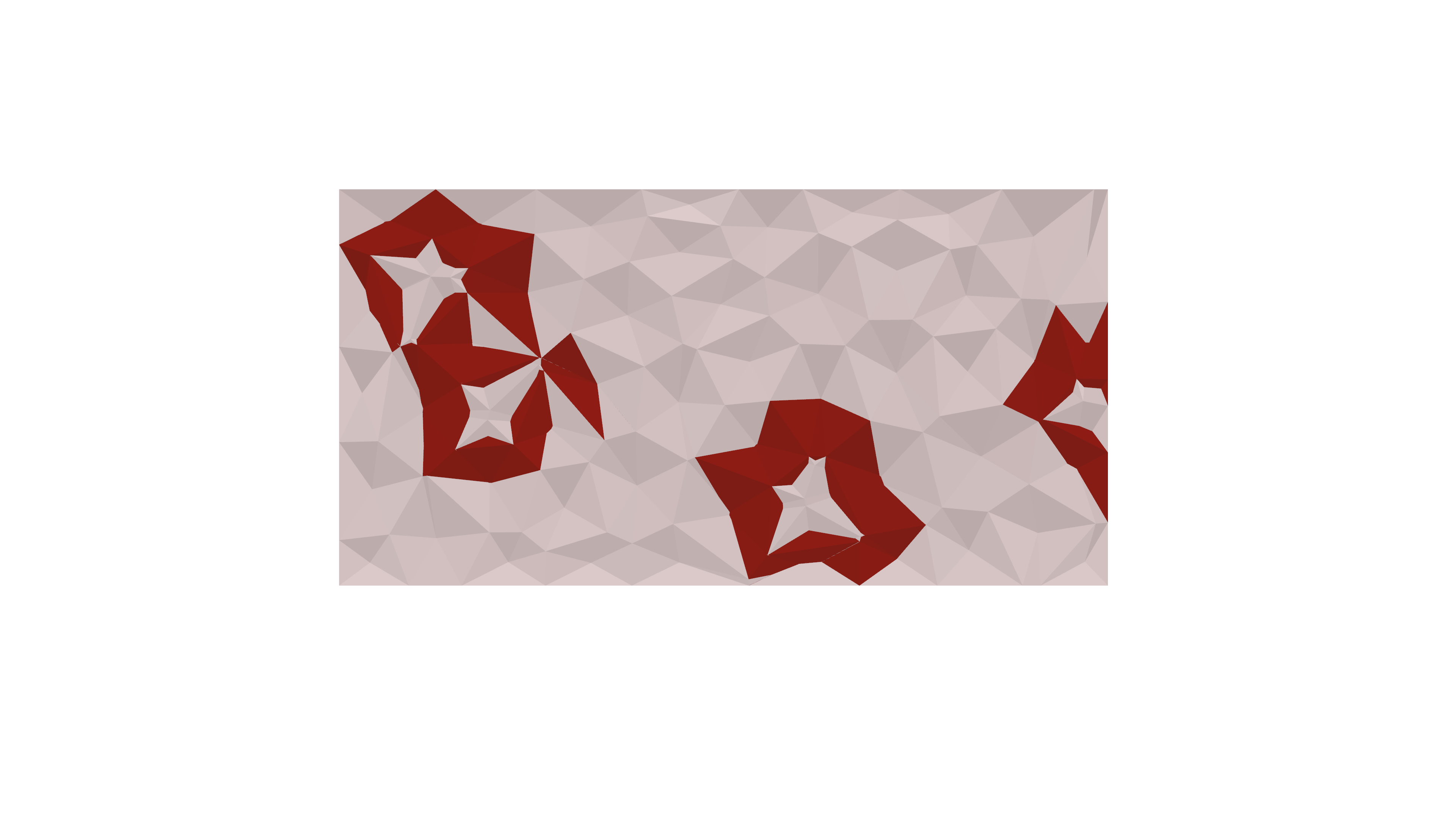
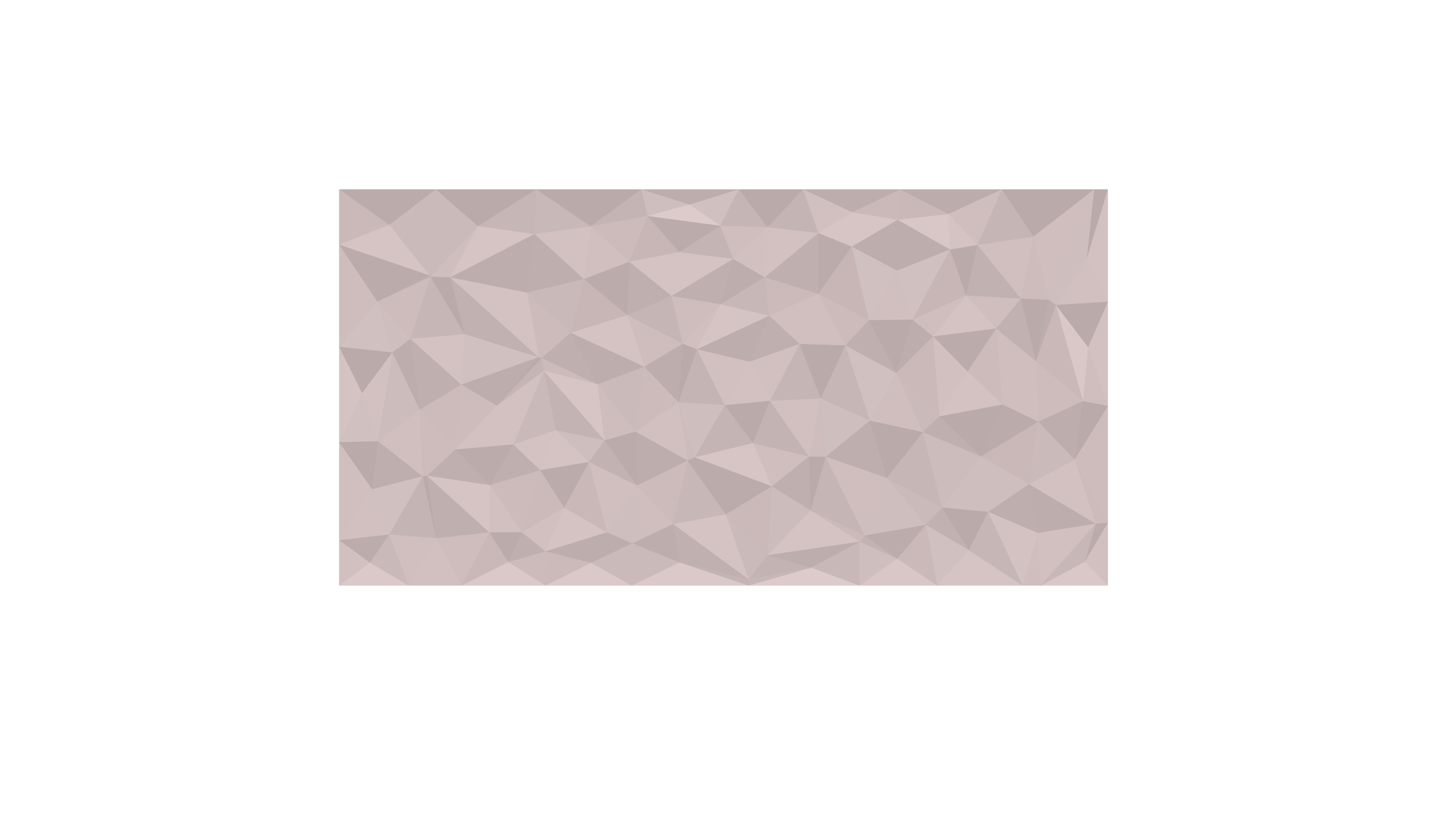
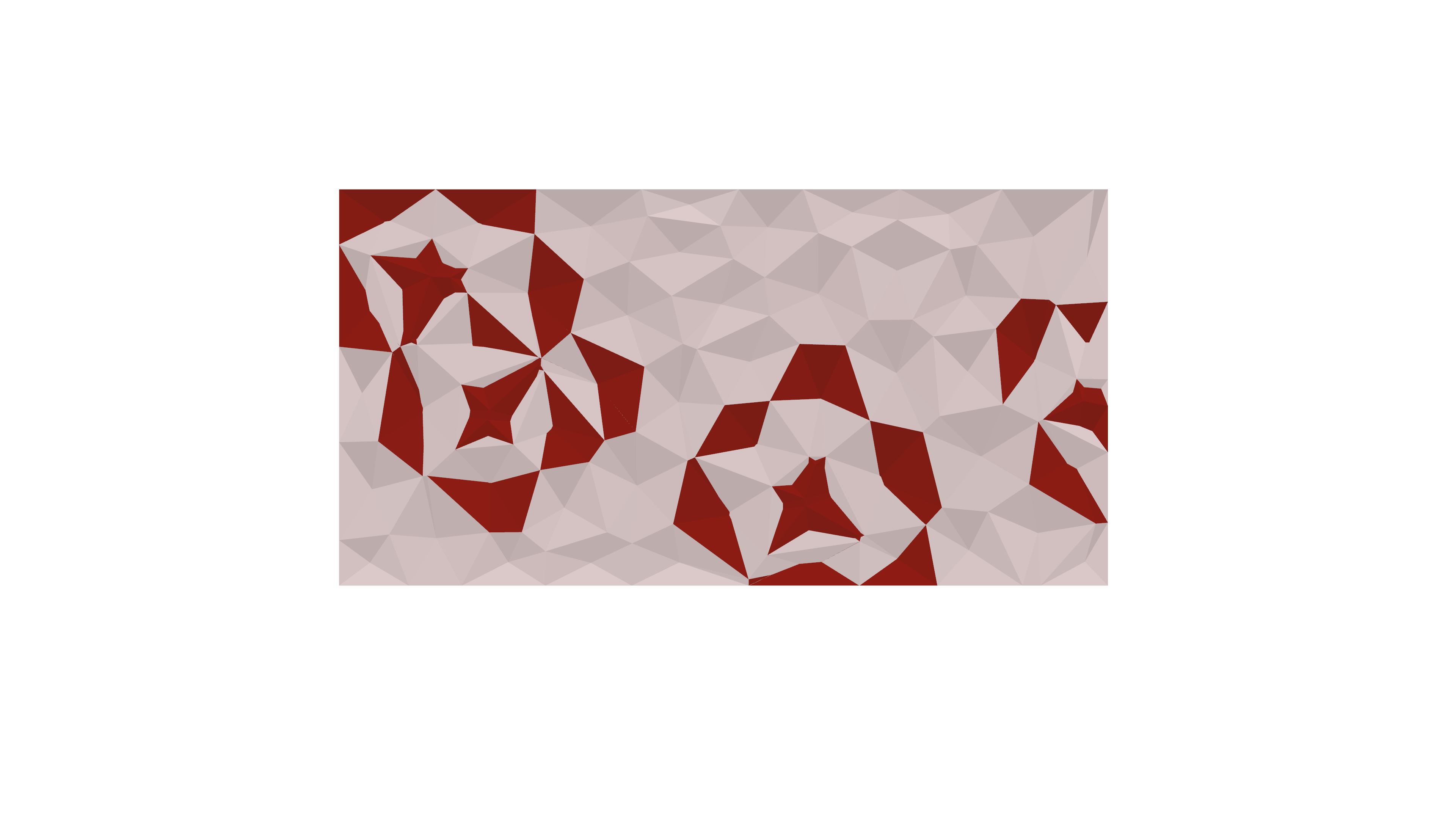
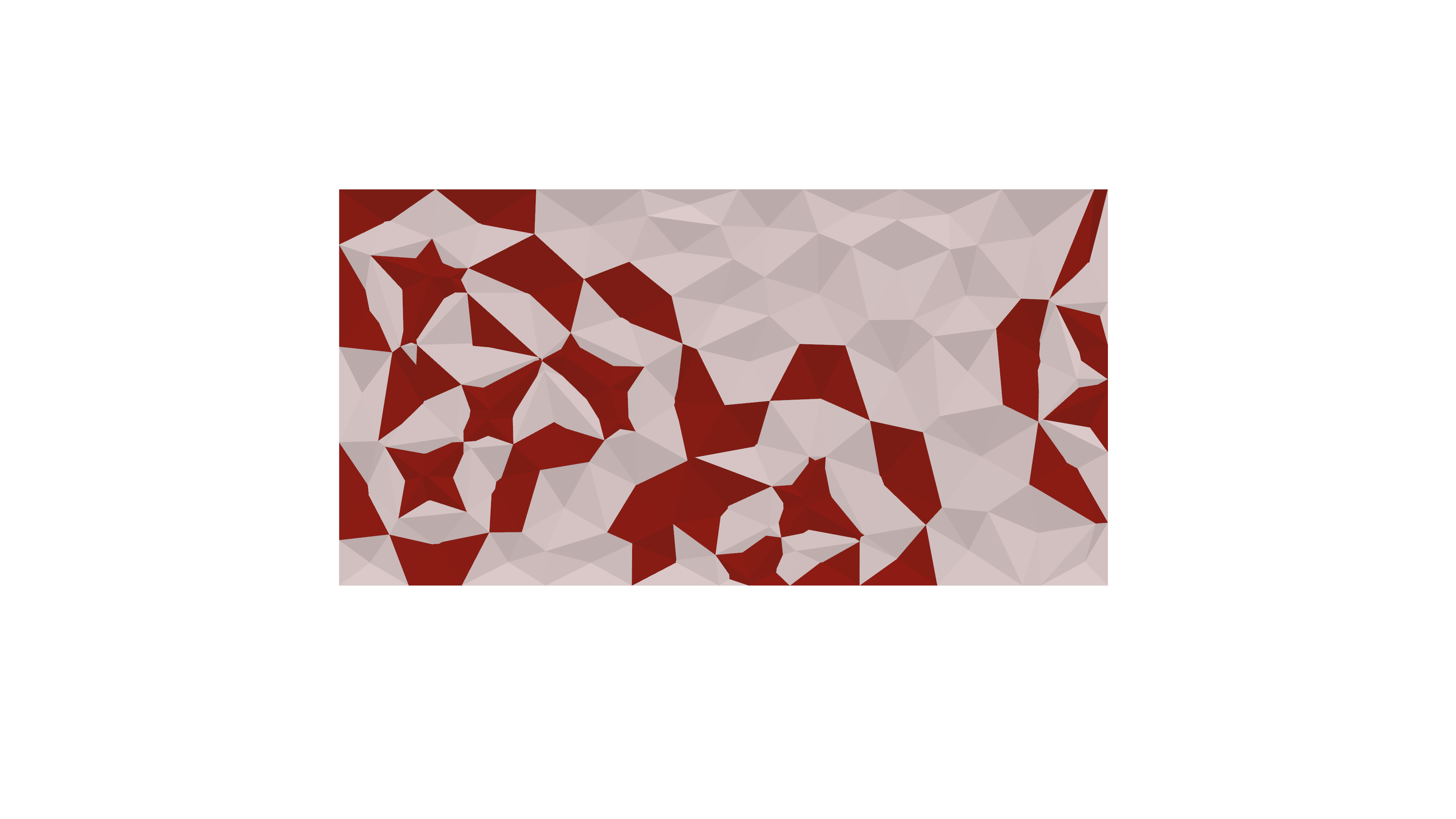
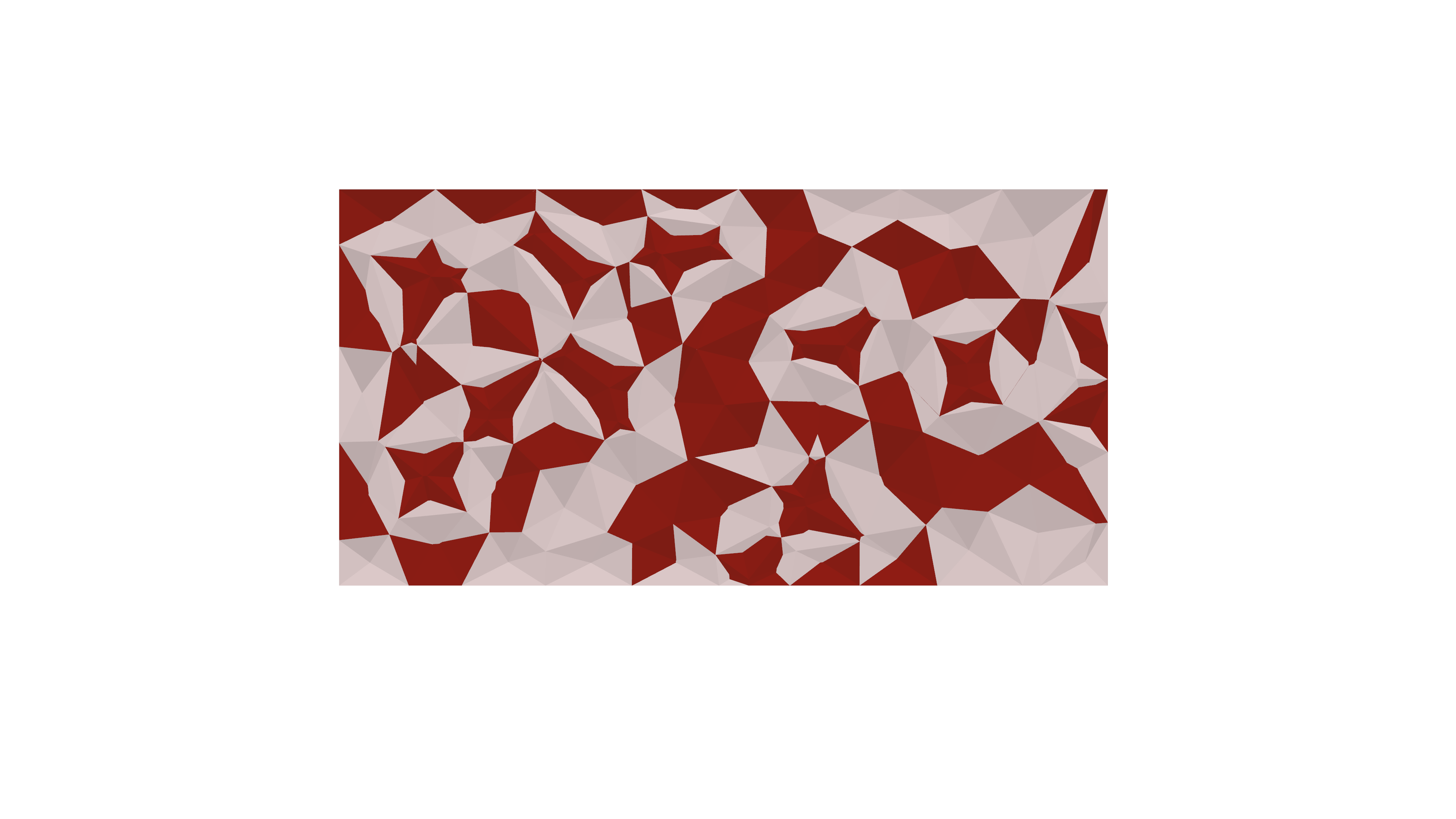
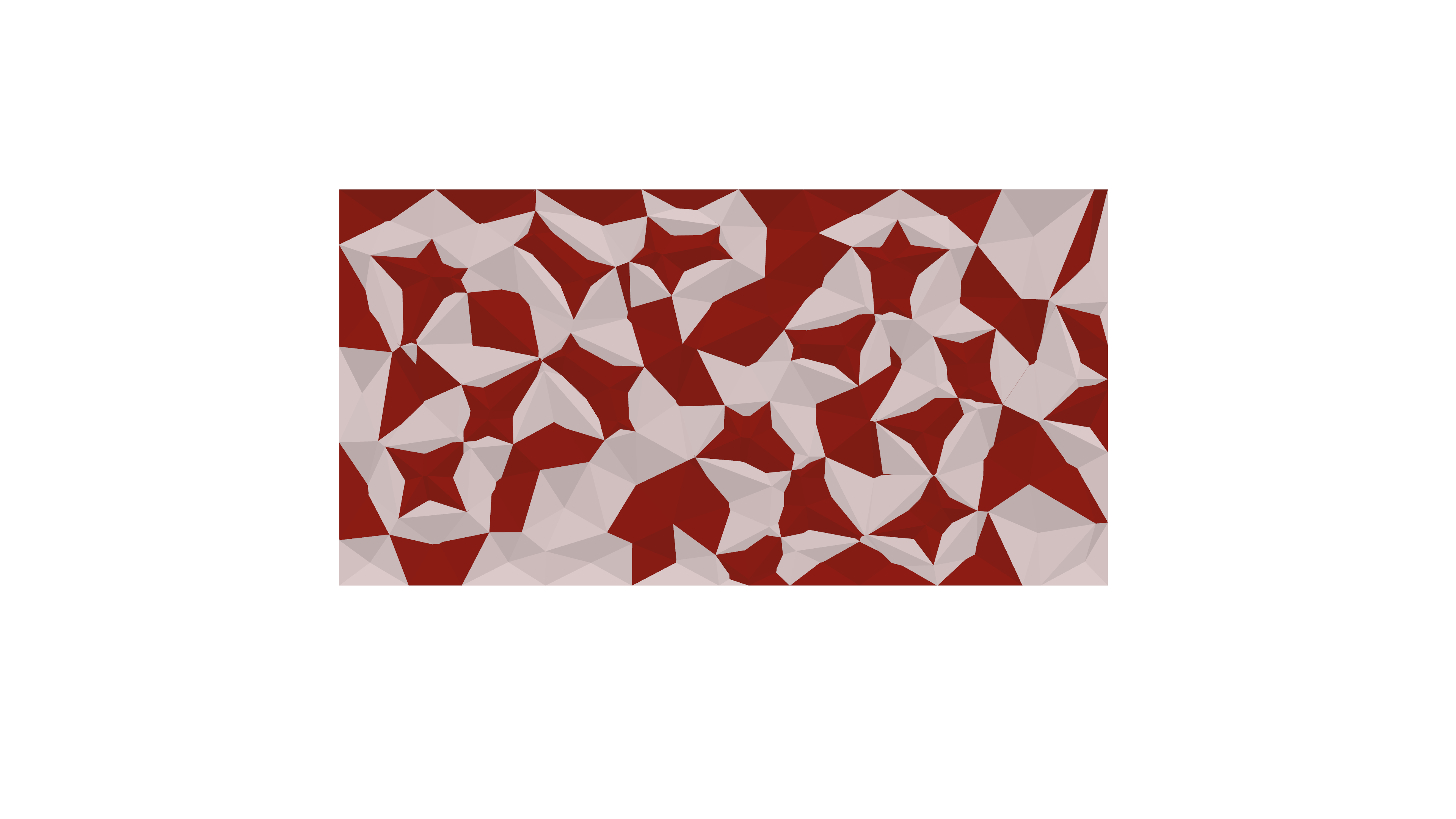
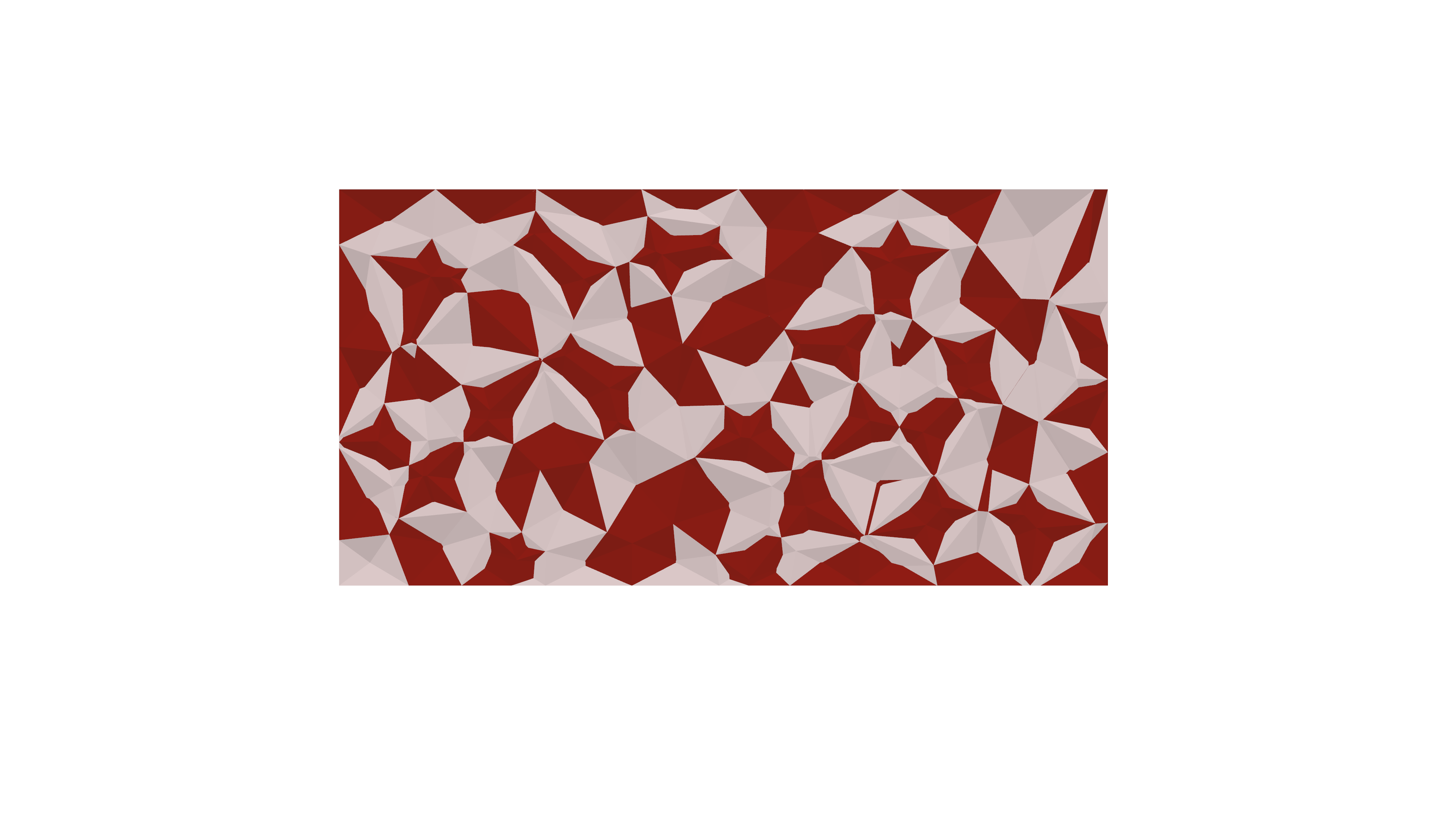
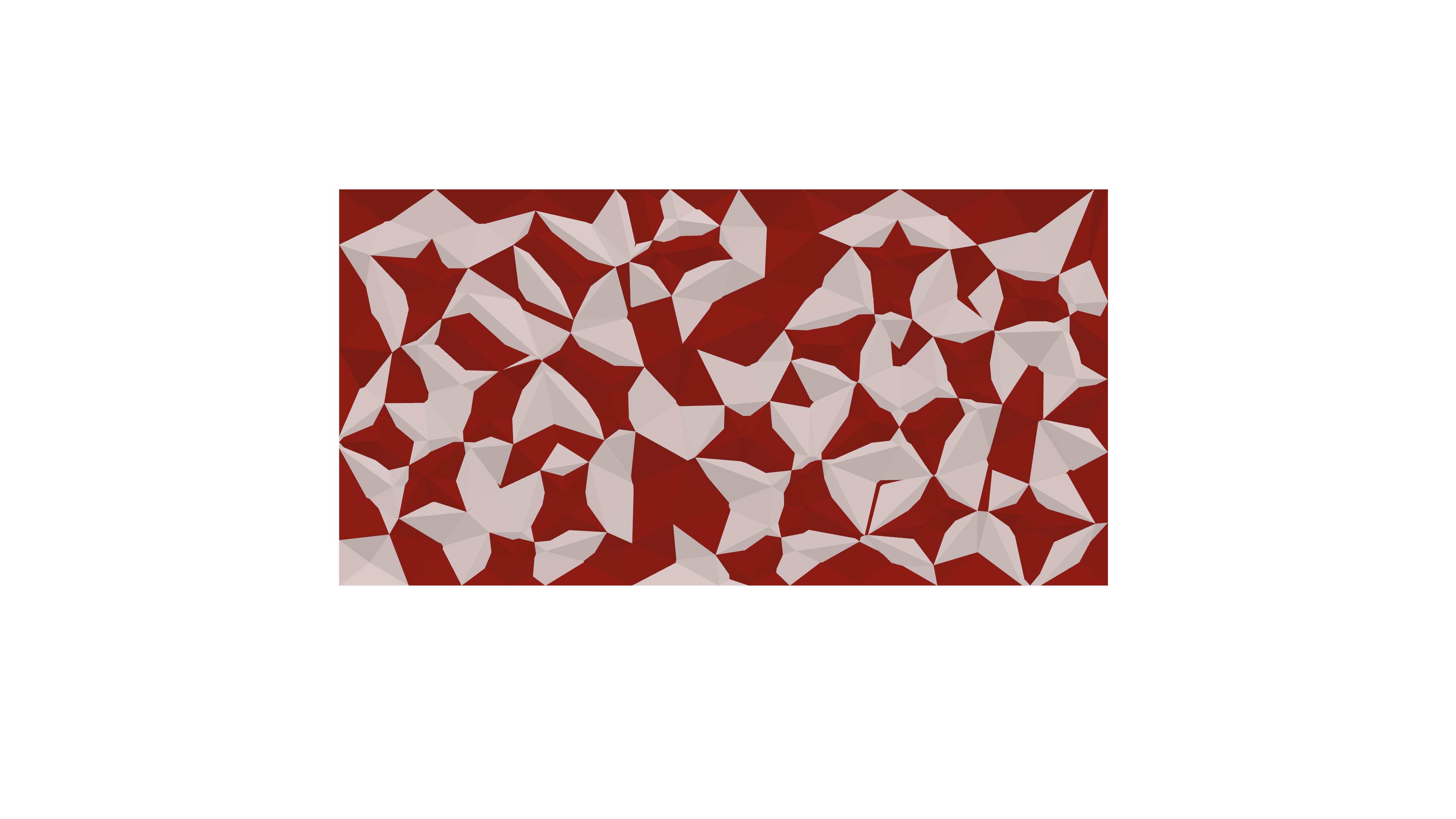
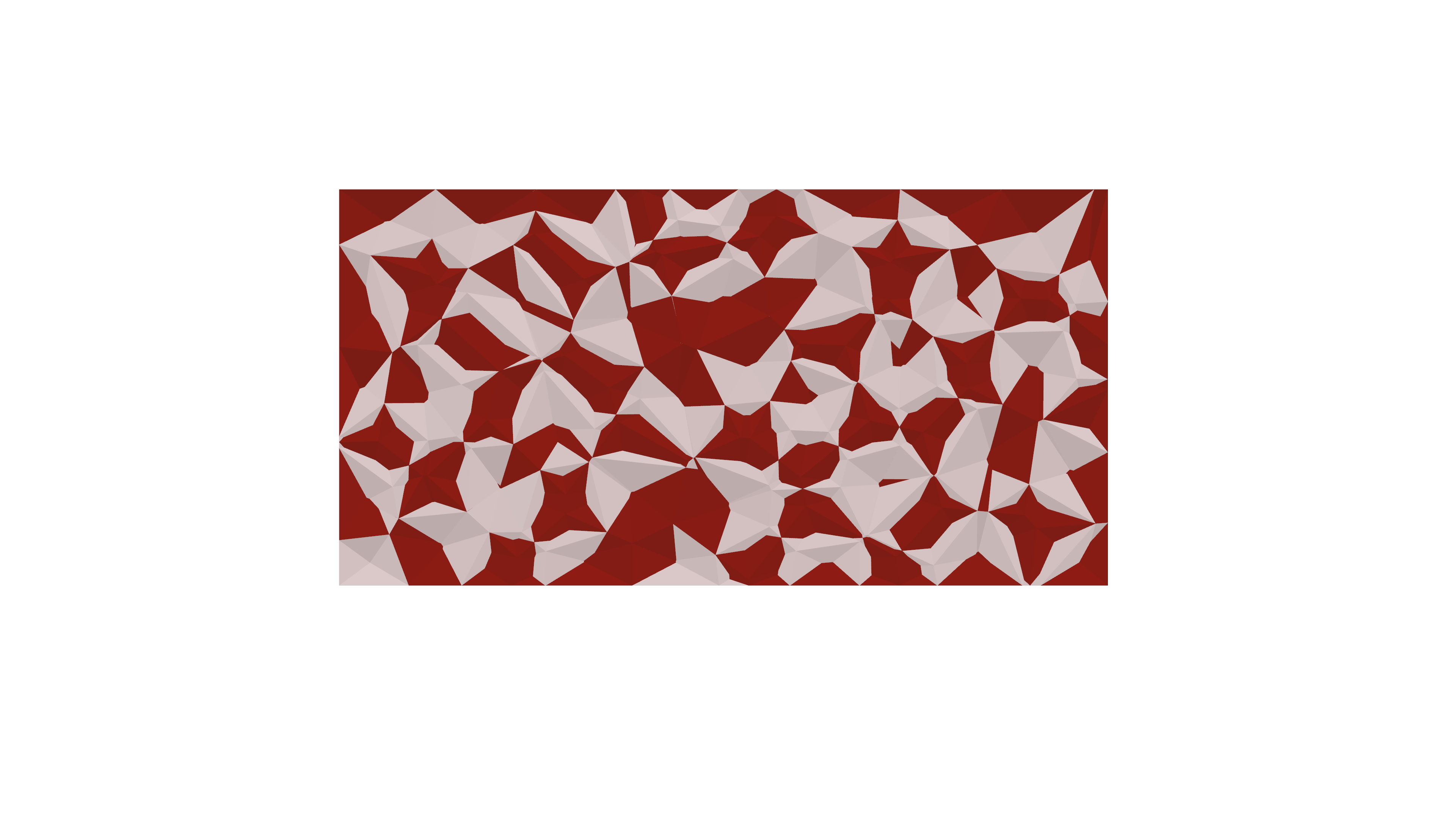
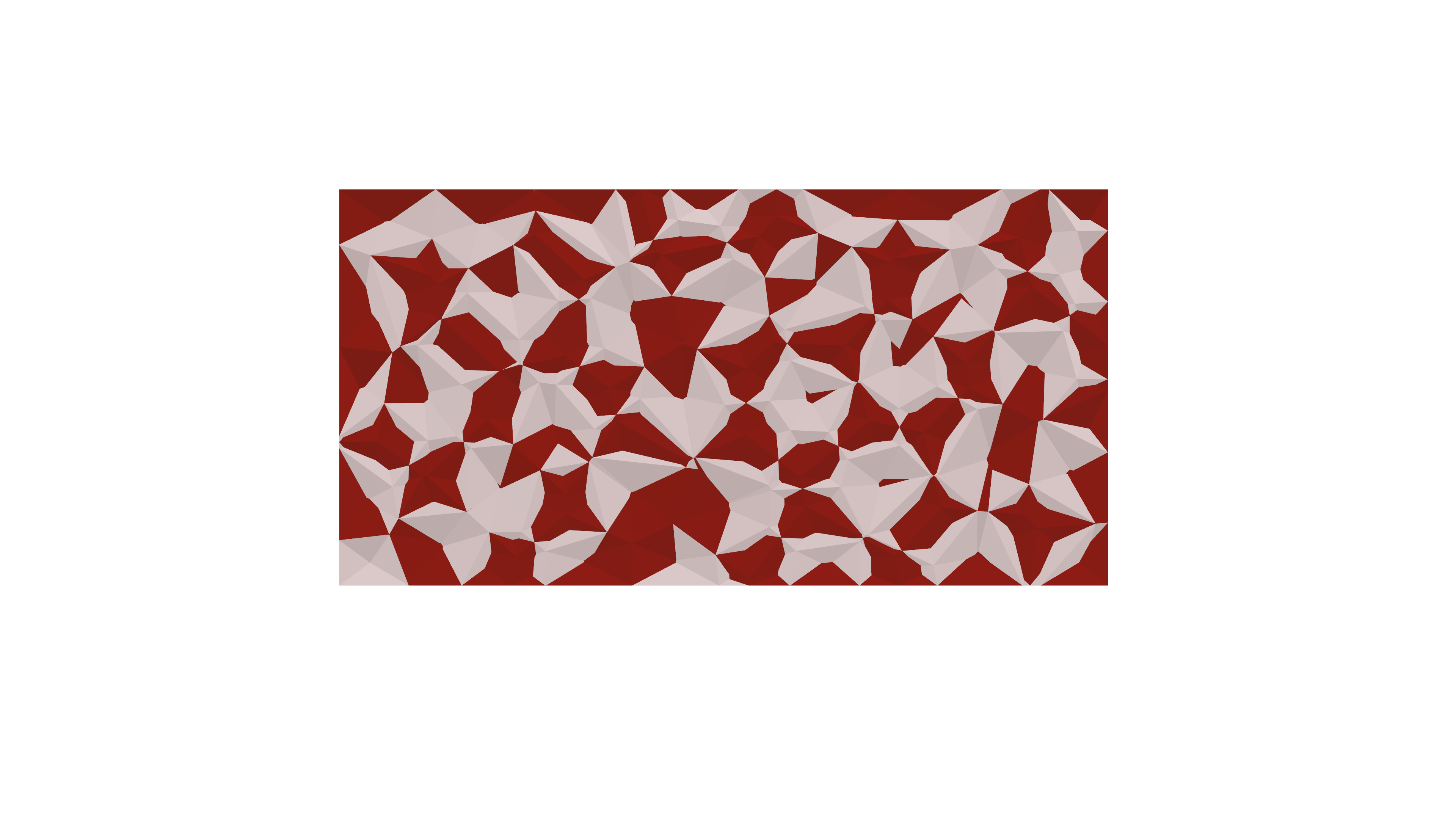
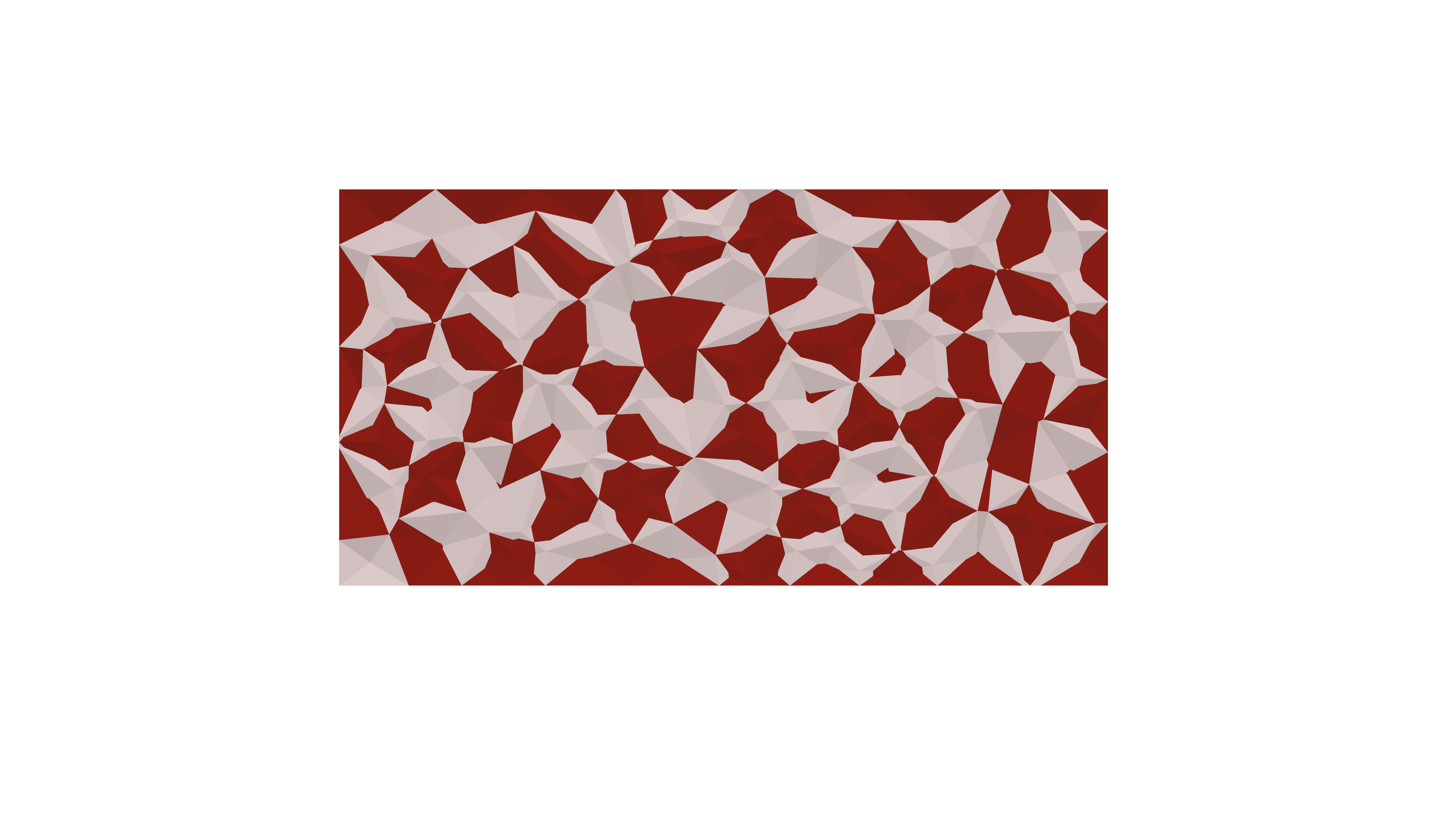
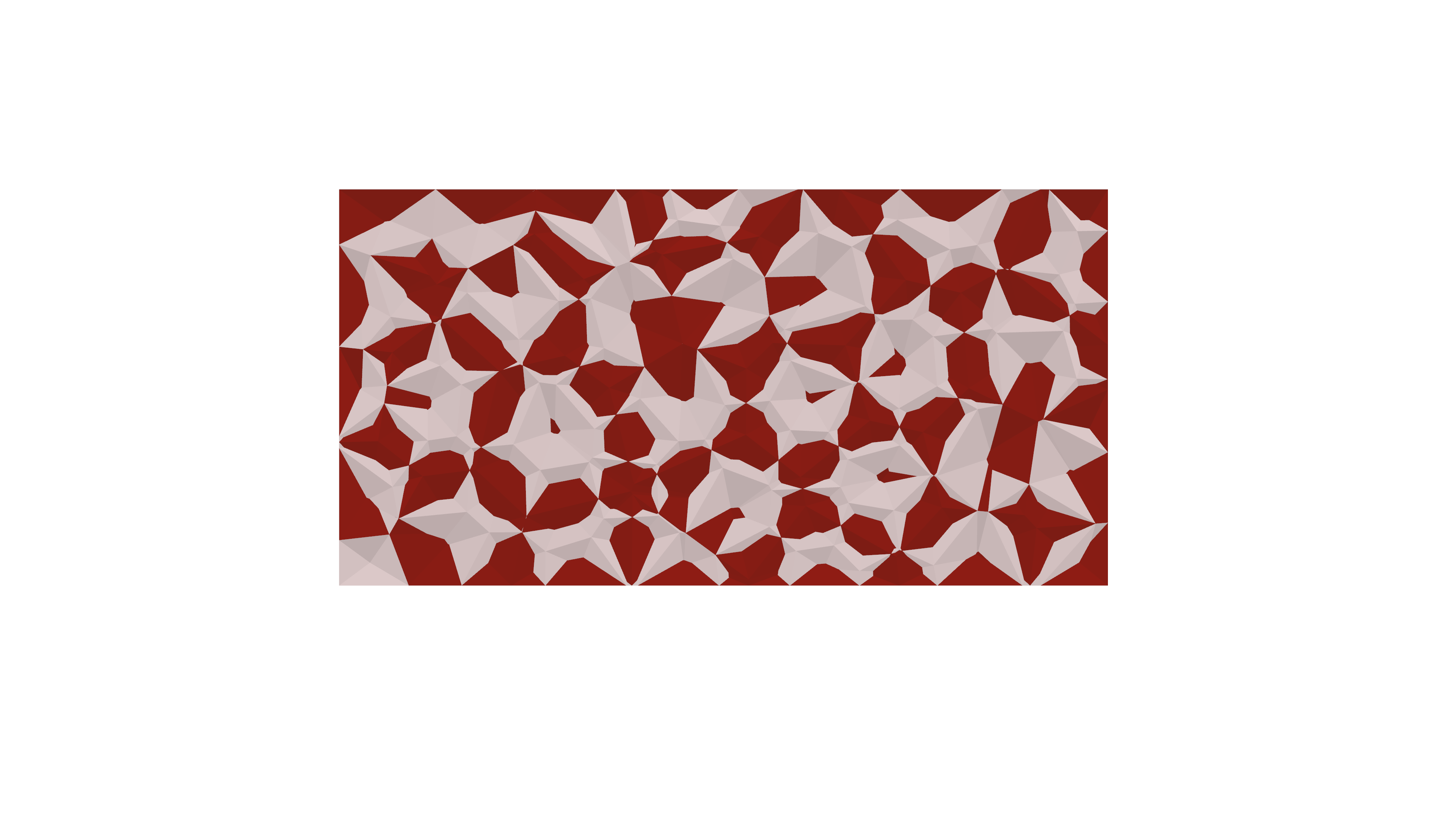
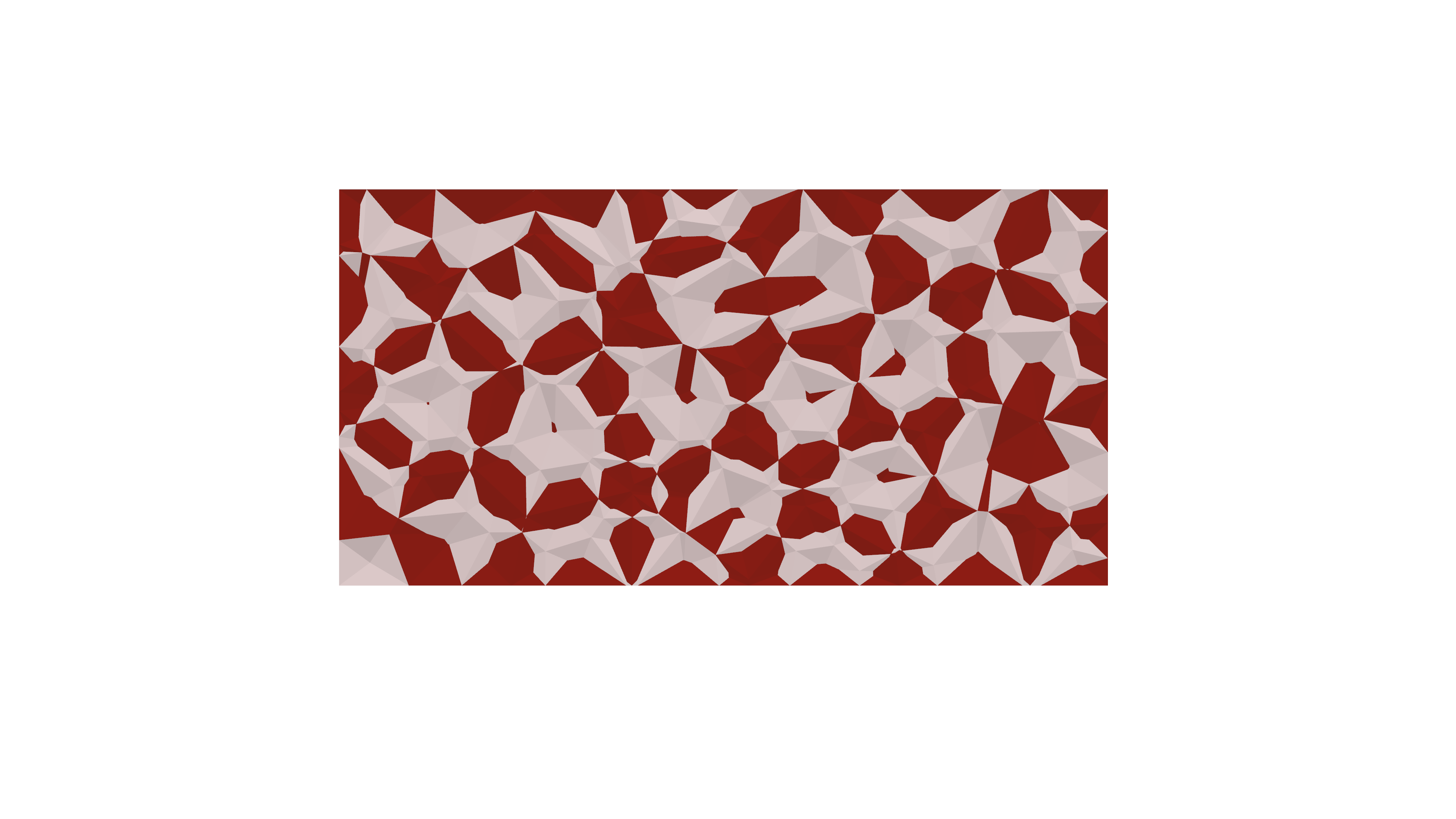
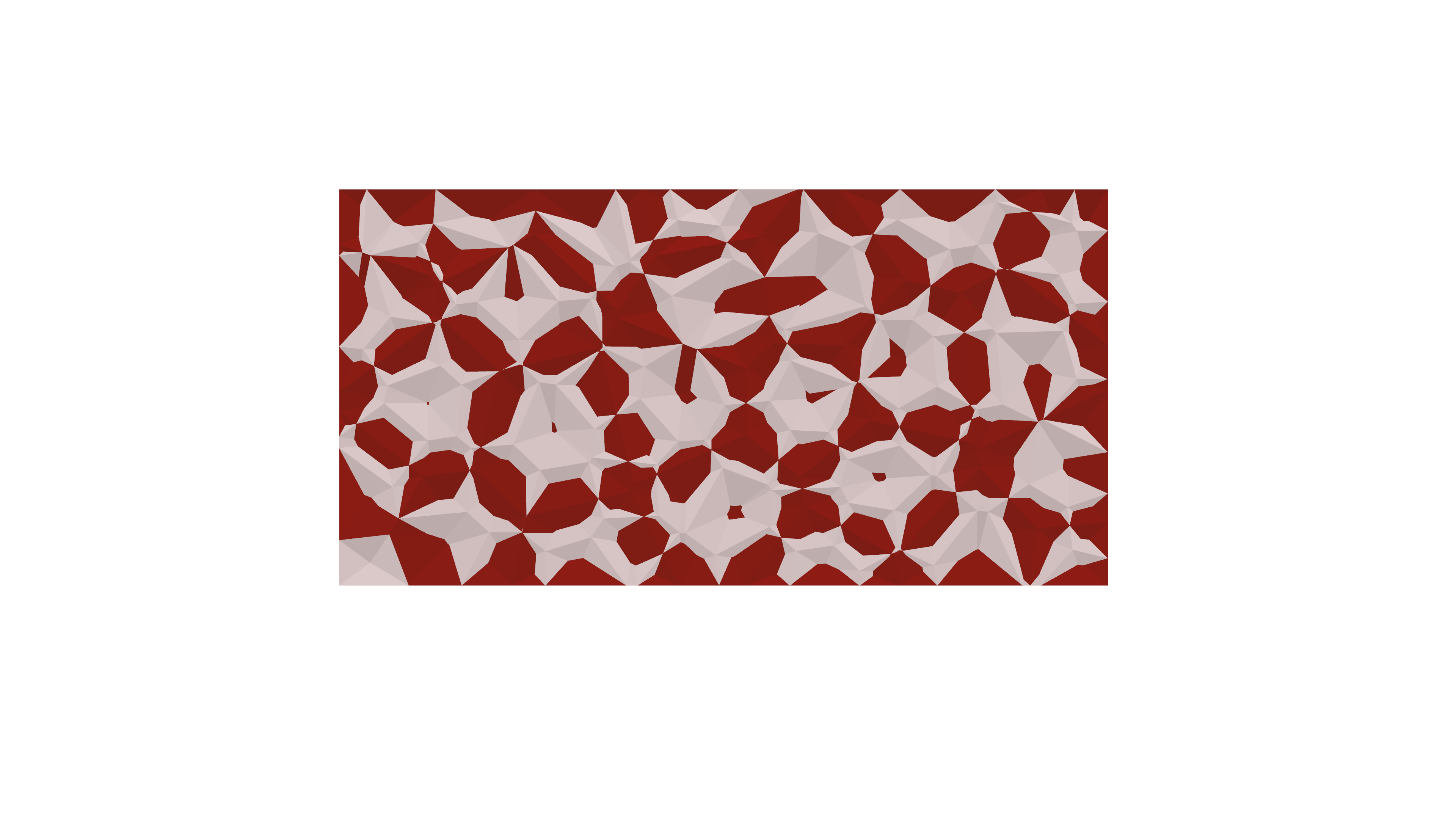
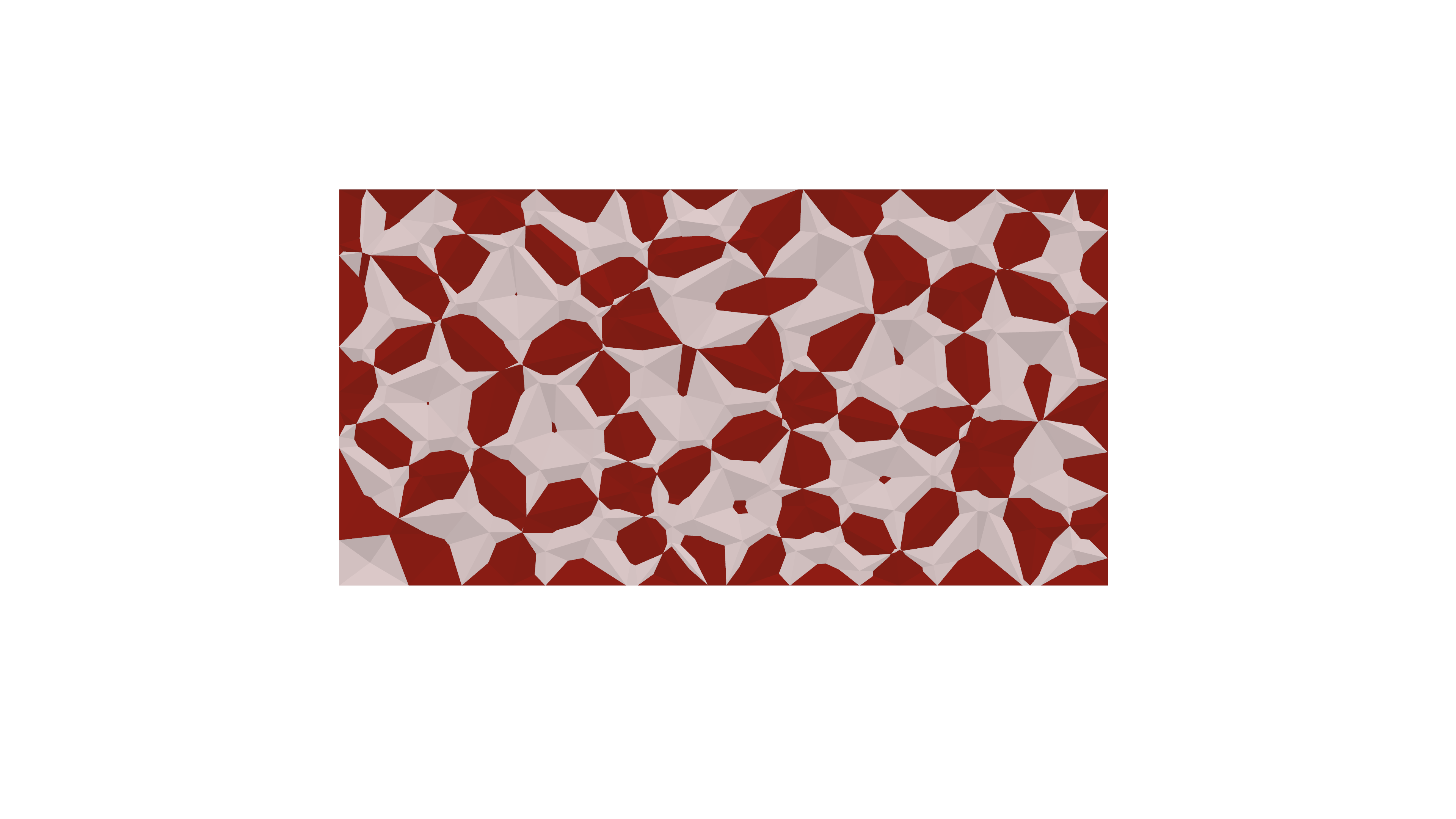
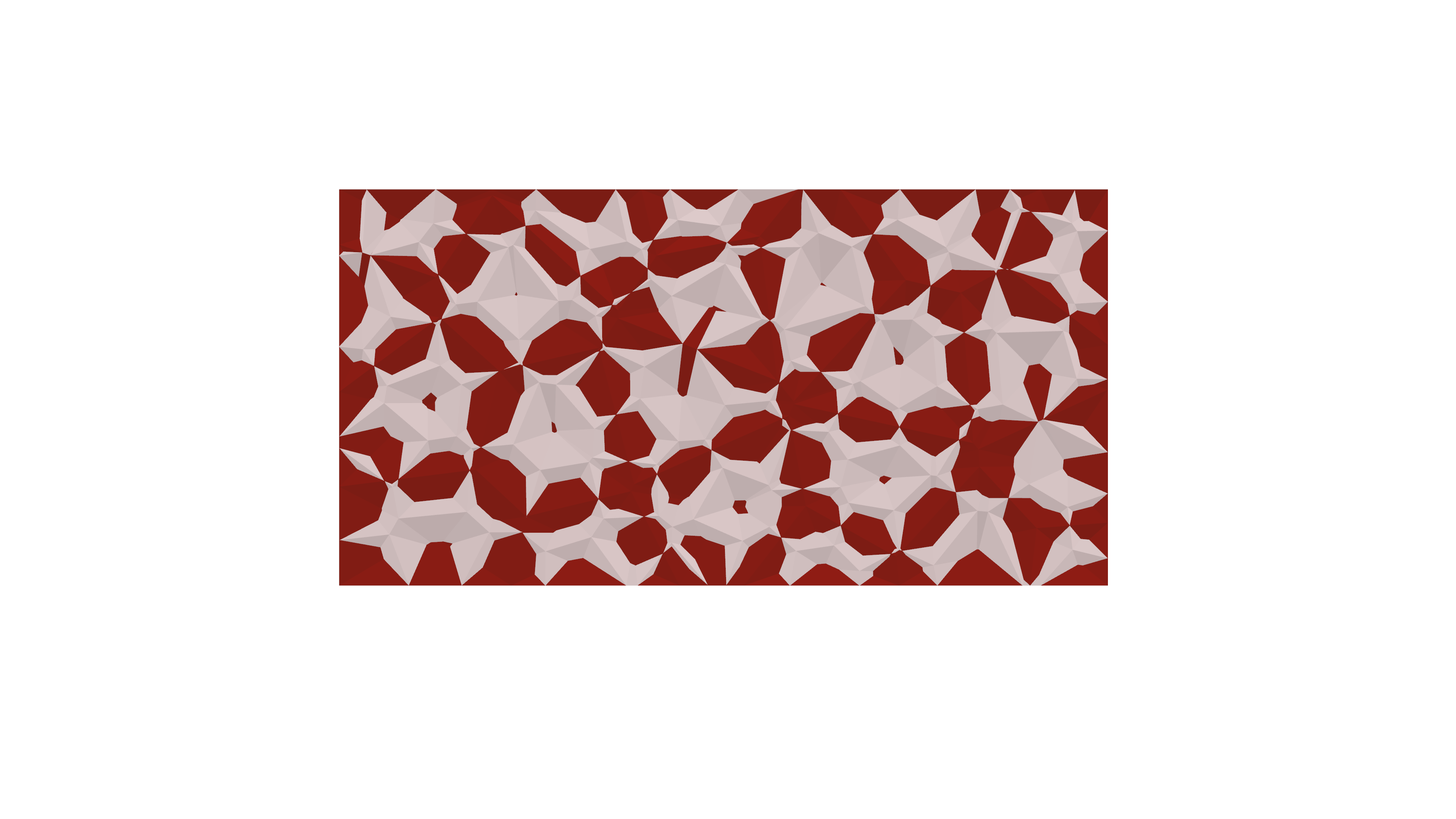
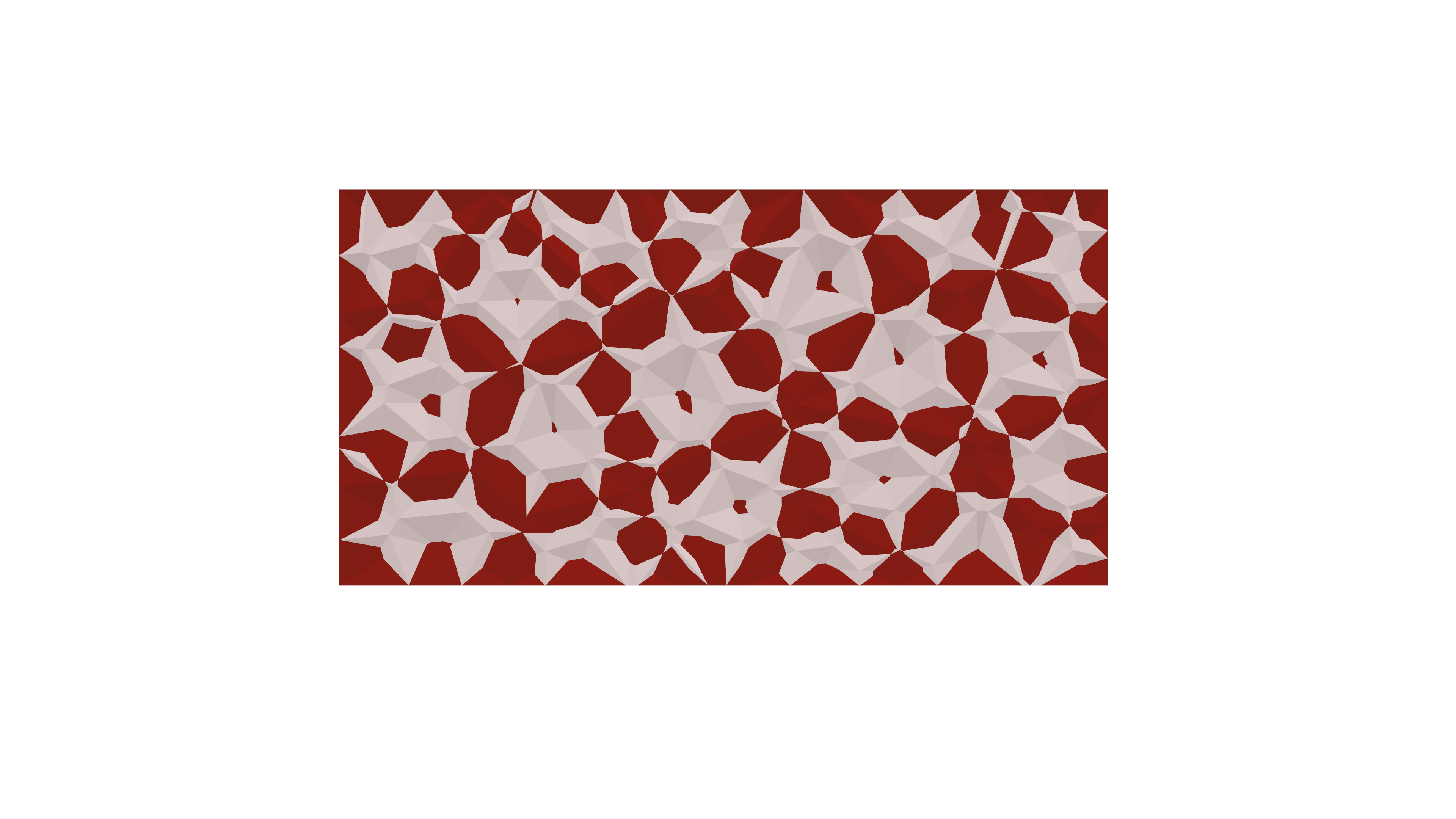
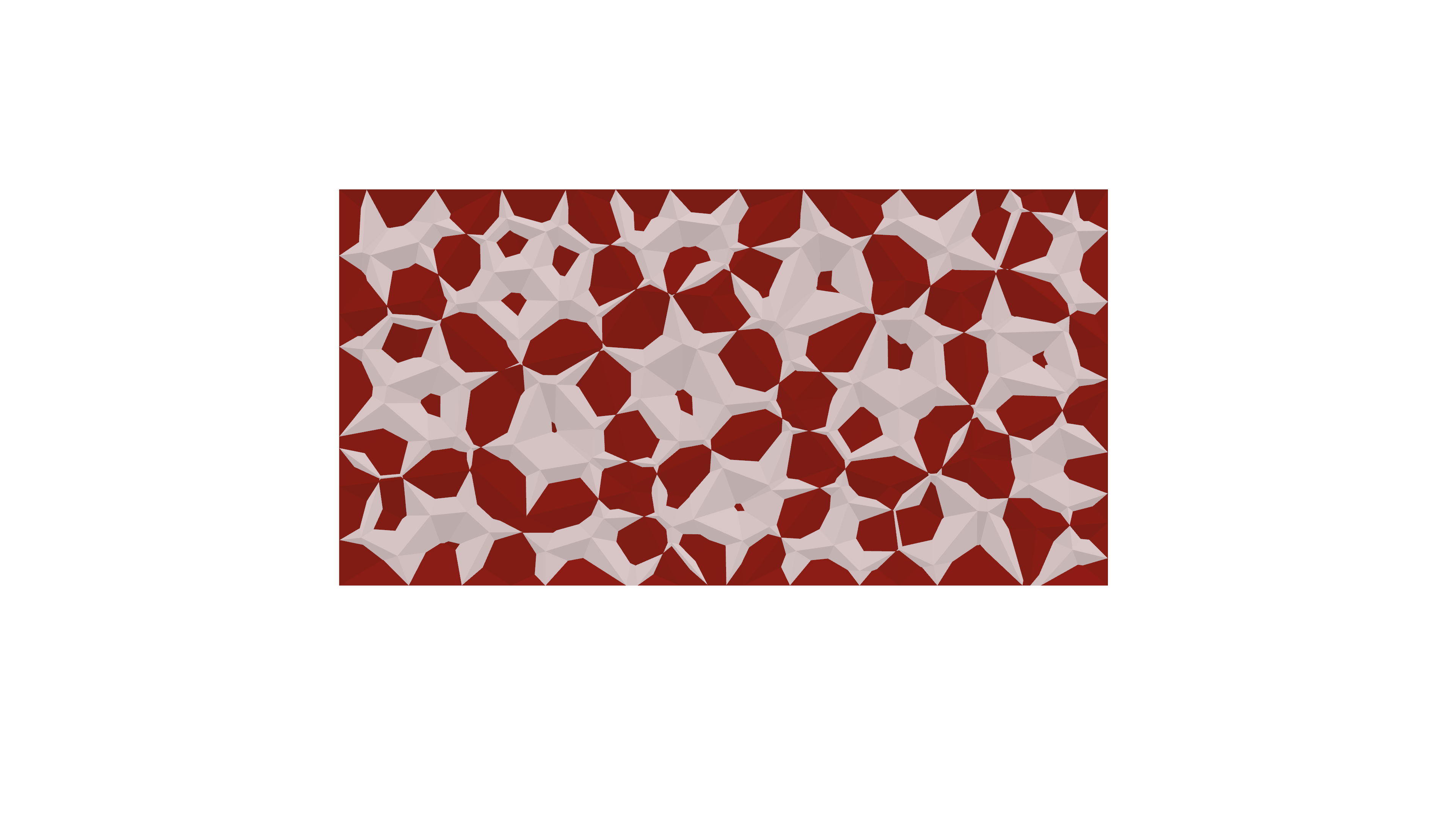
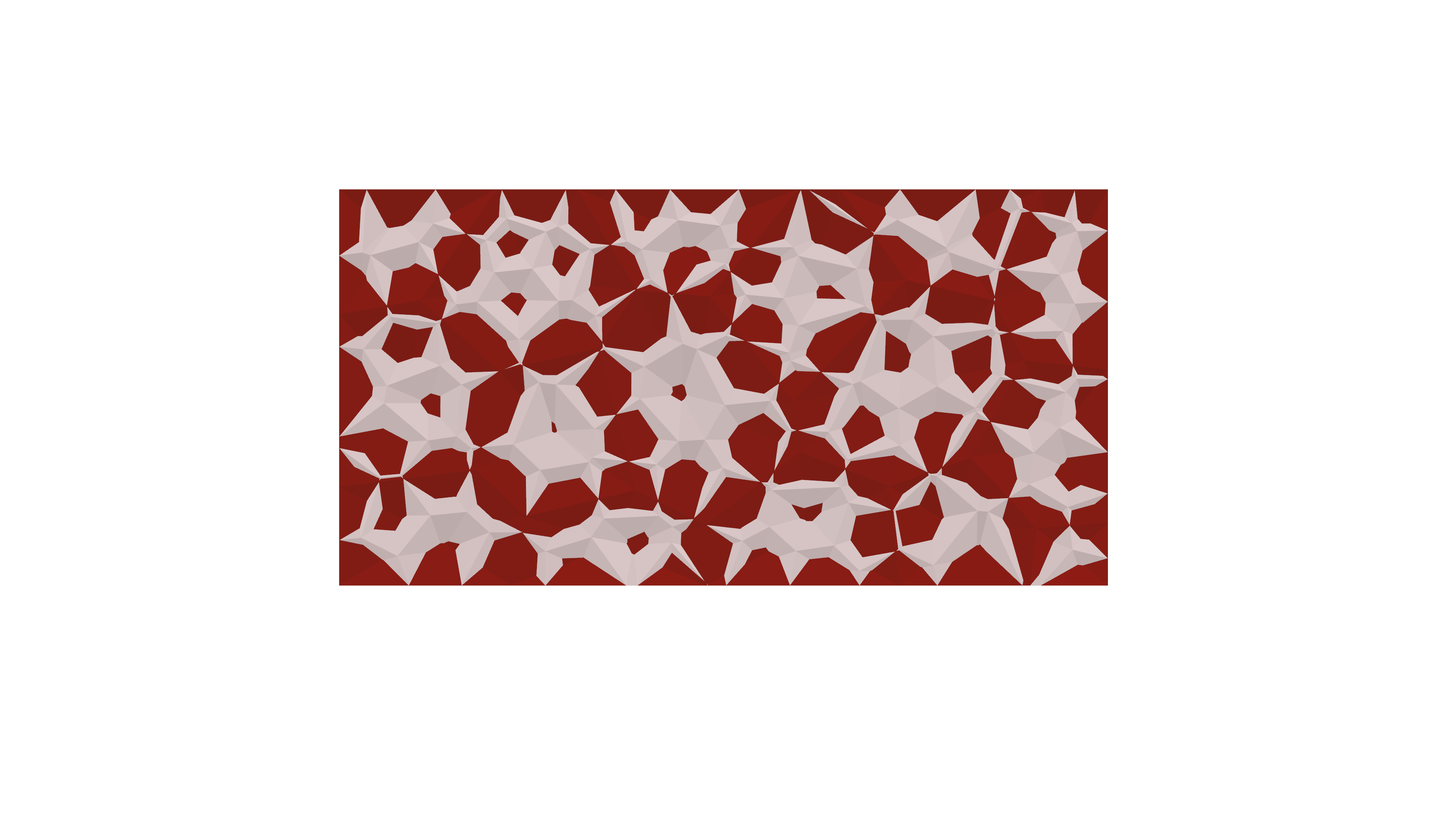
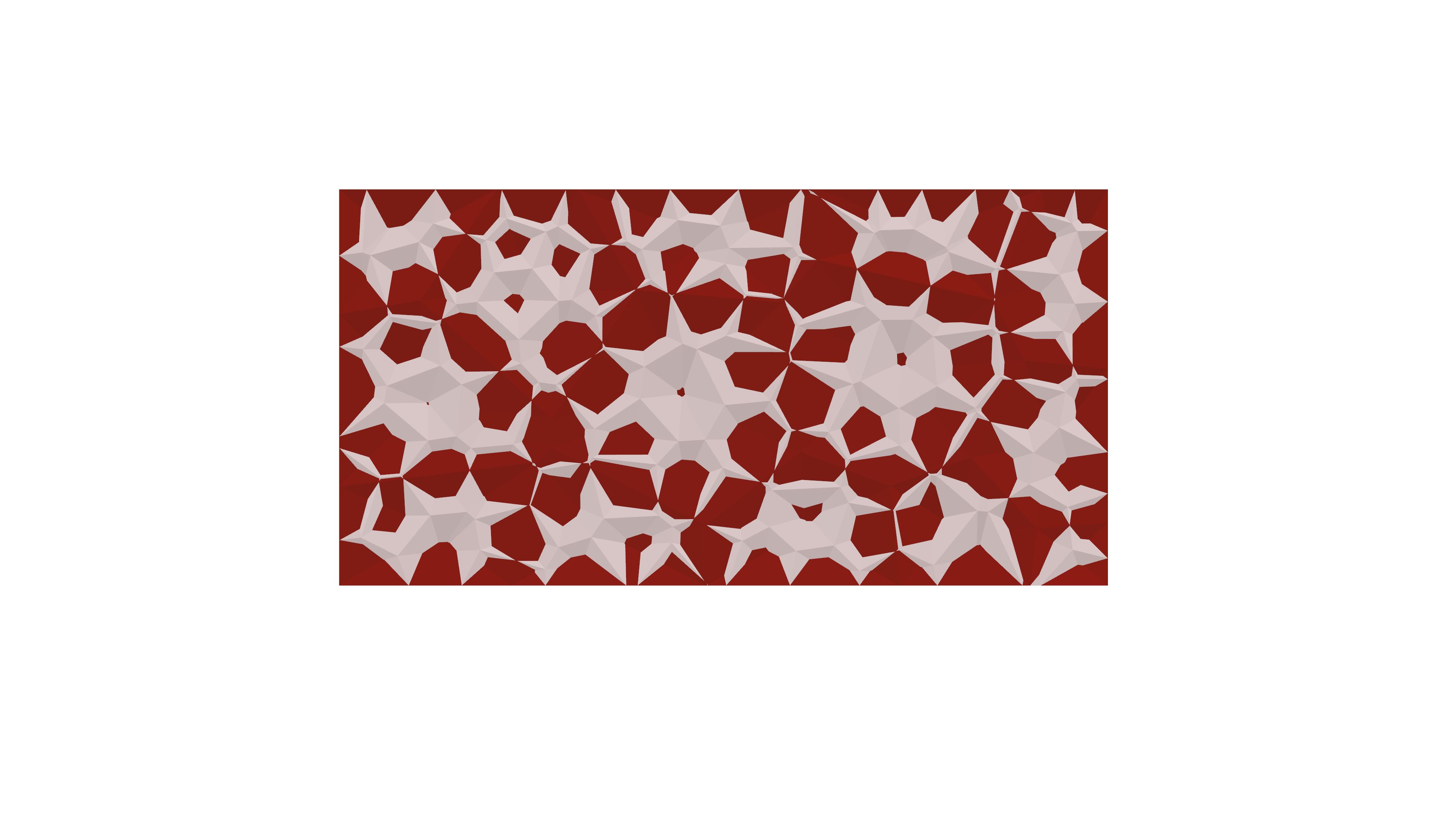
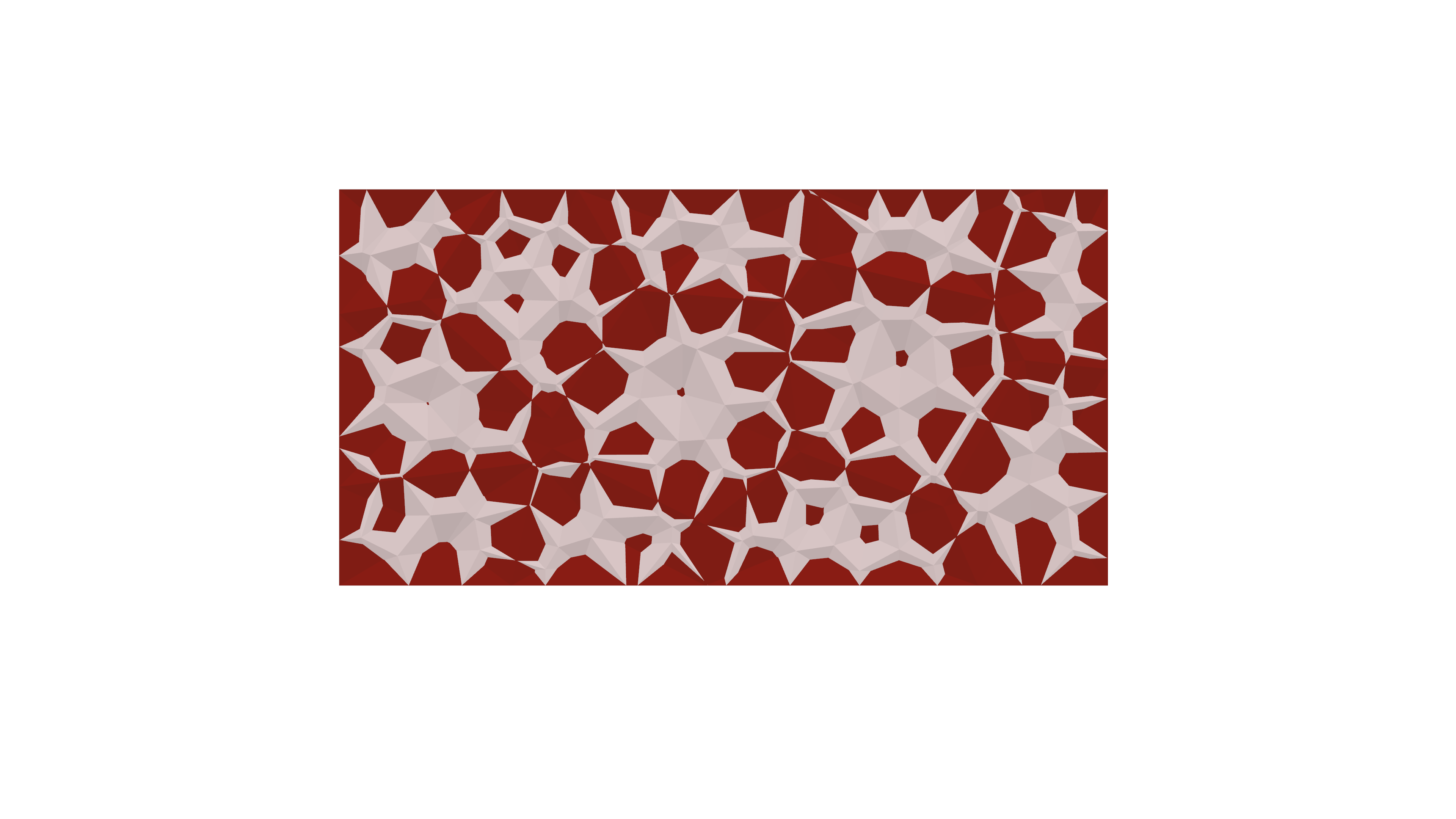
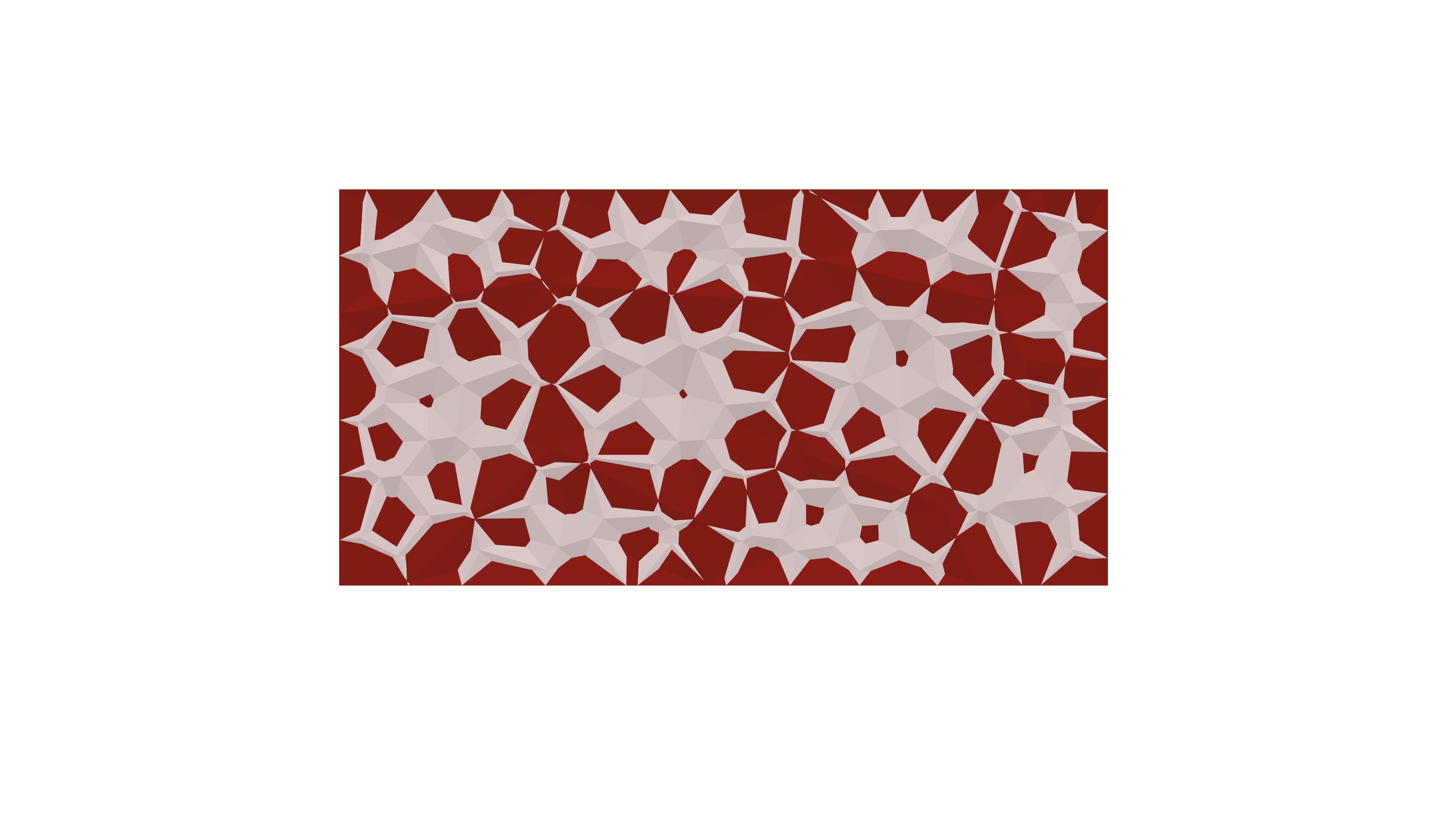
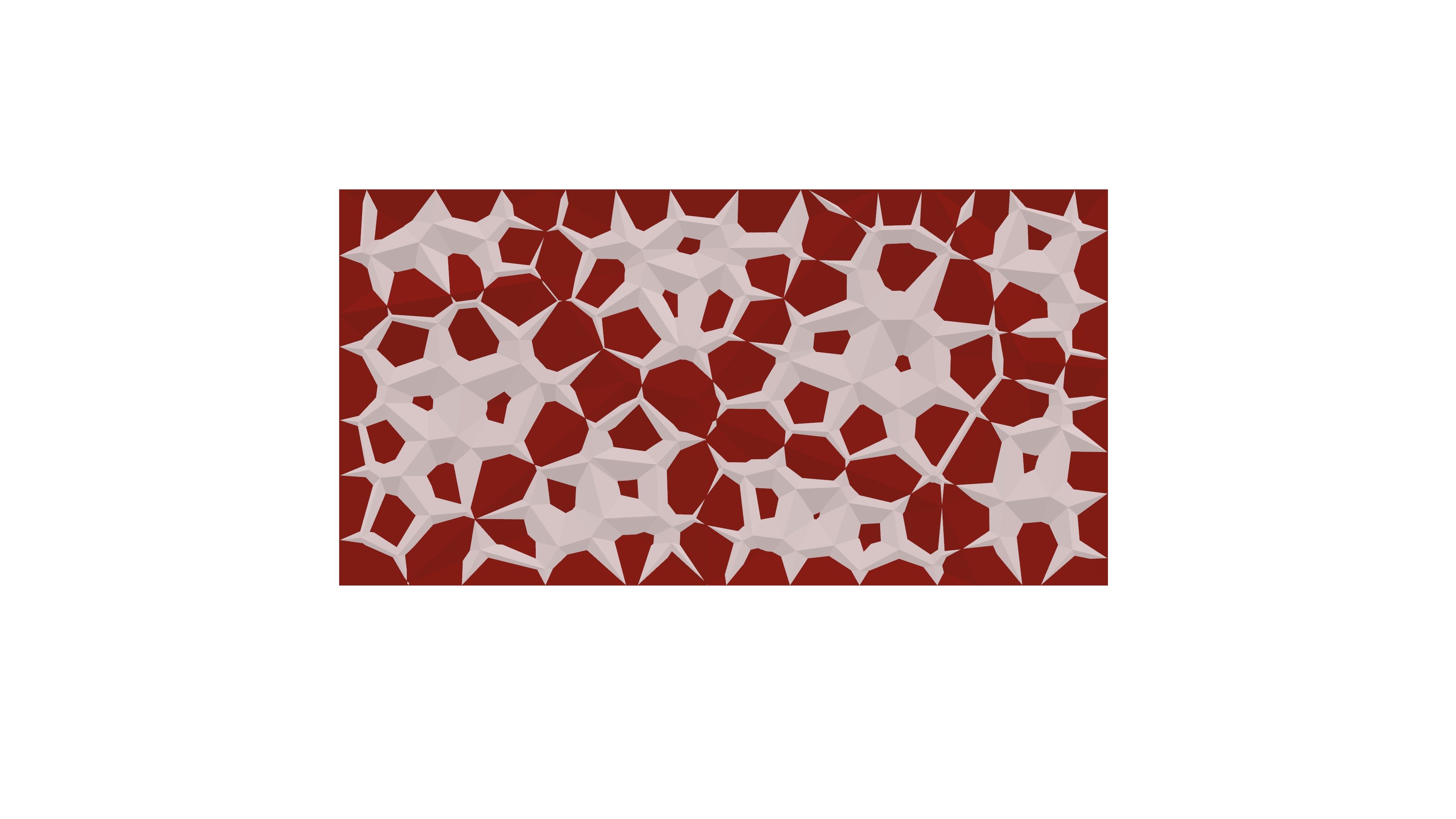
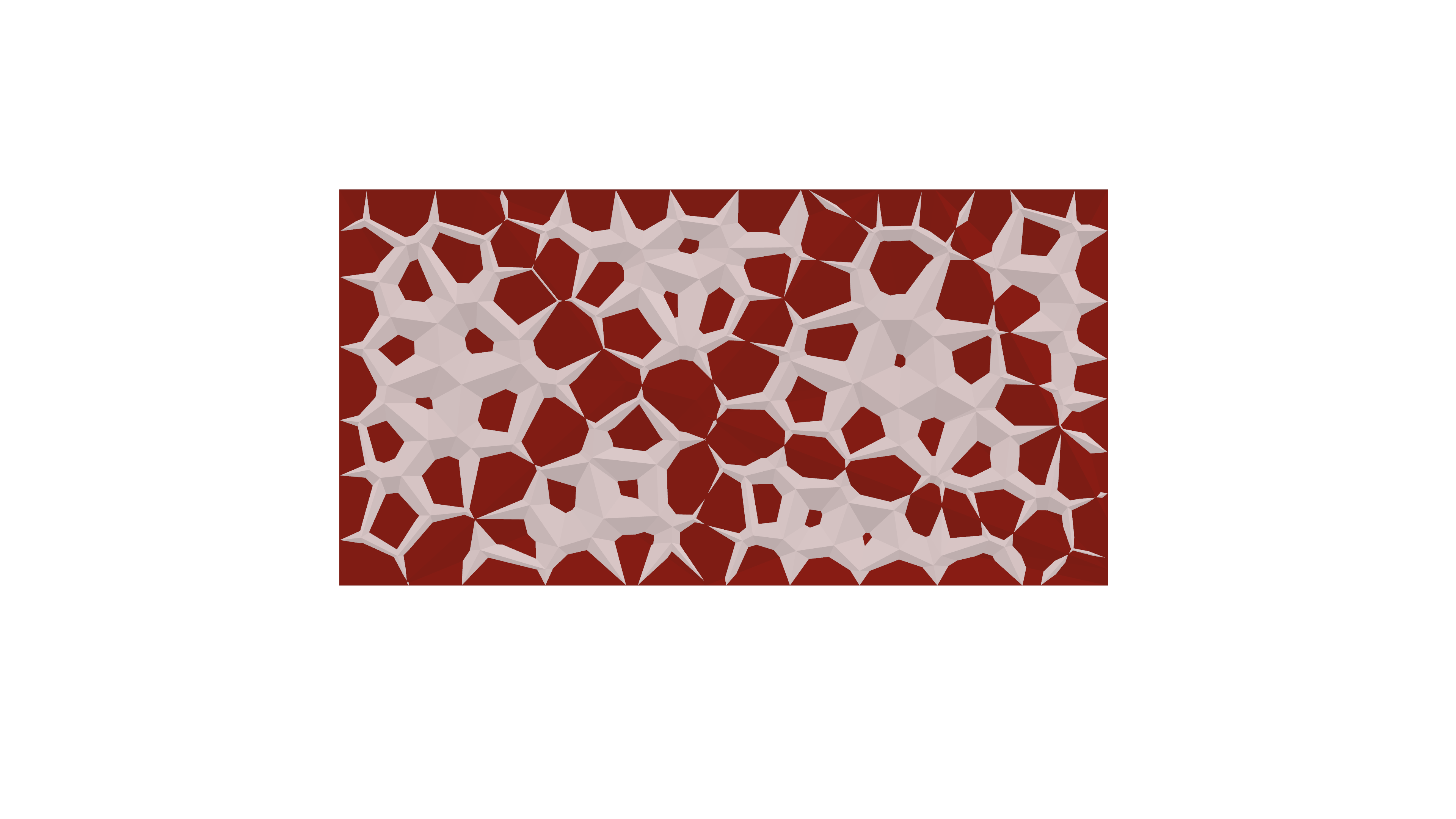
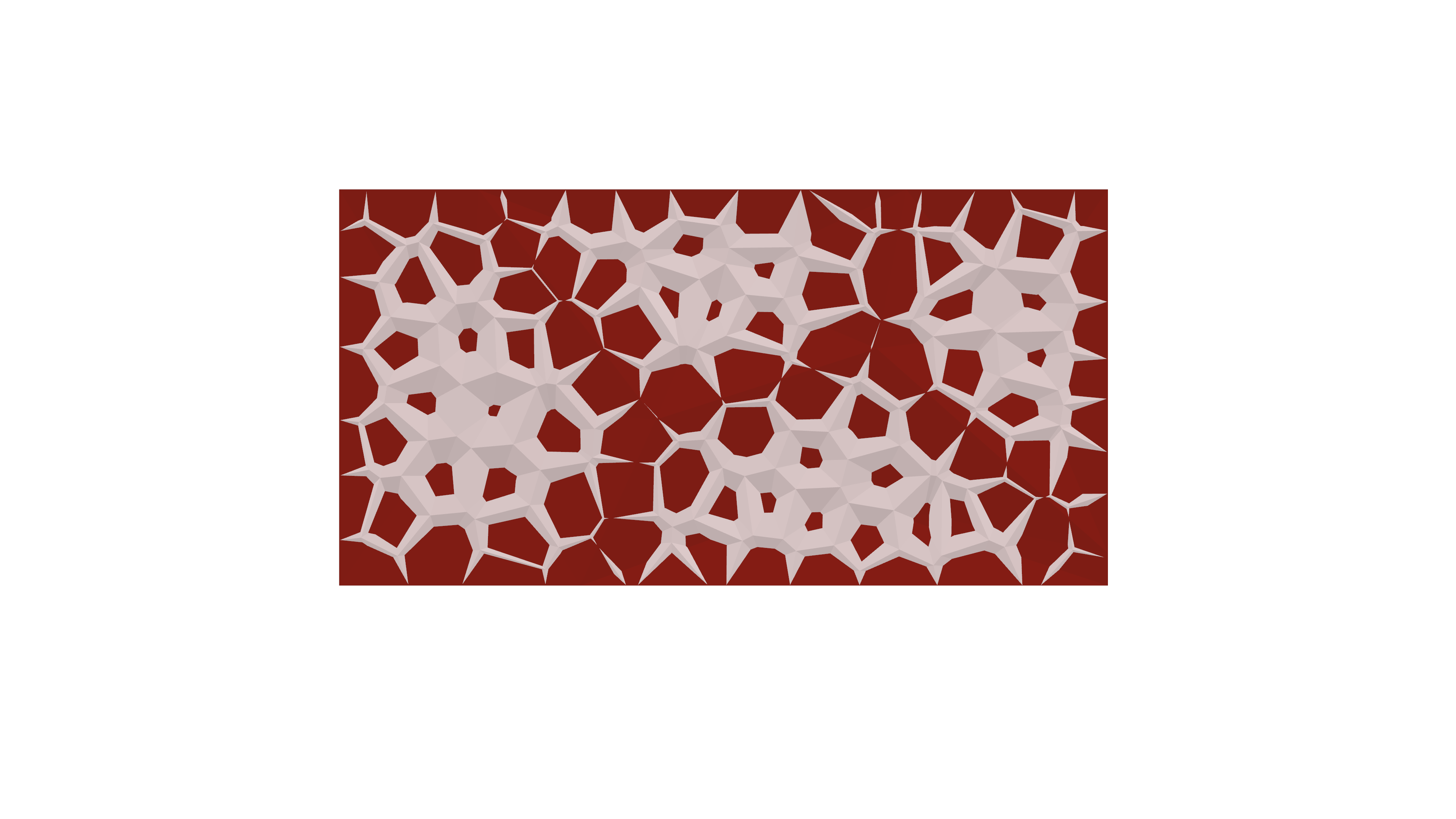
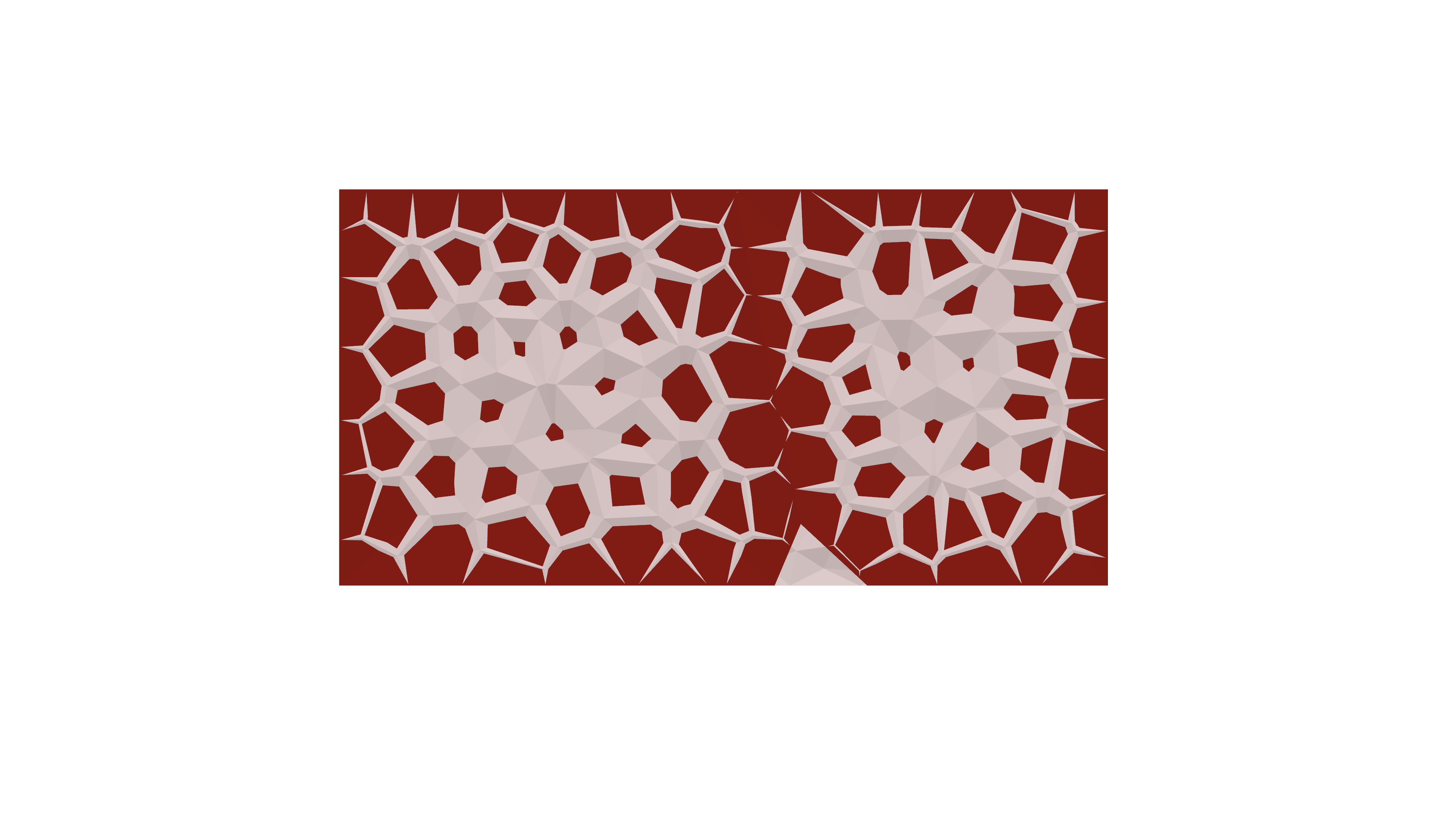
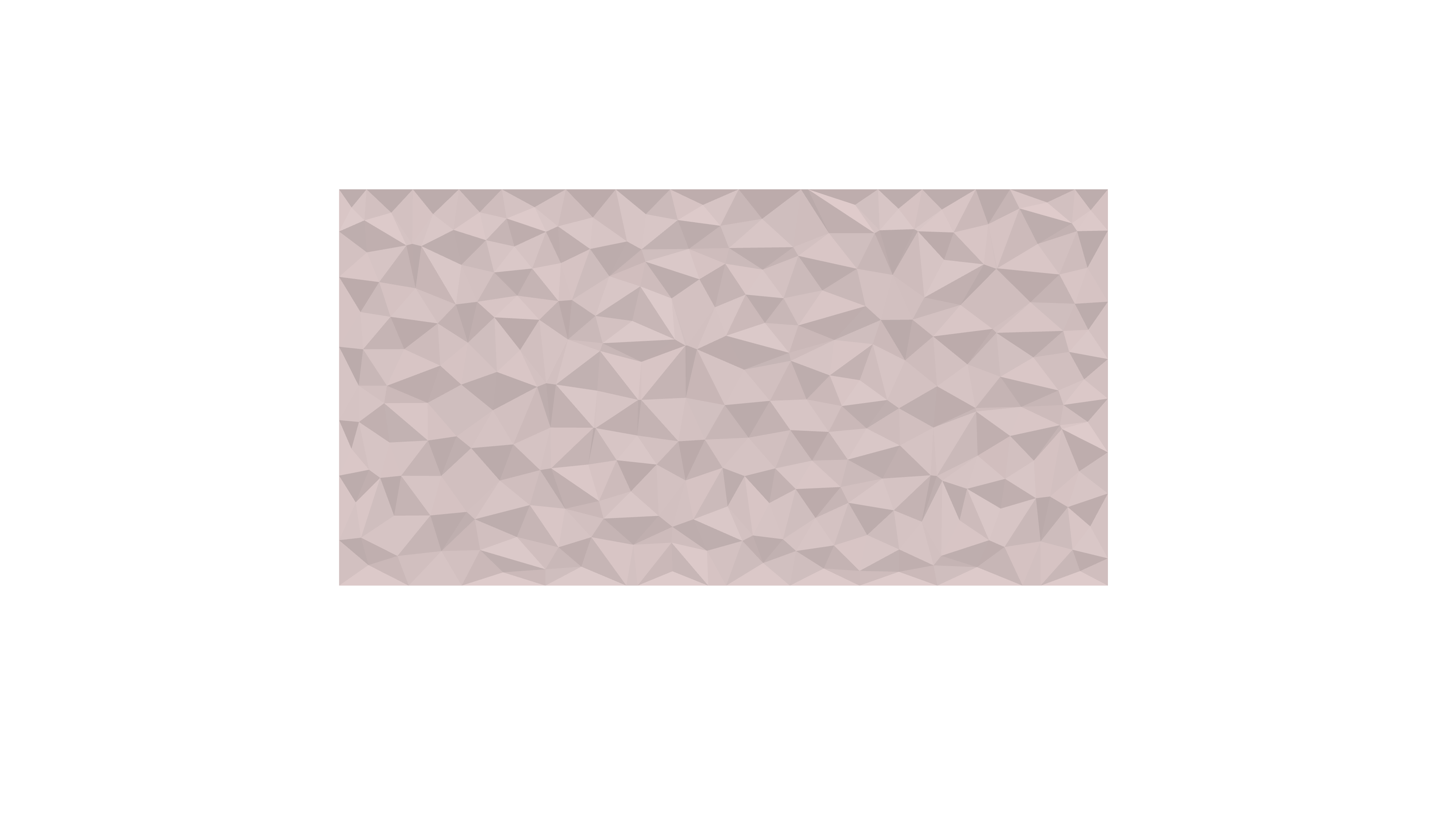
The followings are the steps that I took to reach the final product.
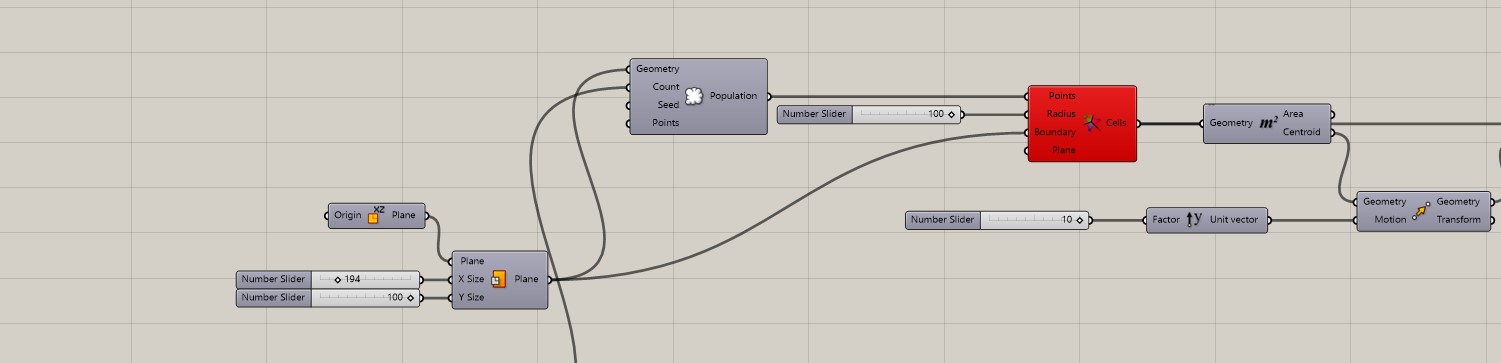
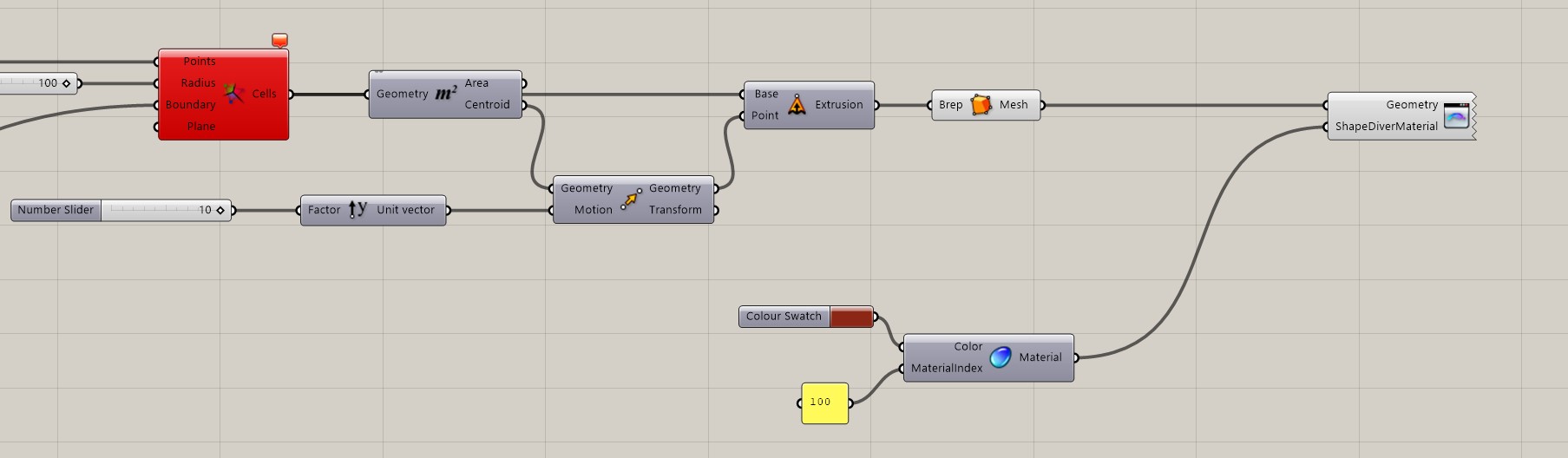


Grasshopper script
Shapediver QR code TWO DIFFERENT SHAPES

Rhino Image and Final product Image
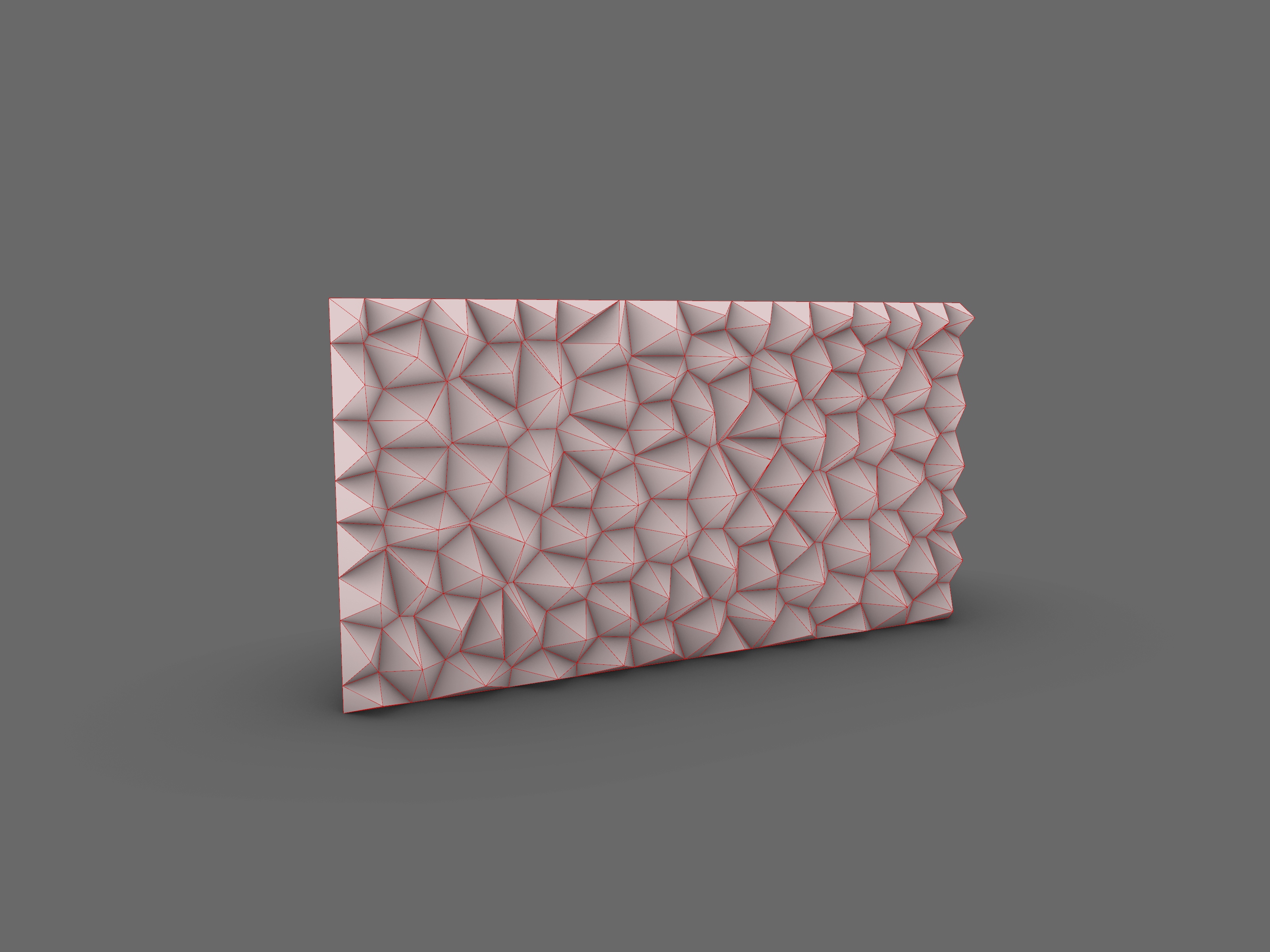
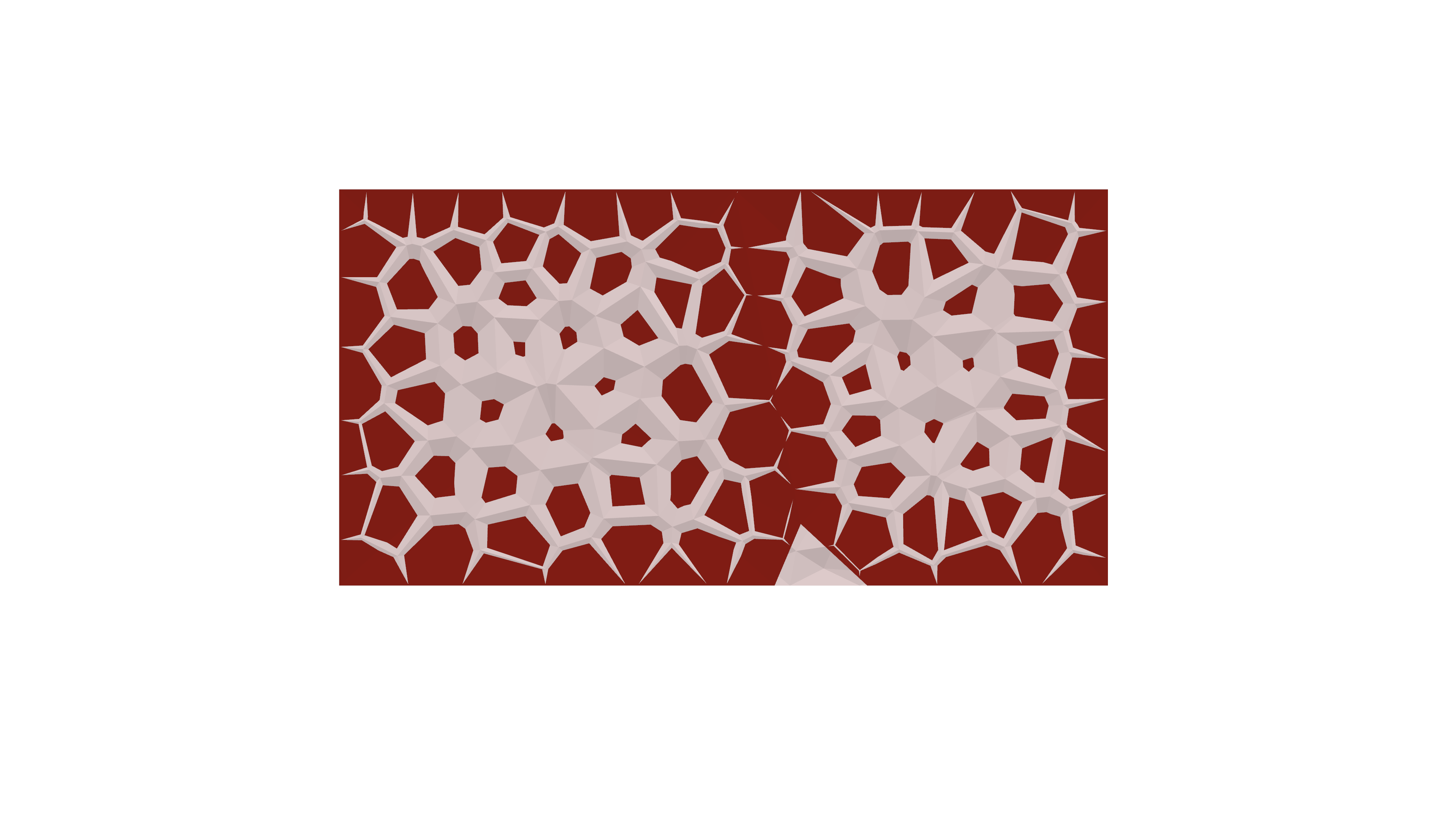
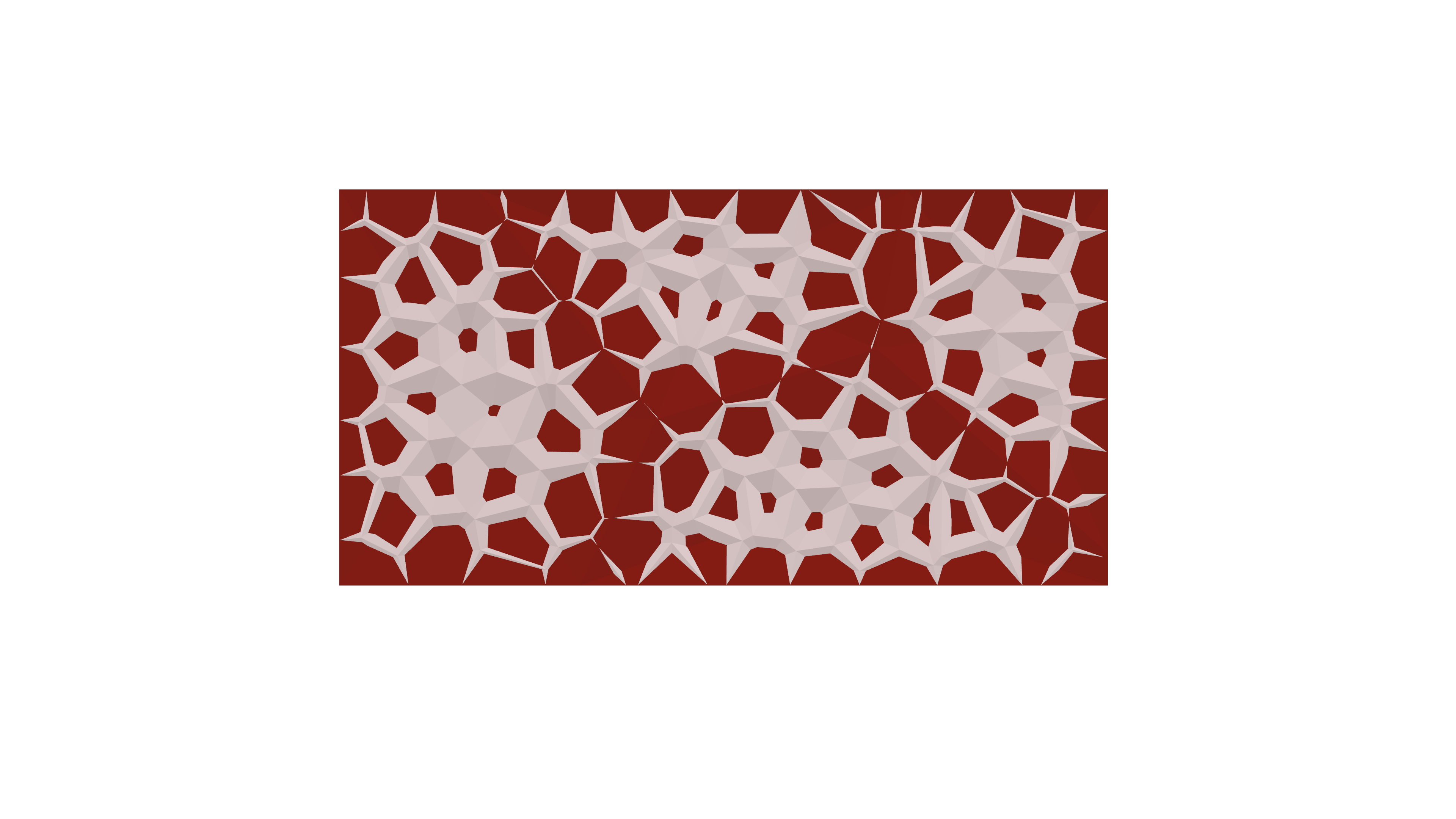
Thank you for tuning in! The script follows a straightforward progression, evolving from a basic grid to a more intricate shape. The fundamental concept here is that every intricate form originates from simple geometries. Stay tuned for upcoming updates, as another exciting project is on the horizon. the following are real life application.
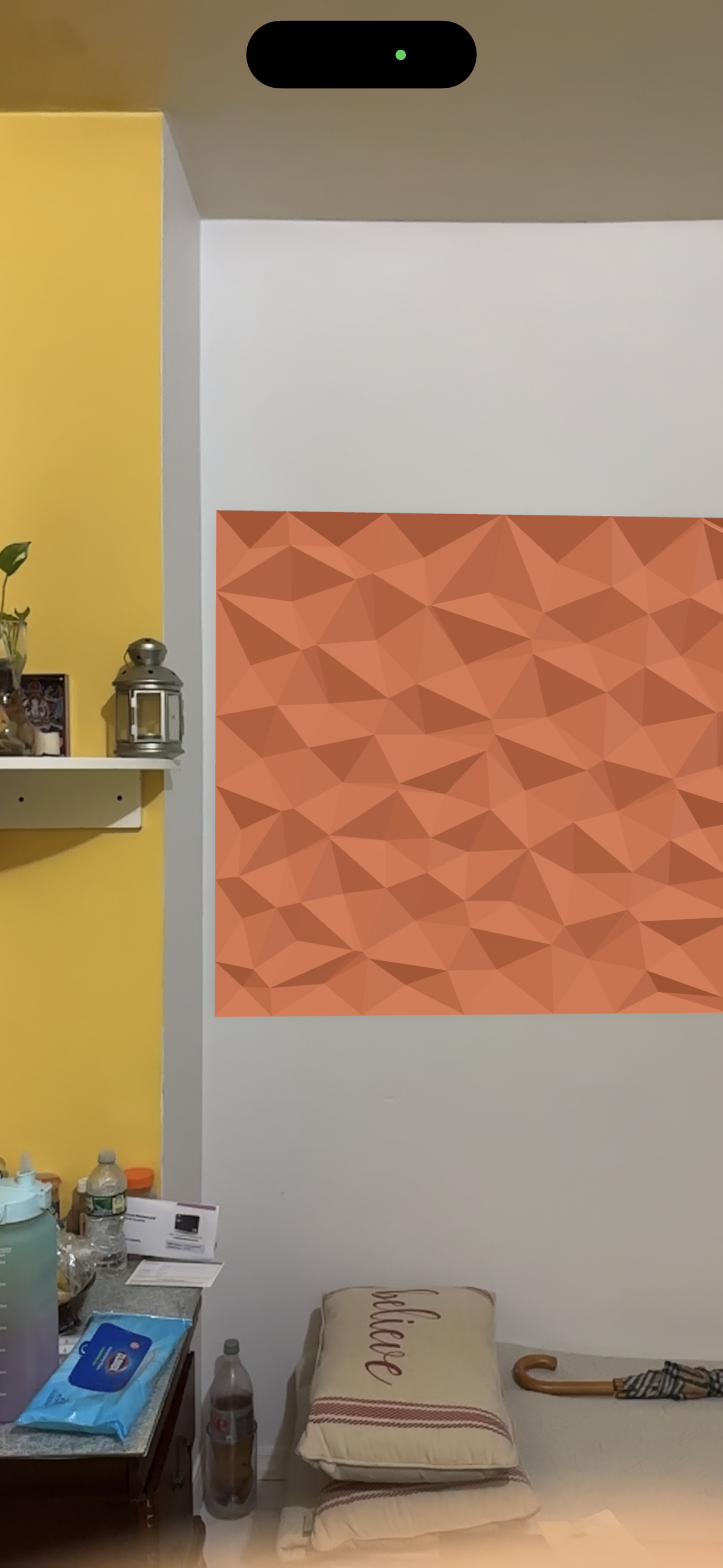
interior application
Project 1 for the Fall 2023 semester is 2D Patterning, and the full project brief can be found below. Enjoy!
https://docs.google.com/document/d/1d_0FgEXt7DHij8116wFYQuUfXgWzZcCGEphNpJdg3HQ/edit?usp=sharing
The first assignment of the Spring 2021 semester – 2D Patterning – can be found here:
https://docs.google.com/document/d/1G061Ibb5T2HJ8EsDCclGbOWEICvgvlzm4fYGtwEQpp8/edit?usp=sharing
The second project for the Fall 2019 semester – Free Standing, Form Found, Laser Cut – is here:
https://docs.google.com/document/d/1E0gljLT2f90RXfruAwFuNiYUyZSo6wgROZm28XXSoqY/edit?usp=sharing
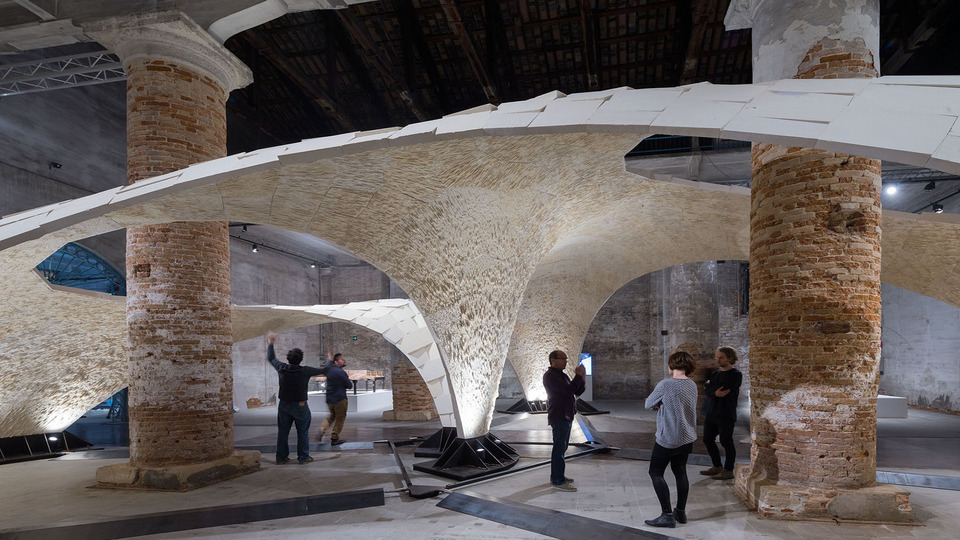
Free Standing, Form Found, Laser Cut is an in-depth investigation into full scale digital fabrication and parametric prototyping, and will force students to embrace an iterative approach using generative design techniques and workflows. Over the course of the project, students will master working with complex geometric data structures in Grasshopper, will become comfortable translating design models into digitally fabricated output, and will attempt to realize an ambitious project in a short time frame using experimental tools and workflows.
The first project for the Fall 2019 semester – 2D Patterning – is here:
https://docs.google.com/document/d/14PUT2zNgoYpTveGSrmiQrYdhnBzqC7gdm-WOJ8CpPLs/edit?usp=sharing
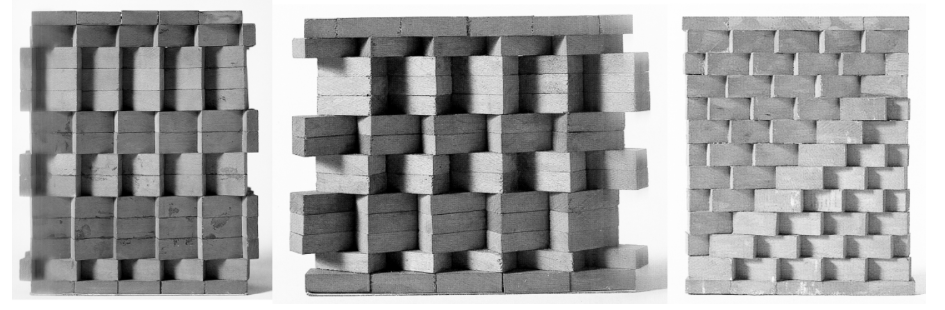
2D Patterning is a fast-paced introduction to parametric modeling in Grasshopper. Students will learn how to build interactive, algorithmic drawings. By limiting the design problem to the two dimensional plane and focusing on purely graphical content, students are allowed to develop basic computational modeling and generative design techniques in the abstract.
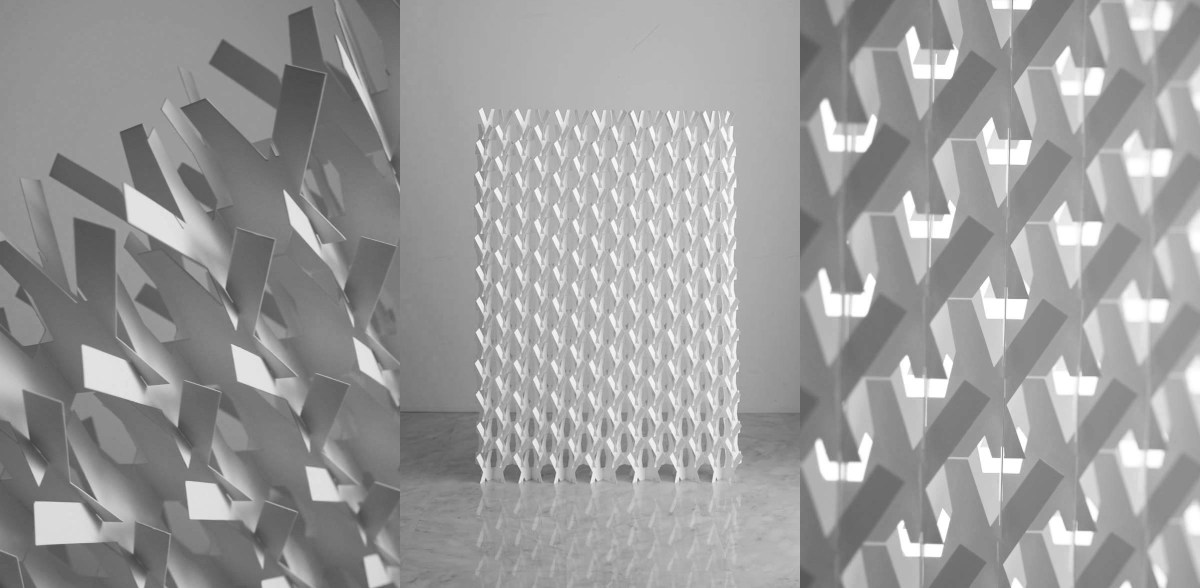
The final project for the Spring 2019 term – Privacy Screens for Kids – is available now. Hit the link between the paragraphs below. The assignment asks students to design a family of laser cut privacy screens for preschoolers, and to build 3 individuals at 1:4 scale.
https://docs.google.com/document/d/1qGLzZQmn6wz4DNb9bhPN4tR6mm_QwOc9aQlHR8eiQk4/edit?usp=sharing
Previously we’ve always built at full scale in the laser cutting projects. Or at least we’ve tried too, with a hit-or-miss sort of success record. I’m hopeful that the 1:4 scale will take some of the financial sting out of the projects, minimize catastrophic structural failures, and will force students to truly design in the plural form; you all must build three screens that work, not one screen that works.
The final project for the Fall 2018 semester is outlined in the Google document below. This is a variation of a project the class has done a few times before – free standing laser cut privacy screens made from chipboard. This time for kids! Also – no stacked blocks, egg crates, or voronoi based assembly systems this time around…
https://docs.google.com/document/d/1EnFc1AwskbQ2eicbNNQO4DESdP7DCMS-lmglQJQRIkE/edit?usp=sharing
 Parametrics
You must be logged in to post a comment.