
The first assignment of the Spring 2017 term, Product Families, can be found online here:
https://docs.google.com/document/d/1C1-m8GDAckF1VGYwLWH7gv9LXRBIaPNuQNaj8rObLe8/edit?usp=sharing
The first assignment of the Spring 2017 term, Product Families, can be found online here:
https://docs.google.com/document/d/1C1-m8GDAckF1VGYwLWH7gv9LXRBIaPNuQNaj8rObLe8/edit?usp=sharing
The syllabus for the Spring 2017 can be found online here:
https://docs.google.com/document/d/1CXsE4ZqvDDphvCkPc-WBjM5r6l1Aqm2GWtJqBI9gCrM/edit?usp=sharing
The schedule will probably shift around a bit as the semester unfolds, so please be sure to check back here for the most up to date information.


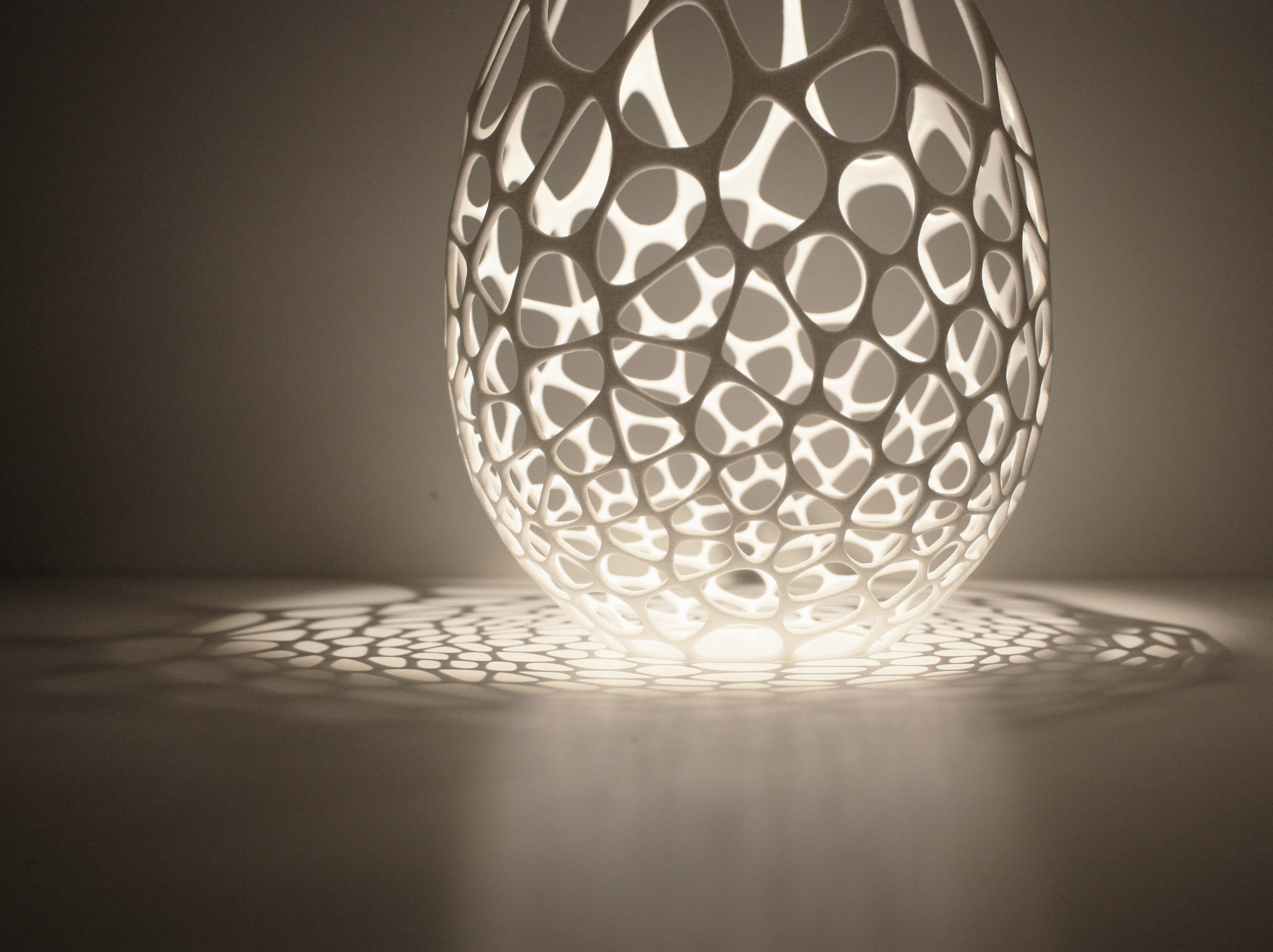


More photos of our Hexagon Hive screen showing different privacy levels at different angles:


Hey, I used what I learned from this class to do my thesis :) . Just want to share it.
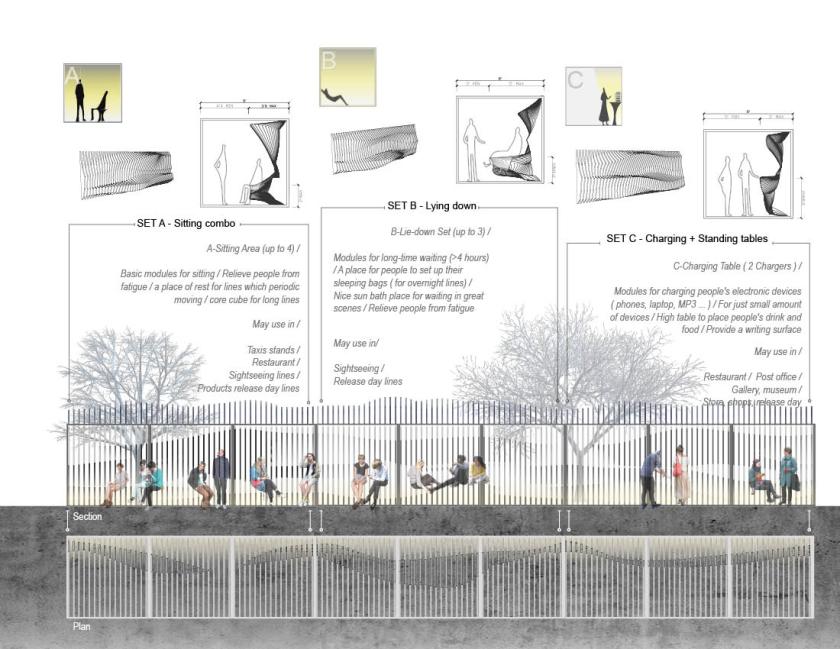
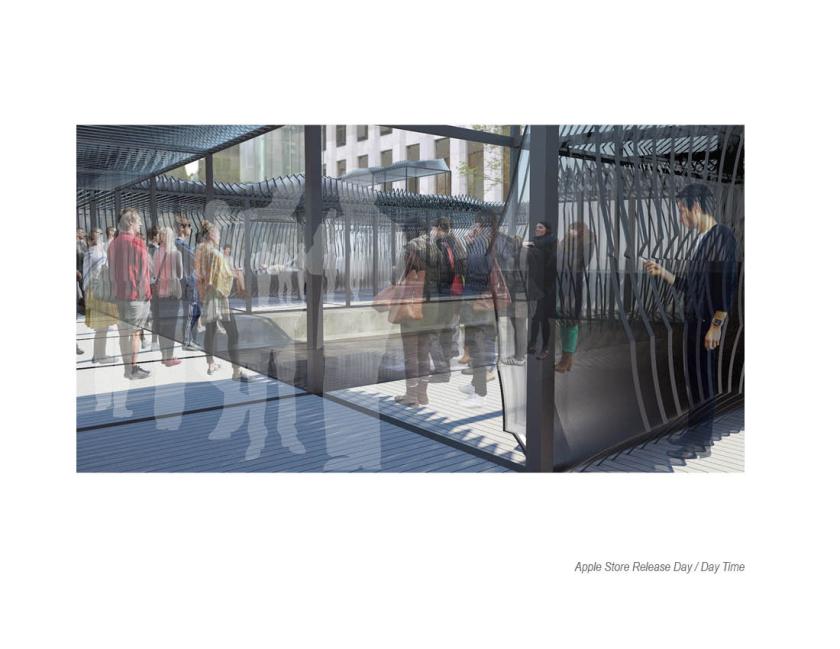
My thesis addresses people’s sense of time and explores interior design to reduce their negative feelings during the waiting process. I explore this through building a modular system made of changing materials, volumes of space and quality of light inside the module to blur people’s perception of time, invite them to get involved and distract them from waiting while functionally meeting their physical needs to increase their potential and patience for waiting. The module is designed to accommodate most line situations and to fit within a variety of street and sidewalk conditions in New York City.


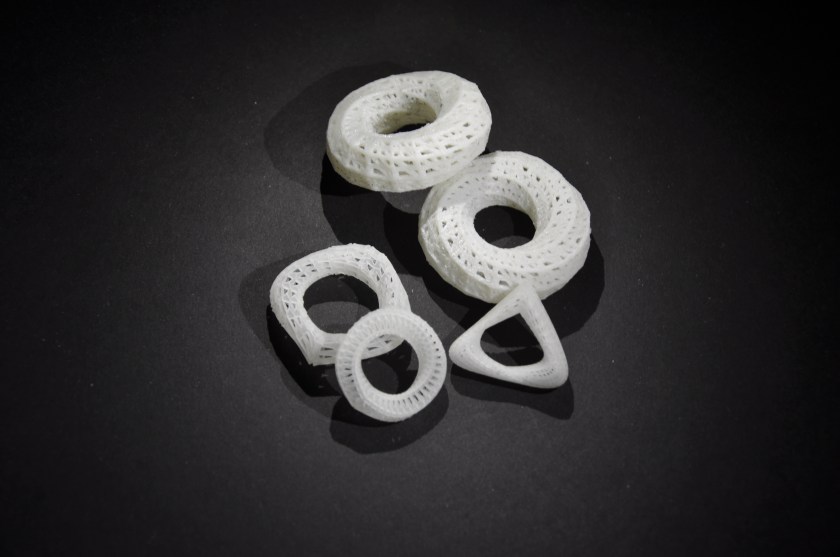


Napkin rings, Inspired by geometrical shapes.


Team Junyu Cao, Wanting She, Qiao Ding


Team Junyu Cao, Wanting She, Qiao Ding
The design of the privacy screen attempts to elaborate the process of fabrication and manufacturing. This concept can be traced back to the discussion of the computer-generated design, aka: Parametrics, versus human-hand-generated design. As a part of the requirement, we have to fabricate a full-scale privacy screen by hand after writing a Grasshopper definition. The combination of the two was read as the collaboration between computer and human-hands.
And to celebrate the harmony and contradictory, the design of the privacy screen intentionally shows the trace and marks during the fabrication. The size and thickness of the screen were determined by the accessible materials. The process of dividing chipboard was involved as well. Cracks at joint and relics of white glue and hot glue were kept. The opening on the side of the wall shows the interior structure of the wall and the taps that help gluing, while also helps our hands to go in and out during manufacture.
In addition to above, the design attempts to allow audience to perceive the screen in a more three-dimensional way; not only observe it from its back and front, from side to side, but also from top to the bottom. In order to achieve that, the inner triangle was tilted up, especially at the bottom rows, so that audience could observe the interior of the bottom from regular eye level.
 Parametrics
You must be logged in to post a comment.